National Workshop on Civil-Military Collaboration to Strengthen Health Emergency Preparedness in Georgia
Area of work
Global partners commit to advance evidence-based traditional, complementary and integrative medicine
AAR - Philippines 2023
COVID-19
Global Laboratory Leadership Programme
GLLP: Global Laboratory Leadership Programme
The programme, available for virtual or in-person implementation, is flexible in length, format, and content and may be adapted to meet country-specific workforce needs.
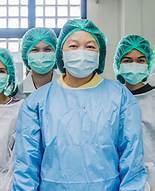
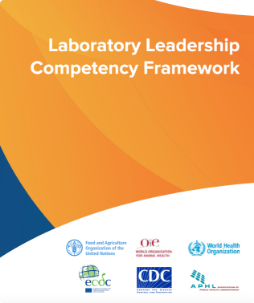
GLLP Learning Package
The GLLP course materials include four sections (Introduction, Laboratory Management, Laboratory Leadership, and Laboratory Systems) comprising 13 units and 43 modules, with over 200 contact hours' worth of materials, all with a strong One Health focus.
The GLLP Learning Package provides the materials necessary to implement programmes in any country or educational institution in the world and includes:
- GLLP Planning and Implementation Guide
- GLLP Mentorship Guide
- Virtual and in-person course materials including PowerPoint presentations and instructor and participant guides
Partners
To help ensure that laboratories can effectively play a critical role in the prevention, detection, and control of diseases, current and emerging laboratory leaders worldwide need specialized training in leadership and management.
Leading organizations partnered to develop the Global Laboratory Leadership Programme (GLLP) targeting human and animal health laboratories, as well as laboratories with public health impact (environmental, agricultural, food, or chemical laboratories).
The six partners enlisted the expertise of over 140 global experts in human and animal health and laboratory science for the development of the GLLP. The partners are committed to the programme’s vision of laboratory leaders empowering national laboratory systems across the globe using a One Health approach to strengthen health security.
ASSOCIATION OF PUBLIC HEALTH LABORATORIES
https://www.aphl.org/Pages/default.aspx
European Centre for Disease Prevention and Control

World Organisation for Animal Health
World Organisation for Animal Health
https://www.fao.org/animal-health/en/

Food and Agriculture Organization of the United Nations
https://www.fao.org/animal-health/en/
https://www.who.int/activities/strengthening-public-health-laboratory-s…
One Health
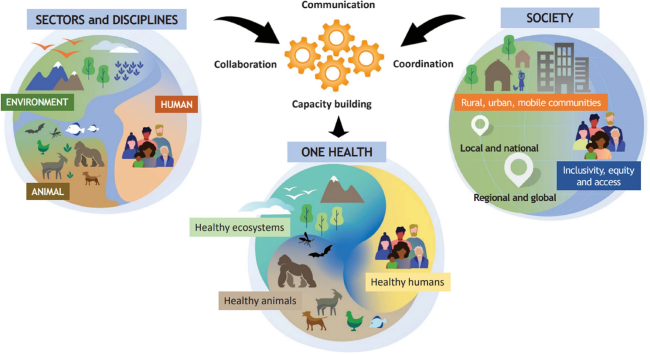
What is One Health?
There is no single, universally accepted definition of One Health. In 2023, the One Health High Level Expert Panel (OHHLEP) developed a definition of One Health, now widely adopted, as an integrated, unifying approach that aims to sustainably balance and optimize the health of people, animals and ecosystems. It recognizes the health of humans, domestic and wild animals, plants, and the wider environment (including ecosystems) are closely linked and interdependent.
In the context of the IHR Monitoring and Evaluation Framework, taking a One Health approach means including, from all relevant sectors, the national information, expertise, perspectives, and experience necessary to conduct the assessments, evaluations, reporting and preparedness activities.
Taking a Multisectoral, One Health Approach
A Tripartite Guide to Addressing Zoonotic Diseases in Countries
Every day we hear about health challenges at the human-animal-environment interface. Zoonotic diseases such as avian influenza, rabies, Ebola, and Rift Valley fever continue to have major impacts on health, livelihoods, and economies. These health threats cannot be effectively addressed by one sector alone. Multidisciplinary and multisectoral collaboration is needed to tackle them and to reduce their impacts.
As a way to support countries in taking a One Health approach to address zoonotic diseases, the guide: “Taking a Multisectoral, One Health Approach: A Tripartite Guide to Addressing Zoonotic Diseases in Countries” has been jointly developed by the Tripartite organizations (FAO, WHO, and WOAH). This Guide, referred to as the Tripartite Zoonoses Guide (TZG) is flexible enough to be used for other health threats at the human-animal-environment interface; for example, food safety and antimicrobial resistance (AMR).
The TZG provides principles, best practices and options to assist countries in achieving sustainable and functional collaboration at the human-animal-environment interface. Examples and lessons learned from countries experiences are also included. By using the TZG and its associated operational tools, countries can build or strengthen their national capacities in the image above:
National Bridging Workshops (NBW)
The WHO International Health Regulations (IHR) (2005) and OIE Performance of Veterinary Services (PVS) assess and support the human and animal health systems, respectively, but coordination across the two sectors remains challenging in many country settings.
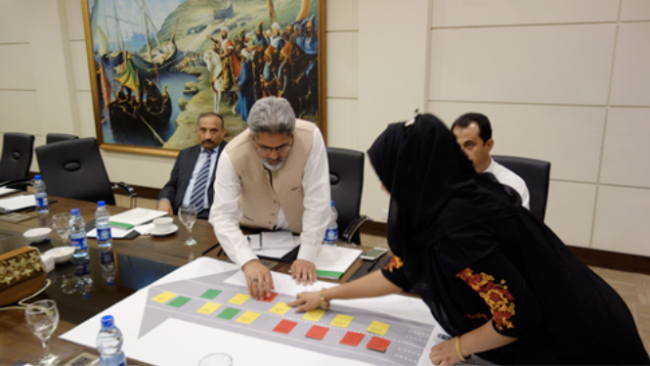
The IHR-PVS National Bridging Workshops bring together actors from both sectors and present a structured, guided methodology, allowing participants to collectively identify barriers to synergy and existing gaps in collaboration. Corrective measures are identified to form a road-map to improve the collaboration between the two sectors in the prevention, detection and response to zoonotic disease outbreaks and other health issues at the interface between humans and animals. For more information, please visit the IHR-PVS National Bridging Workshop page.
The WHO International Health Regulations (IHR) (2005) and OIE Performance of Veterinary Services (PVS) assess and support the human and animal health systems, respectively, but coordination across the two sectors remains challenging in many country settings.
The IHR-PVS National Bridging Workshops bring together actors from both sectors and present a structured, guided methodology, allowing participants to collectively identify barriers to synergy and existing gaps in collaboration. Corrective measures are identified to form a road-map to improve the collaboration between the two sectors in the prevention, detection and response to zoonotic disease outbreaks and other health issues at the interface between humans and animals. For more information, please visit the IHR-PVS National Bridging Workshop page.
World Organization for Animal Health (WOAH) PVS Pathway
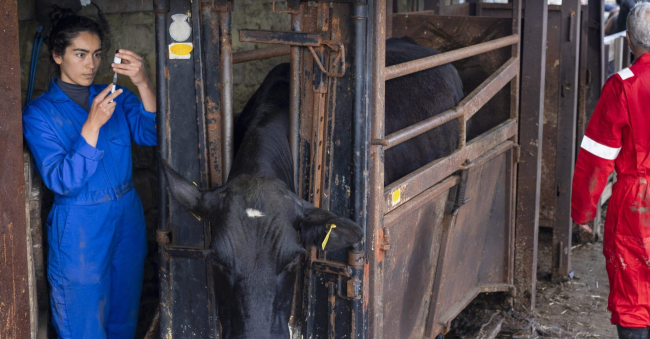
The World Organisation for Animal Health (founded as OIE)'s mission is to improve animal health and welfare worldwide. Indeed, animals and animal health systems play a vital role in food security, nutrition, as well as the economic and social wellbeing of humanity. Securing animal health is key to preventing zoonotic diseases and emerging infectious diseases affecting humans, 75% of which are of animal origin. Recognising this, WOAH has developed international standards on both the quality of Veterinary Services’ provision, as well as technical animal health and veterinary public health management. Two Chapters (3.1 and 3.2) of the WOAH Terrestrial Animal Health Code are dedicated to the Quality of Veterinary Services.
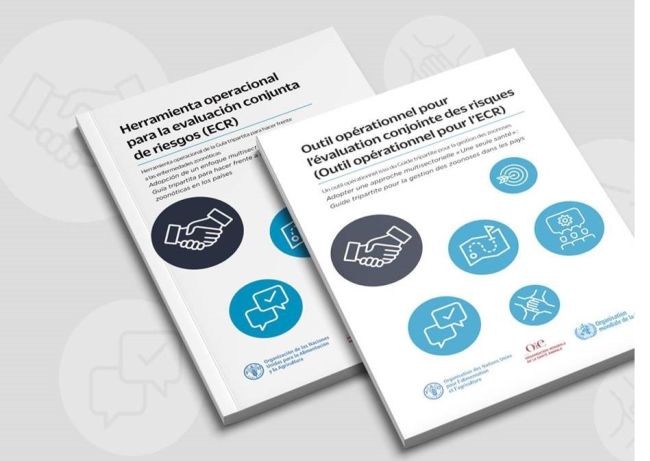
Joint Risk Assessment (JRA)
The Joint Risk Assessment Operational Tool (JRA OT) has been developed by the Tripartite organizations (FAO, WHO, and WOAH) and technical experts to provide guidance on how to set up a joint risk assessment process at national level. While it describes step-by-step how to conduct each component of the process, it also provides supporting documents and templates to facilitate its implementation by staff from national ministries responsible for management of zoonotic diseases.
Resource Mapping (REMAP) Training of Trainers Workshop
Date
2023-11-29 - 2023-12-01