Adding life to years
Text size:
-+=

Summary

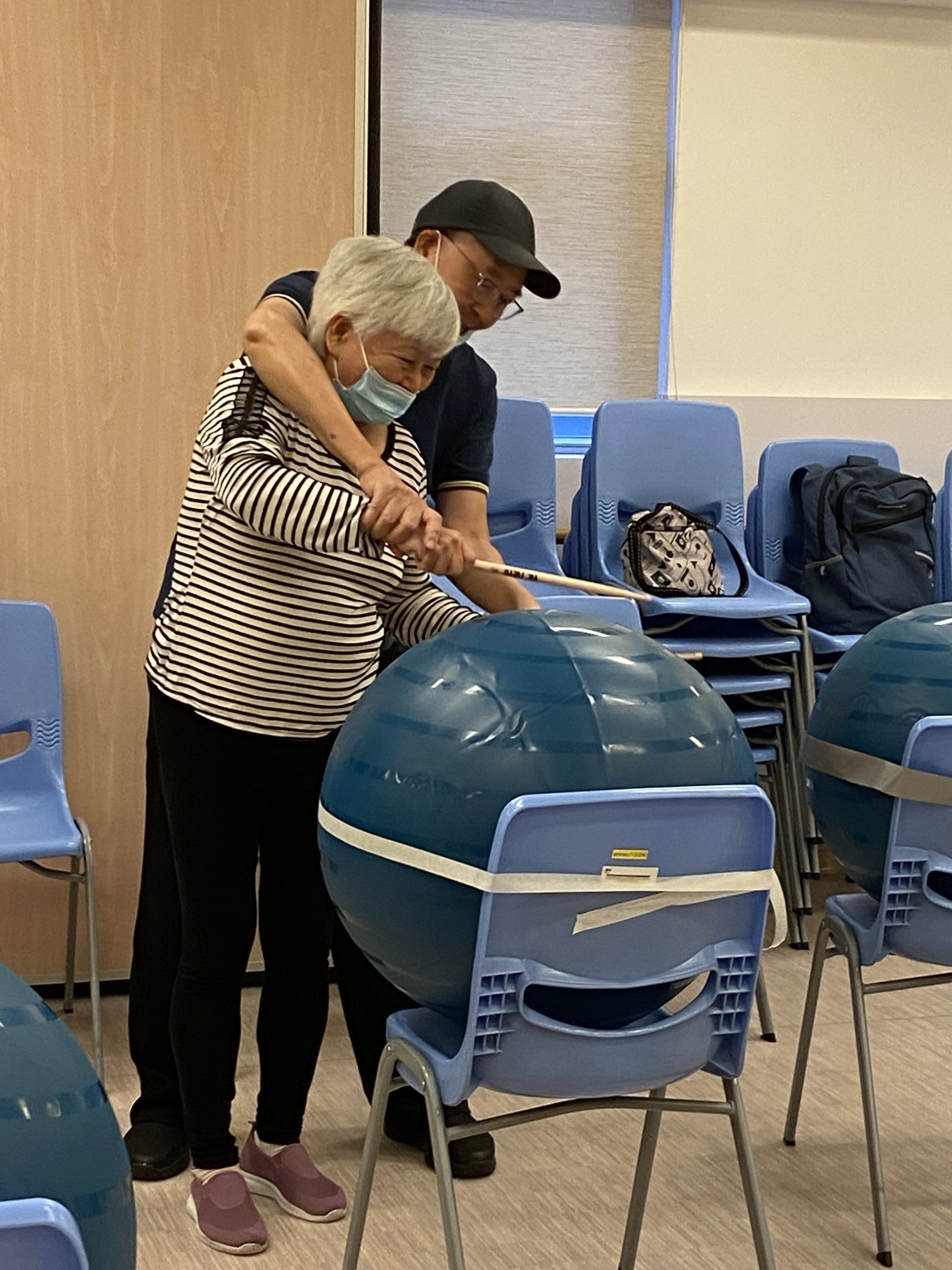
The project aims to enhance social participation, respect, and inclusion for older adults  with dementia through a multifaceted approach involving African drums, fitball drumming, and horticultural therapy.

Key activities focused on addressing cognitive impairment and negative emotions included:
– Engaging activities to stimulate cognitive function and improve mood.
– Using African drums and fitball drumming to enhance coordination and promote a sense of accomplishment.
– Activities designed to ensure success, boosting self-confidence and satisfaction.

Additionally, the project raised public awareness about dementia by setting up informational counters, organising interactive games, and educating the community about its forms and warning signs.

Outcomes showed a positive impact on social inclusion and well-being for participants. The supportive environment fostered self-confidence, while awareness campaigns helped change misconceptions and reduce stigma surrounding dementia.

This project illustrates how combining therapeutic activities with public awareness efforts can improve the lives of older adults with dementia and promote a more inclusive society.

Key facts

Main target group: Older people with chronic health conditions or disability

Other target group(s): Caregivers.

Sector(s): Education, Health, Long-term care

Other sector(s): Local communities.

Desired outcome for older people:
Learn, grow and make decisions

Other issues the Age-friendly practice aims to address:
  • Dementia

Contact details

Name:

Email address: cwdc_secretariat_gr@had.gov.hk


Age-friendly practice in detail (click to expand):

Engaging the wider community

Project lead: Older People’s Association

Others involved in the project:
  • Social or health care provider
  • Private sector

How collaboration worked: Horticultural therapists – Utilise horticulture-based interventions to support individuals with dementia. The programmes they design often incorporate a diverse array of plants to stimulate the “five senses” of the older adults with dementia. By engaging their senses of sight, smell, touch, taste, and sound, these interventions help stimulate the frontal lobe, encouraging learning, decision-making, and the acquisition of new skills. – The use of familiar plants and decorations with a variety of colors, fragrances, heights, and textures further encourage individuals with dementia to interact more actively with natural elements. This sensory-rich environment can foster a sense of comfort, familiarity, and engagement, which are particularly beneficial for individuals with dementia. Music therapists and Djembe Drum – Incorporate the use of the Djembe drum, a West African hand drum, in their work with individuals with dementia. The combination of music and body movement allows the participants to follow the rhythm and tempo of the music, which help them express their feelings and ideas both verbally and non-verbally. – This approach is advantageous because it does not require the participants to worry about correct ways of playing. In their daily lives, individuals with dementia may frequently experience feelings of rejection and failure. However, the music therapy program provides a safe and accepting environment, allowing them to engage in a positive and affirming experience. This help increase their self-esteem and sense of well-being.

Older people’s involvement: Older people helped to implement the age-friendly practice

Details on older people’s involvement: Horticultural therapy, music therapy with Djembe drums, and physical exercises benefit the elderly, especially those with dementia, by stimulating their senses and promoting physical and cognitive engagement. These holistic approaches foster a sense of accomplishment and community integration, helping older adults maintain independence and enhance their overall well-being and quality of life.

Moving forward

Has the impact of this age-friendly practice been analysed: No

Do you plan to evaluate your age-friendly practice? Yes

Feedback:
We recruit older adult volunteers to assist at the street counter. This not only unleashes the potential of older adults, but also can awaken the public’s awareness that older adults still may contribute to society. For example, older adult volunteers still participate in a variety of volunteer services. The street counter has successfully recruited young volunteers to join the centers, which can promote cross-generational integration.

Looking back

Reflections:
Due to the misconceptions that many members of the public have towards older adults and even those with cognitive impairments, this street counter has had positive experiences in promoting awareness on this issue. Therefore, it has inspired us that, in addition to the street counter, we can also conduct promotional efforts or collaborative activities in local schools, including kindergartens, primary schools, and secondary schools. We can educate students and their parents about the capabilities of older adults and the proper knowledge of cognitive impairment disorders, in order to build a more age-friendly community.

Challenges:
Many older adults hold the mistaken beliefs that “older adults are useless” and “people with dementia are a burden.” Older adults and those with dementia often face “failure and under appreciation.” This leads them, as well as their families, to withdraw from society. By promoting age-friendly approaches, older adults and their families can learn about care centres that offer activities to help older adults stay engaged in society. Older adults still have abilities to contribute to society.