

Training Workshops for Hotel Staff to Develop Skills in Dealing with Older Adults
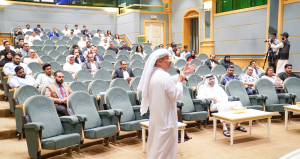
Sharjah Social Services Department, represented by Sharjah Age-Friendly Program, in collaboration with Sharjah Commerce and Tourism Development Authority, has launched a series of training workshops specifically designed for hotel staff. These workshops aim to enhance their skills in dealing with older adults. Held at the Sharjah Cultural Palace, the sessions witnessed a wide turnout from the hospitality sector.
The workshops were organized by the Social Education Department and the Sharjah Age-Friendly Program, affiliated with the Office of Age-Friendly Quality and Health Services. A number of workshops will be conducted in both Arabic and English to ensure the intended impact is achieved.
As explained by Asma Al-Khodari, Director of the Office of Age-Friendly Quality and Health Services, these workshops fall within the efforts of the Age-Friendly Cities Office, which supports Sharjah’s membership in the Global Network for Age-Friendly Cities and Communities. They further solidify Sharjah’s position as an age-friendly city.
The workshops aim to raise awareness and readiness among hospitality staff, helping them improve their performance and skills in interacting with senior guests. This aligns with Sharjah’s broader vision of creating an inclusive environment that enhances the quality of life for all segments of society and encourages older adults to visit Sharjah for its high-quality services and exceptional tourism offerings.
Naama Al-Zarouni, Director of the Social Education Department, highlighted that caring for older adults is one of the most profound human and ethical experiences. She emphasized that understanding the right approach to communicate and interact with them is what makes this experience more positive and manageable. She added that helping others is one of the key secrets to personal happiness and inner satisfaction.
Al-Zarouni noted that while the department is accustomed to offering specialized workshops on how to deal with older adults, this is the first time such training is tailored for hotel staff. This step is expected to encourage older adults to visit hotels with greater confidence and without feeling uncomfortable or embarrassed.
These workshops will be delivered in both Arabic and English and will follow a structured schedule, including interactive exercises and competitions to enhance participants’ knowledge and awareness.
Among the key takeaways for hotel staff is the importance of recognizing and addressing the specific needs of older adults. This includes approaching them differently than other guests—with empathy, kindness, patience, and compassion—similar to how one communicates gently with a child. Simplifying information, raising awareness about potential risks, and building a relationship of trust are all essential in ensuring a safe and positive hotel experience for seniors.
Al-Zarouni further pointed out that aging is a natural and inevitable part of life, where a person grows alongside their experiences. She stressed that interacting with older adults must be grounded in respect and appreciation. However, some may overlook essential elements that improve communication with them.
She also emphasized that helping others benefits the helper before anyone else—whether through moral rewards or the development of their human values. Additionally, she highlighted that seniors deserve honor and respect, as they hold a revered place in society. Islam places great importance on caring for older adults, making it a source of goodness and blessing.
She praised the UAE’s efforts in this field, including the implementation of supportive legislation such as the Senior Citizens’ Rights Law, which aims to protect and promote the rights of older adults and ensure they enjoy a dignified life. Seniors are viewed as a foundational part of the country’s social, cultural, and religious fabric.