

“Sharjah Social Services” organizes a panel discussion titled “Memory of a Community” to shed light on Alzheimer’s disease
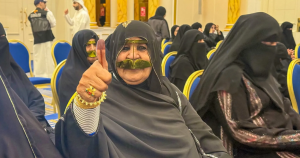
The Sharjah Social Services Department organized a panel discussion titled “Memory of a Community”, held in conjunction with World Alzheimer’s Day, which falls on September 21 each year. The event was attended by a distinguished group of specialists including doctors, psychologists, social workers, elderly caregivers, and representatives of health and social institutions. The objective was to enhance community awareness on elderly issues and to highlight their role in preserving human values, cultural heritage, and national identity.
The session began with the national anthem, followed by an opening speech that emphasized the high status enjoyed by the elderly in the United Arab Emirates. They were described as the living memory of society, the guardians of values and ethics, and role models for younger generations in giving, belonging, and reinforcing family and social bonds.
The session, held at the Oceanic Resort in Khorfakkan, featured important discussions on elderly issues from social, health, psychological, and technological perspectives. It reaffirmed the role of seniors as exemplary figures for the coming generations. The dialogue also addressed Alzheimer’s disease, its definition, symptoms, types, groups most at risk, and the importance of early diagnosis and regular screening. Discussions further explored the psychological and health changes experienced by patients, the importance of community awareness to build an age-friendly environment, current treatments, challenges faced by families in caring for elderly Alzheimer’s patients, and ways to support caregivers in improving patients’ quality of life.
At the outset of the session, Kholoud Abdullah Al Ali, Director of the Elderly Services Center at the Social Services Department, highlighted the Department’s significant efforts through its programs and initiatives dedicated to the elderly. She stressed that these play an effective role in alleviating the impact of Alzheimer’s disease and in enhancing the quality of life of older adults. Among the most notable initiatives is the “Al-Musayyaf” program, dedicated to seniors, which is distinctive for involving the elderly themselves in delivering the program. This strengthens their productivity and builds their self-confidence. She emphasized that seniors play a pivotal role in transmitting experience to younger generations and in preserving traditions and cultural heritage, considering them the living memory of society and a fundamental pillar in sustaining its values and identity.
Rich Discussions and Specialized Insights
Dr. Hamad Al-Sinawi, President of the Oman Alzheimer’s Society, discussed Alzheimer’s disease from various aspects, explaining its causes, symptoms, and psychological and social impacts on patients and their families, as well as the strong link between aging and the increased risk of developing the disease. He stressed the importance of early diagnosis through monitoring initial signs and conducting regular examinations, in addition to the central role of community awareness in improving patients’ quality of life and supporting their families. He pointed out that one of the most painful changes caused by Alzheimer’s is the gradual loss of names, faces, and even recognition of places, as patients eventually lose their ability to speak and express their emotions in words. He explained that science classifies human memory into two types: cognitive memory, which stores names, dates, and skills; and emotional memory, which retains the imprints of feelings associated with life experiences. This explains why emotions and reactions can remain even in the advanced stages of the disease.
Dr. Essam Samaha, psychiatric expert at the Social Services Department, addressed the psychological and health changes accompanying Alzheimer’s disease, stressing the importance of building an age-friendly and supportive environment that enables elderly patients to feel safe and integrated into society. He reviewed the most prominent treatments currently available, including medications, behavioral therapies, and clinical trials, emphasizing the need to integrate these with psychological and social support programs to ensure comprehensive and balanced care. He also provided practical advice to help prevent or reduce the effects of the disease, most notably adhering to a healthy lifestyle and engaging in daily activities, which play a significant role in enhancing cognitive abilities and maintaining seniors’ health for as long as possible.
Challenges and Technological Innovations
In the same context, Dr. Mohamed Hosny, Head of the Alzheimer’s Department at Khorfakkan Hospital, discussed the major challenges families face in caring for Alzheimer’s patients. He explained that these challenges go beyond medical issues to include psychological, social, and economic burdens borne by families providing daily care. He stressed the urgent need to provide specialized training programs for caregivers to equip them with the knowledge and skills required to deal with patients’ changing needs and to help them cope with the psychological pressures resulting from the nature of the disease and its increasing demands. Dr. Hosny linked these efforts with a series of recommendations for families, stressing the importance of combining technology with direct human care, ensuring a safe and supportive environment for patients, and encouraging families to balance health, psychological, and social care to stabilize patients’ conditions and improve their quality of life as much as possible.
Continuing Efforts
On this occasion, Maryam Nasser Al-Suwaidi, Director of the Khorfakkan branch of the Social Services Department, affirmed that organizing this event is part of the continuing efforts to provide the best services for the elderly. She noted that the Department always strives to enhance its role as an entity dedicated to serving various community groups, particularly seniors, who represent the living memory of both past and present. She pointed out that the session’s theme, “Memory of a Community”, emphasizes the importance of this cherished group. Al-Suwaidi expressed gratitude to the participants, institutions, and partner entities for their support and contributions to the success of the event, confirming the Department’s aspiration to make use of the recommendations to further improve elderly services and ensure them a dignified and secure life.
Unified Institutional Efforts
The session concluded with a set of recommendations, most notably the necessity of cooperation between health and social institutions to provide comprehensive and integrated services for the elderly, the importance of expanding community awareness campaigns on age-related diseases, and the encouragement of initiatives that help integrate seniors into social and cultural activities while ensuring their continued role in passing down knowledge and values to younger generations.
Participants emphasized that caring for the elderly is not limited to providing healthcare alone, but also includes empowering them to continue contributing and maintaining their vital role in society. This, in turn, strengthens social cohesion and preserves the national and human identity of the UAE.