Adding life to years
Text size:
-+=

Transformative Impact of the Micro-jobs Programme


Transformative Impact of the Micro-jobs Programme

Status: Ongoing

Evaluated

Singapore Singapore
Print this page City population: 1200098% over 60Practice started in 2023

Summary

The Micro-jobs programme, launched as a pilot at THK AAC @ Bedok in January 2023, represents a pioneering initiative in Singapore aimed at fostering social integration and alleviating social isolation risks among older adults. With projections indicating a significant demographic shift towards an aging population, strategic emphasis has been placed on active aging within Singapore’s Healthier SG strategy. Micro-jobs was started with the intention of being a social driver to better community health outcomes. The collaborative efforts of the Agency for Integrated Care (AIC), Centre for Seniors (CFS), and Thye Hua Kwan Moral Charities (THKMC) have culminated in the development of a comprehensive micro-jobs programme, addressing older adults’ needs through job restructuring and de-medicalization.

Website: https://www.thkmc.org.sg/for-the-seniors/

Key facts

Main target group: Older people in general

Other target group(s): Nil

Sector(s): Other

Other sector(s): General older adult population in Singapore

Desired outcome for older people:
Contribute

Other issues the Age-friendly practice aims to address:
  • Participation

Contact details

Name: Lee, Andy

Email address: andylee@thkmc.org.sg

Preferred language(s): English

Age-friendly practice in detail (click to expand):

Engaging the wider community

Project lead: Social or health care provider

Others involved in the project:
  • Social or health care provider

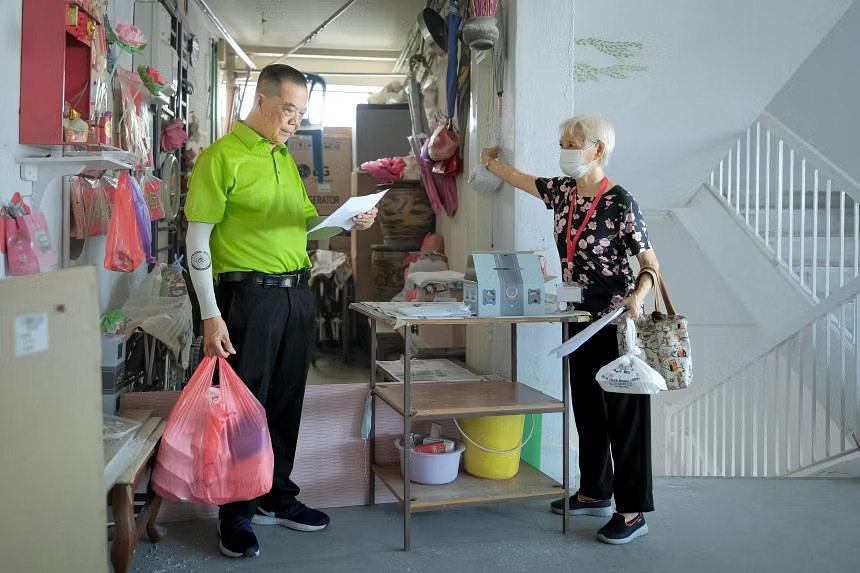
How collaboration worked: a) Requirements The Micro-Jobs initiative aligns with Singapore’s Healthier SG strategy by engaging healthy older adults to support frailer peers within their community. Trained older adults will handle tasks like meal delivery and medication reminders, tailored to the needs of the older adult population. This approach enhances Active Ageing Centres (AACs) by adding an extra layer of community-based care, promoting active aging and sustainability. b) Design Previously, AAC staff managed a broad range of responsibilities, including personalized care, which was challenging due to high workloads. The introduction of micro-jobbers for basic tasks, such as meal delivery and medication reminders, reduces the staff’s burden. This shift allows AAC staff to focus on more complex care needs, improving service efficiency and care quality. c) Implementation Micro-jobbers are integrated into AACs to handle simplified tasks, such as meal delivery and medication reminders, which were previously managed by the staff. The Centre for Seniors (CFS) trains these micro-jobbers to run active aging programs, promoting a “Seniors helping seniors” model and enhancing community support. d) Verification and Testing The Agency for Integrated Care (AIC) supports this initiative under the ‘Hold’ component, aligning with Healthier SG objectives. With over 116 older adults participating, THK and CFS ensures proper training for micro-jobbers while AIC aligns policies with broader care strategies. The initiative demonstrates successful community engagement and proactive care. e) Deployment and Maintenance Launched in January 2023, the micro-jobs program quickly gained traction, leading to over 22,000 tasks completed by July 2023. The official launch in August 2023, with Deputy Minister Heng Swee Keat, further boosted participation. By October 2023, task completion surged to over 30,000, showing a 222% increase in monthly tasks. This growth highlights the program’s success in community engagement and empowerment. – Output Micro-jobbers benefit from staying physically active and socially engaged, reducing feelings of loneliness. Their roles also provide a source of income, offering a phased retirement transition. By taking on responsibilities like meal delivery and medication reminders, micro-jobbers enhance AAC efficiency and allow staff to focus on personalized care, improving overall service quality.

Older people’s involvement: Older people were involved in the age-friendly practice at multiple or all stages

Details on older people’s involvement: In age-friendly practices, older people as micro-jobbers actively contribute by handling tasks like meal delivery and medication reminders, thereby supporting their peers and enhancing service capacity. Their engagement not only fosters financial independence but also leverages their experience to address the growing need for care, promoting a more inclusive and collaborative community. Seniors also plays an important role in the community giving them sense of contribution/belonging.

Moving forward

Has the impact of this age-friendly practice been analysed: Yes

Was the impact positive or negative:
Positive

Please share with us what you found in detail:
The programme’s success is evident not only in individual stories but also in its influence on national healthcare policy. The expansion of micro-jobs to various Active Ageing Centres (AACs) and its inclusion in the Ministry of Health’s recent tender specifications underscore its growing significance in Singapore’s care landscape. This broad adoption and recognition reflect the programme’s effectiveness and its pivotal role in shaping the future of community-based care.

Evaluation report: WHO-MJ.pdf

Feedback:
The implementation of the micro-jobs programme has clearly had a transformative impact on older adults, enhancing their ability to age with dignity and fulfilment. By engaging older adults in meaningful tasks and offering rewards for their contributions, the programme fosters a strong sense of purpose and satisfaction, even after retirement. Mdm. Fatimah, a mico-jobber’s experience with the programme at Bedok AAC highlights its impact on older adults. Her active involvement in tasks such as meal deliveries and medication reminders not only keep her physically engaged but also fosters meaningful community connections. Fatimah’s testimony about the fulfilment she derives from her role demonstrates how the programme provides older adults a renewed sense of purpose and achievement. Her story is a compelling example of how micro-job roles help older adults maintain an active lifestyle and feel valued within their community, underscoring the programme’s effectiveness in enhancing their overall well-being.

Expansion plans:
The micro-job initiative’s expansion across all 17 centers and successful integration with Lions Befrienders is highly impressive. The demonstrated adaptability and effectiveness of the model, evidenced by the completion of 3,305 tasks, underscore its value in enhancing community support and volunteer engagement. The smooth operation and positive impact of the initiative at Lions Befrienders highlight its scalability and potential for broader implementation. The ongoing exploration of further collaborations with organizations like TOUCH and Presbyterian Community Services is a strategic move that promises to enrich the program. The involvement of the Centre for Seniors in training and the Agency for Integrated Care in scalability recommendations indicates a thorough and well-supported approach to growth.

Looking back

Reflections:
The implementation of the micro-jobs programme brought about a profound impact, centred on enabling older adults to age with dignity and grace in place. In addition to prioritizing their health and fostering active aging and community engagement as micro-jobbers, seniors also find a sense of fulfilment and achievement when they are rewarded for completing tasks. The role of micro-jobbers fuels them with a sense of responsibility, ensuring that they continue to derive purpose and satisfaction even after retiring from their primary careers. Many of our active micro-jobbers have eloquently expressed the deep sense of fulfilment they experience through their contributions to the community.

Challenges:
Prior to the implementation of the micro-jobs initiative, the traditional model relied on AAC staff handling a multitude of responsibilities, ranging from daily interactional activities to understanding and engaging with seniors and their concerns on a more profound level. This comprehensive approach, coupled with the adoption of person-centred care, presented a significant workload for staff members. Managing individualised care plans for our diverse population, often involving collaboration with stakeholders from community hospitals, nurses, and other community members, posed a considerable challenge. Consequently, the AAC team encountered difficulties in delivering high-quality engagement and care, as the workload strained their ability to focus on each unique care plan adequately. With the introduction of micro-jobbers assuming basic tasks, a shift has occurred, offering AAC staff the opportunity to alleviate their workload. This reallocation of responsibilities enables staff members to dedicate more attention and resources to tasks that demand a heightened level of focus and personalised support. The inclusion of micro-jobbers in the operational framework has effectively eased the burden on AAC staff, allowing for a more nuanced and tailored approach to care planning for our senior community. This strategic adjustment not only enhances the overall efficiency of our services but also ensures a more sustainable and impactful model of care for our diverse and unique older adult demographic.