
Adding life to years
Text size:
-+=

The Youth Engagement Committee: Bridging Generations in Middletown, Delaware

The Youth Engagement Committee: Bridging Generations in Middletown, Delaware

Status: Ongoing

Middletown, Delaware United States of America
Print this page City population: 25000Practice started in 2025

Summary

The Youth Engagement Committee, a youth-led initiative founded by Ayaan Shah to transform his 600-home HOA into a space where all generations feel welcome and connected. His community has two sections, a General Residential Community and an Active Adult (55+) Community, both managed by the same HOA. Despite shared governance, events primarily focused on the General Residential side, leaving older adults isolated and overlooked.

Ayaan noticed low participation at HOA events, especially from older adults and youth who felt disconnected. This gap inspired the Youth Engagement Committee, designed to foster intergenerational engagement through welcoming, relationship-focused events. When proposed, the community embraced the idea enthusiastically. However, a challenge emerged: members under 18 couldn’t officially serve on the HOA Board. The solution came through collaboration, volunteers from the 55+ community stepped forward to guide the youth-led initiative. This partnership model, where young people lead planning and execution while older residents provide mentorship and governance support, has become central to the committee’s success.

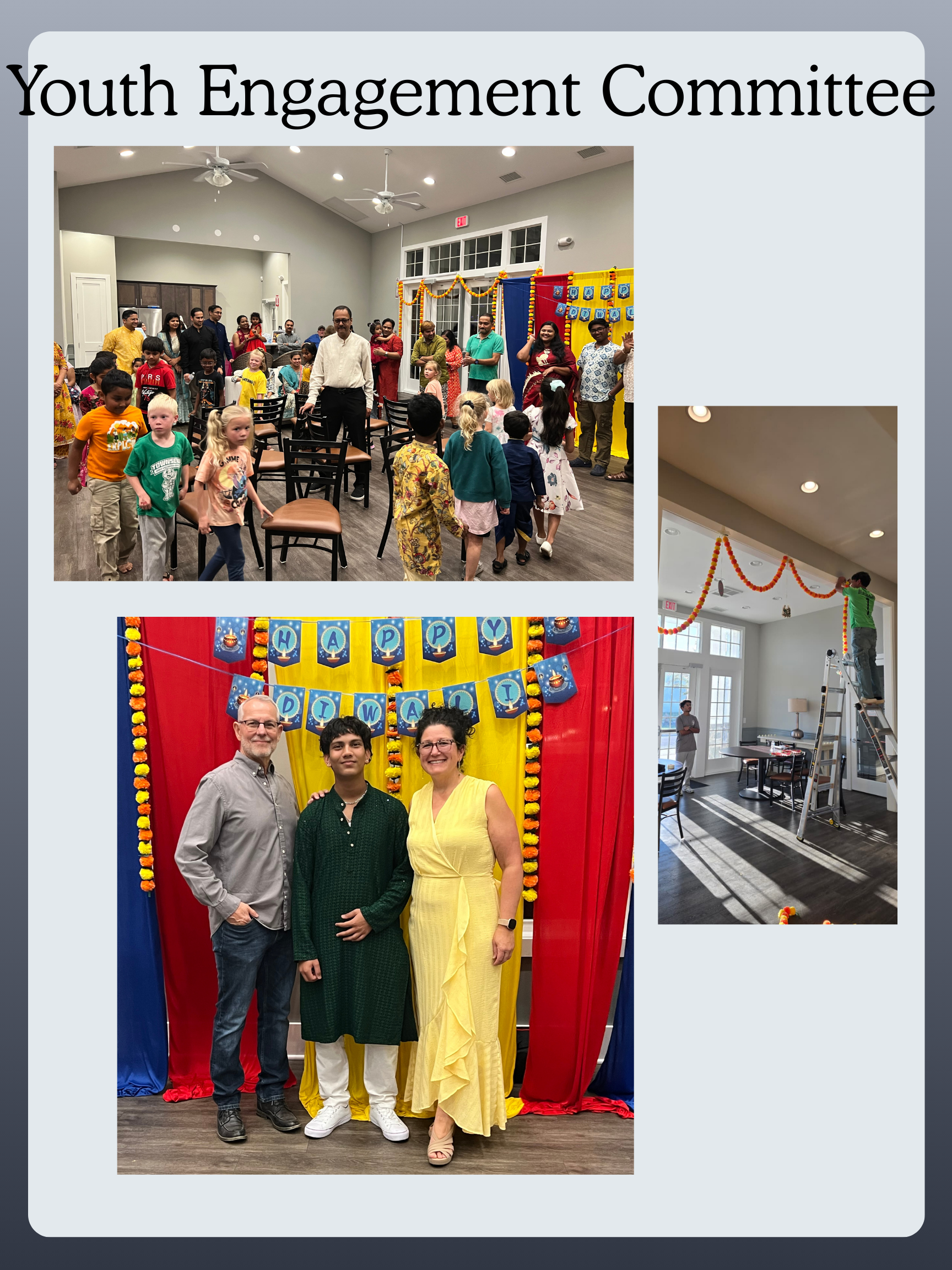
The committee organizes social events, game nights, seasonal celebrations, and service projects like back-to-school supply drives. The impact is evident: older adults attend committee events at three times the rate of traditional HOA meetings. Residents describe youth-led gatherings as more welcoming, energetic, and focused on building genuine relationships.

Beyond attendance numbers, the committee has reduced loneliness among older neighbors, created meaningful cross-generational friendships, and given teenagers hands-on experience in leadership and community organizing.

Key facts

Main target group: Both younger and older people (i.e. intergenerational)

Sector(s): Other

Other sector(s): Social Engagement

Desired outcome for older people:
Build and maintain relationships

Other issues the Age-friendly practice aims to address:
  • Accessibility
  • Healthy behaviours (e.g. physical activity)
  • Intergenerational activities
  • Inclusion
  • Participation

Contact details

Name: Shah, Ayaan

Email address: ayaan.shah1910@gmail.com

Preferred language(s): English

Age-friendly practice in detail (click to expand):

Engaging the wider community

Project lead: Civil Society Organisation

How collaboration worked: The Youth Engagement committee was built off the collaboration of teen members, older adults serving as the advisors along with support from the HOA. The youth members plan and organize all the events while the adults serve as the mentor for the committee, helping guide them and provide support. The HOA is responsible for communication with residents along with helping with funding. The committee’s success depends on clear partnership structures that balance youth leadership with intergenerational support. From planning to execution, collaboration happens at every level. The youth committee operates as an autonomous body within the HOA with sole decision-making powers, but chooses to collaborate closely with mentors throughout the process. Events begin with ideas from youth members based on what they observe is needed in the neighborhood. These ideas are discussed among the full committee, then presented to their primary advisors, the HOA president and the chairperson of another HOA committee. After thorough planning together, the proposal goes to the HOA’s social committee, which handles communication by sending event details to all residents. This approach allows young people to grow through hands-on leadership while benefiting from the guide rails provided by experienced mentors. For funding, each event requires financial support. As the committee presents ideas to the HOA, they receive funding from the HOA’s budget designated for community activities. The committee also raises funds through community donations. Being youth-led generates strong interest and support, making fundraising more effective. For example, when organizing a neighborhood festival celebration, the committee received $4,000 in HOA funding and raised an additional $1,000 during the event itself, which could be used for future activities. This combination of institutional support and community-driven fundraising makes the model sustainable and demonstrates the community’s investment in youth leadership.

Older people’s involvement: Older people were involved in the age-friendly practice at multiple or all stages

Details on older people’s involvement: Older residents have been essential from day one when a retired community member helped design the committee structure, ensuring it respected community values while giving young people real leadership. Older adults continue to mentor us, helping youth understand HOA processes, learn from past experiences and plan events that work for everyone and their involvement gave credibility to youth leadership and taught us the importance of listening, adapting, and building trust.

Moving forward

Has the impact of this age-friendly practice been analysed: No

Do you plan to evaluate your age-friendly practice? Yes

Feedback:
We’ve received thoughtful feedback from both older residents and youth participants that has shaped how the committee operates and grows. This input has been essential in helping us understand what’s working and where we can improve. What’s Working: Older residents frequently tell us they appreciate the energy, creativity and genuine care young people bring to community life. Many say they feel valued and seen in ways they haven’t in years and they look forward to our events as highlights of their month. Several have shared that spending time with teenagers reminds them why community matters and has reduced their feelings of isolation. Youth members report feeling more confident, improving their communication skills and gaining a deeper understanding of what it means to serve others. What We’ve Learned: Some older residents initially asked for more advance notice about events and clearer information about accessibility, things like seating, parking and how long events would last. Others wanted to gather more often. This feedback led us to create a consistent monthly schedule, give people more time to plan and include accessibility details in every announcement.

Expansion plans:
We have a bigger vision of expanding this model beyond my own neighborhood by introducing similar youth led, intergenerational committees in other HOAs and neighborhoods, eventually helping spearhead this approach across the state. The goal is to share a replicable framework that encourages youth leadership while actively engaging older adults as advisors and participants, strengthening community connection at a larger scale by: Creating tools others can use: templates, guides and practical advice that other HOAs and neighborhoods can adapt to their own communities Partnering with organizations that focus on youth leadership and supporting older adults to pilot the model in different types of communities Training other young leaders in different neighborhoods to start their own committees, with support and guidance from what we’ve built Showing what works through participation numbers, stories from residents and clear examples that demonstrate the impact to other HOAs and community groups The bigger goal is making youth led intergenerational committees a normal part of how communities operate, proving that supporting youth leadership also addresses isolation, builds civic engagement and strengthens community bonds.

Looking back

Reflections:
Our collaboration with older mentors has been a critical piece in the success of the work that we are doing. This collaboration allows us to gather different perspectives and also get experienced views on our work. When the idea for the committee was first brought up, it was received with enthusiastic support from the HOA Board along with the community. They saw it as a great way to tackle a problem that many had been facing and this being an approach presented by the youth made it even more well received. As the advisors played a big role for us, something to improve while starting again could be to engage them even earlier on in the process, not just as advisors but as partners in designing the committee from the very beginning. Another thing that could’ve made this an even bigger success would be promoting and marketing the youth led initiative at a higher degree. The attention gained through promotions would help scale the initiative outside of just one neighborhood. Being noticed for this type of new approach and success would encourage such ideas even in other communities. This experience taught that meaningful intergenerational work needs intentional planning, not just good intentions. It requires young people to lead authentically while genuinely valuing the wisdom that comes with age and experience. Most importantly, when communities invest in youth leadership and intergenerational connection at the same time, they solve multiple challenges at once: youth feeling disconnected, older adults experiencing isolation, declining civic participation and neighborhoods losing their sense of community. The committee works because it doesn’t treat these as separate problems, it recognizes they’re connected and need connected solutions.

Challenges:
One of the main challenges was bringing people together across different age groups to organize and plan activities, especially when schedules and expectations varied. There was also some initial hesitation about youth led initiatives and their abilities to organize meaningful events. We addressed this by keeping events informal and welcoming, maintaining open communication and working closely with older advisors who helped build trust and encourage participation and adjusted events based on feedback. Over time, this collaboration made organizing easier and strengthened relationships across generations as they saw for themselves the changes being brought to the neighborhood.