
Adding life to years
Text size:
-+=

The “School of Seniors”: A Lifelong Learning Model
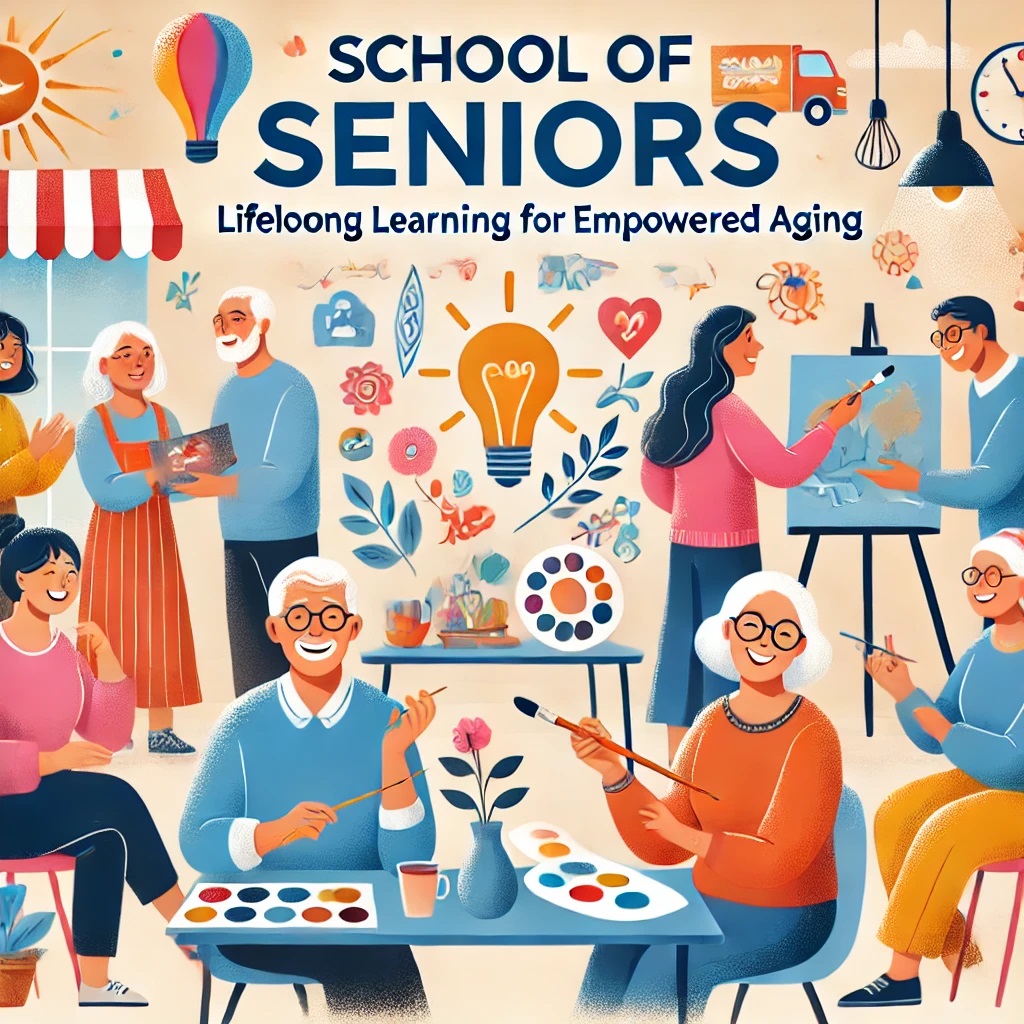

The “School of Seniors”: A Lifelong Learning Model

Status: Ongoing

Kochi India
Print this page City population: 340605516.5% over 60Practice started in 2024

Summary

The School of Seniors, under the umbrella of the University of the Third Age and lifelong learning, is an age-friendly initiative being developed focused on continuous personal growth and economic empowerment for older adults. Developed by SMRI (Sports & Management Research Institute) in partnership with CEDAC, a division of MAGICS NGO, this program is designed to promote active ageing through an array of learning and engagement opportunities tailored to the needs and preferences of older adults. Its goal is to enhance quality of life by offering multidimensional programs that include skill development, intellectual enrichment, physical activities, and creative arts, encouraging social participation and mental resilience.

Aligned with the WHO’s age-friendly cities framework and the SDGs, the School of Seniors offers annual modules across core domains, from languages and art to specialized topics like agriculture, fashion design, and entrepreneurship. The program also provides pathways for older adults to engage in internships, volunteer roles, and even entrepreneurial ventures, enabling them to remain active contributors to the silver economy.

Getting implemented across Kerala, this initiative will have significant benefits, such as improved mental well-being, physical health, and social connectedness. Feedback has underscored the program’s effectiveness in addressing social isolation, ageist stereotypes, and economic independence. The School of Seniors stands as a replicable model, showcasing that lifelong learning can empower older adults not only as learners but as contributors, enhancing their role within the community and positively impacting public health, social inclusion, and economic growth.

Website: https://www.agefriendlykochi.com/school-of-seniors

Key facts

Main target group: Older people in general

Other target group(s): Retired persons and those above 50 years of age

Sector(s): Education, Health, Information and communication, Labor, Social protection

Other sector(s): Sports and Games

Desired outcome for older people:
Learn, grow and make decisions

Other issues the Age-friendly practice aims to address:
  • Ageism
  • Accessibility
  • Dementia
  • Elder abuse
  • Healthy behaviours (e.g. physical activity)
  • Intergenerational activities
  • Participation

Contact details

Name: Praveen G Pai

Email address: praveengpai@gmail.com


Age-friendly practice in detail (click to expand):

Engaging the wider community

Project lead: Civil Society Organisation

Others involved in the project:
  • Local authorities
  • Older People’s Association
  • Volunteers

How collaboration worked: The School of Seniors thrives on collaborative support across various sectors. In project management, CEDAC partners with SMRI, ensuring the integration of sports, education, and public health expertise into the program’s curriculum. This collaboration has allowed us to co-develop programs that are inclusive, practical, and innovative. Funding is generated through contributions from beneficiaries, reflecting their strong commitment and interest in lifelong learning. As we expand, we anticipate additional funding support from local self-governments to scale up resources and program reach, ensuring more seniors benefit from this initiative.

Older people’s involvement: Older people were involved in the age-friendly practice at multiple or all stages

Details on older people’s involvement: Older people play a central role in the School of Seniors, not only as active learners but also as mentors, contributors, and innovators within the program. They engage in intergenerational mentorship, participate in meaningful research activities, and even explore new careers or businesses, actively reshaping perceptions of ageing and reinforcing their invaluable role in both community and economic spheres.

Moving forward

Has the impact of this age-friendly practice been analysed: No

Do you plan to evaluate your age-friendly practice? Yes

Feedback:
We have received both positive and negative feedback on our age-friendly practices from our target group of older adults. Here’s a breakdown of some of the key feedback we’ve received: Positive Feedback: Participants appreciate the diverse range of courses and activities offered, which cater to their varied interests and needs. Many older adults have reported improvements in their mental and physical well-being, as well as a renewed sense of purpose and social connection. Some participants have even started their own businesses or taken up new hobbies as a result of the skills and knowledge gained through the program. Negative Feedback: Some participants have expressed a desire for more courses to be offered in their local areas, particularly in rural regions. A few have mentioned that the program’s fees could be a barrier for some older adults, especially those on fixed incomes. Some participants have suggested that the program could benefit from more opportunities for intergenerational interaction and collaboration.

Expansion plans:
We plan to expand our age-friendly practice by expanding geographically to reach more older adults across Kerala and potentially other states. We will continuously update and expand our course offerings to keep pace with evolving needs and interests. Strengthening partnerships with local governments, healthcare providers, and other organizations will create a comprehensive network of support. Leveraging technology through online courses, virtual workshops, and mobile apps will make our programs more accessible. Fostering intergenerational programs will promote mutual learning and respect. Ongoing research and evaluation will help us refine our approach and ensure we meet the evolving needs of older adults. By focusing on these areas, we aim to significantly expand the reach and impact of our age-friendly practice, empowering more older adults to lead fulfilling and productive lives.

Looking back

Reflections:
Reflecting on our experience with the School of Seniors, we’ve learned valuable lessons. We wish we had been more aware of the specific challenges faced by older adults in rural areas, such as limited access to technology and transportation. This understanding would have allowed us to tailor our programs and outreach efforts more effectively. If we were to implement the program again, we would prioritize building stronger partnerships with local community organizations to leverage their existing networks and resources. Additionally, we would invest more in digital literacy training for older adults, enabling them to fully participate in online learning opportunities. We would also focus on creating more intergenerational programs, fostering connections between older and younger generations. This would not only benefit the older adults but also enrich the lives of younger participants. Finally, we would conduct more comprehensive evaluations to measure the long-term impact of the program on participants’ well-being and economic empowerment.

Challenges:
The School of Seniors faced several challenges, including the digital divide, transportation barriers, financial constraints, and ageism. To overcome these obstacles, we will be implemeting strategies such as digital literacy workshops, community-based learning centers, flexible payment plans, intergenerational programs, and awareness campaigns. These initiatives are expected to help us increase participation, enhance the overall program experience, and achieve a more significant impact on the lives of older adults.