
Adding life to years
Text size:
-+=

The City of Vienna’s Senior Citizens’ Advocate
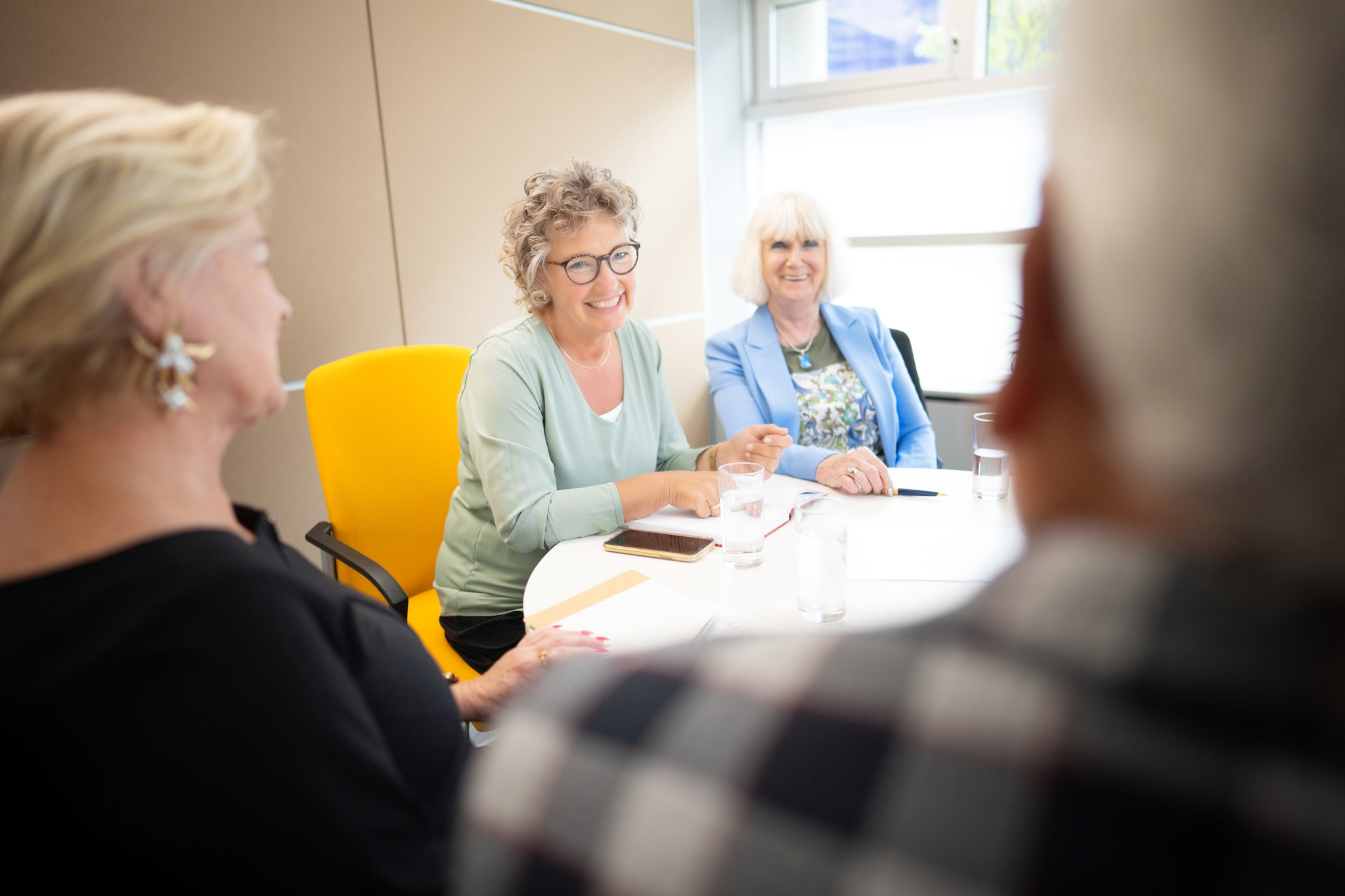

The City of Vienna’s Senior Citizens’ Advocate

Status: Ongoing

Evaluated

Vienna Austria
Print this page City population: 190000022% over 60Practice started in 1996

Summary

Vienna is the capital of Austria with nearly 2 million inhabitants in 2024, around 450,000 are at least 60 years old. In order to respond to the needs and concerns of this growing population group, the role of a Senior Citizens’ Advocate was created for the City of Vienna in 1996.
In January 2022, Sabine Hofer-Gruber was appointed Senior Citizens’ Advocate of the City of Vienna by decree of the Mayor of Vienna. Her mandate:
• Developing concepts for older adult citizens’ issues
• Participation in the development of proposals for measures in the area of older adult citizens and in the preparation of related studies
• Organising coordination meetings on older adult citizens’ issues with all the relevant bodies
• Monitoring developments relevant to older adult citizens abroad, especially in the European Union
• Contributing to the provision of information to older adult citizens and the public on older adult citizens’ issues
• Providing regular reports to the city councilor in charge of the department responsible for the older adult agenda
As the City of Vienna’s Senior Citizens’ Advocate, Hofer-Gruber acts as a mediator among the population, the urban landscape and politics. Her principle: ‘Making life more livable’
In this role, Hofer-Gruber is particularly keen to create the best possible living conditions and social environment for older adult citizens and promote their active participation in society. Together with her team ‘Vienna for Seniors’, she initiates numerous projects, such as the Senior Citizens’ Month and the Senior Citizens Festival, which focus on activities and information programmes for seniors in the city. She is also the managing director of the Vienna Senior Advisory Council, a political committee of all parties represented in the city council.

Website: https://www.seniorinnen.wien/

Key facts

Main target group: Older people in general

Sector(s): Information and communication

Desired outcome for older people:
Learn, grow and make decisions

Other issues the Age-friendly practice aims to address:
  • Ageism
  • Ageing in place
  • Dementia
  • Healthy behaviours (e.g. physical activity)
  • Inequities
  • Inclusion
  • Participation
  • Other

Contact details

Name: Sabine Hofer-Gruber

Email address: post@seniorinnen.wien


Age-friendly practice in detail (click to expand):

Engaging the wider community

Project lead: Local authorities

Others involved in the project:
  • Local authorities
  • Older People’s Association
  • Social or health care provider
  • Volunteers
  • Research institution

Older people’s involvement: Older people were involved in the age-friendly practice at multiple or all stages

Moving forward

Has the impact of this age-friendly practice been analysed: Yes

Was the impact positive or negative:
Positive

Please share with us what you found in detail:
Every three years, the Senior Citizen Barometer is commissioned by the City of Vienna’s Senior Citizen Advocate. It is a survey of people over the age of 50 on the topics of quality of life, leisure behaviour, mobility, internet use and their social situation. The last survey took place in 2022. The results confirm the high quality of life in Vienna. At the same time, it has become clear which issues older persons are most concerned about. A third of the respondents are worried about their financial situation, while around 60 per cent are concerned about the political situation, the environment and the climate. The results of the survey are an important basis for the development of targeted measures and programmes to improve the quality of life and well-being of senior citizens.

Looking back

Challenges:
To advocate for the concerns of senior citizens, cooperation between many organisations in the city is needed. The Senior Citizens’ Advocate works closely with organisations and public institutions in order to increase the focus on the concerns of Vienna’s senior citizens.