
Adding life to years
Text size:
-+=

Meet & Speak: One Circle, Many Worlds

Meet & Speak: One Circle, Many Worlds

Status: Ongoing

Oldenburg Germany
Print this page City population: 180000Practice started in 2025

Summary

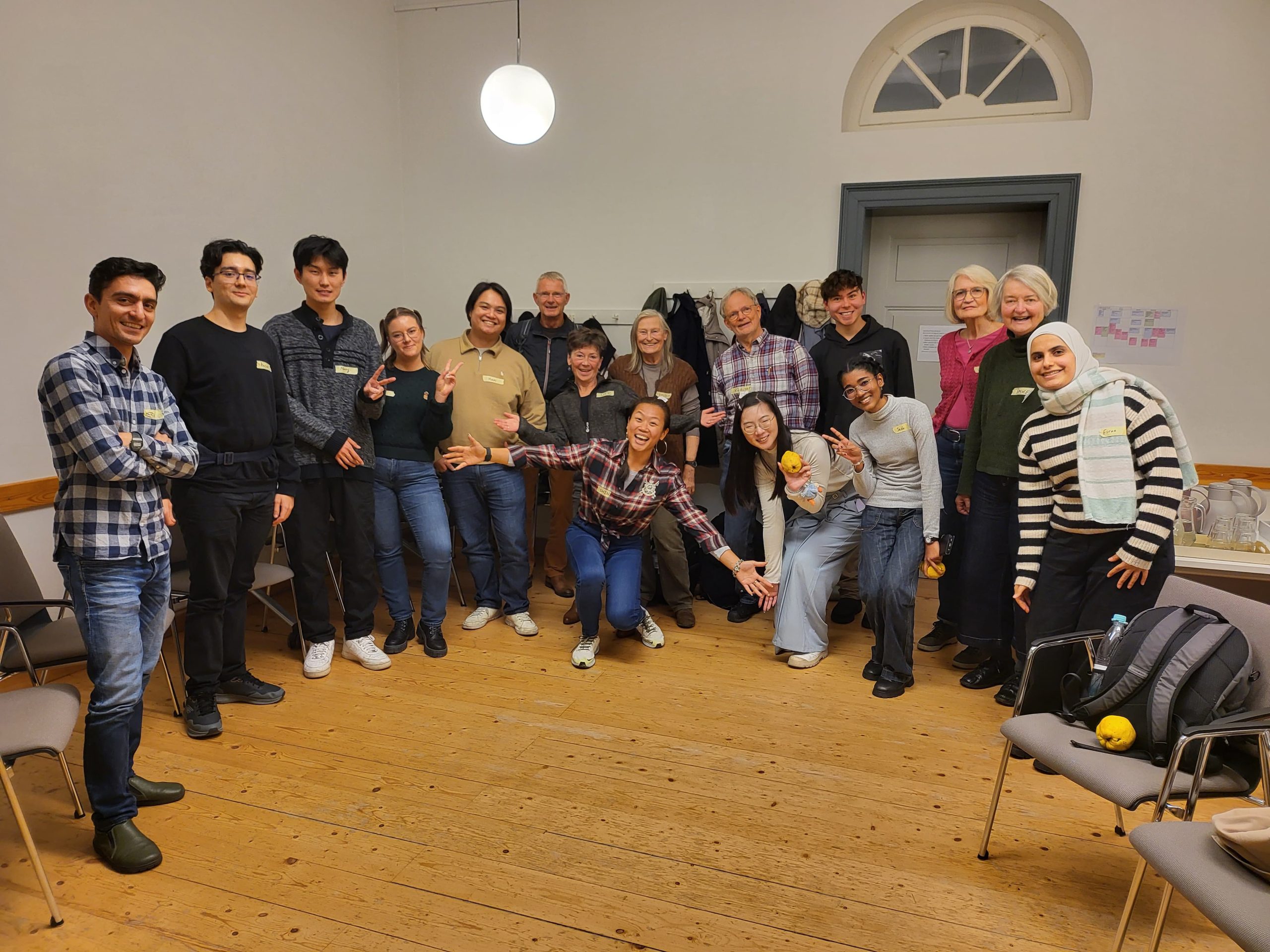
Meet & Speak is a low-threshold intergenerational practice that brings together older local residents and internationals through facilitated language and cultural exchange. The goal is to strengthen social participation, reduce social isolation, and challenge ageist assumptions by creating reciprocal encounters across age, culture, and language.

The practice was developed through collaboration between the International Office of the University of Oldenburg and inForum, a municipal civic engagement service of the City of Oldenburg. Sessions are designed to be welcoming, informal, and non-hierarchical. Meet & Speak emphasised exchange on equal footing. It creates a shared space where older adults are positioned as active conversation partners, cultural knowledge holders, and hosts of lived experience. Internationals, in turn, contribute their languages, cultural perspectives, and global experiences.

Meet & Speak aligns with several WHO Age-Friendly Cities and Communities domains, especially social participation, respect and social inclusion, and community support and connectedness. Activities such as themed conversations, storytelling, and shared meals support sustained interaction and relationship building.

Observations from multiple implementation rounds indicate high engagement and strong participant interest. Older participants have reported increased social vitality, purpose, and openness toward younger generations, while internationals have reported greater confidence in local language use, reduced loneliness, and a stronger sense of belonging. A key lesson learned is that simple, low-cost formats can create meaningful intergenerational contact when they are intentionally designed around reciprocity, curiosity, and shared humanity.

Key facts

Main target group: Both younger and older people (i.e. intergenerational)

Sector(s): Education, Health

Desired outcome for older people:
Build and maintain relationships

Other issues the Age-friendly practice aims to address:
  • Ageism
  • Intergenerational activities
  • Inclusion
  • Participation

Contact details

Name: Chong, Shin-Wee

Email address: meet.speak@my-silverlining.org

Preferred language(s): English, German, Chinese

Age-friendly practice in detail (click to expand):

Engaging the wider community

Project lead: Private sector

Others involved in the project:
  • Local authorities
  • Civil Society Organisation
  • Volunteers
  • Research institution

Older people’s involvement: Older people were involved in the age-friendly practice at multiple or all stages

Moving forward

Has the impact of this age-friendly practice been analysed: No

Do you plan to evaluate your age-friendly practice? No

Looking back

Challenges:
One key challenge was sustaining the interest and motivation of both internationals and older local residents. To address this, the format was intentionally designed as a reciprocal exchange rather than a one-sided support offer. Both groups contribute: older adults share local knowledge, life experience, and cultural context, while internationals bring languages, global perspectives, and their own lived experiences. This helped emphasize equal footing and mutual benefit. Another challenge involved practical logistics, including communication, participant outreach, and securing suitable event spaces. This was addressed through collaboration between the International Office of the University of Oldenburg and inForum, the municipal civic engagement service of the City of Oldenburg. The partnership allowed the practice to reach both target groups more effectively and to use existing institutional networks and spaces. A further challenge was designing activities that felt meaningful and engaging for participants with different ages, language levels, cultural backgrounds, and expectations. To address this, sessions were kept flexible and feedback-oriented. Ongoing feedback helped refine the format and ensure that the sessions remained accessible, enjoyable, and relevant for all participants.