
Increasing Social Connection
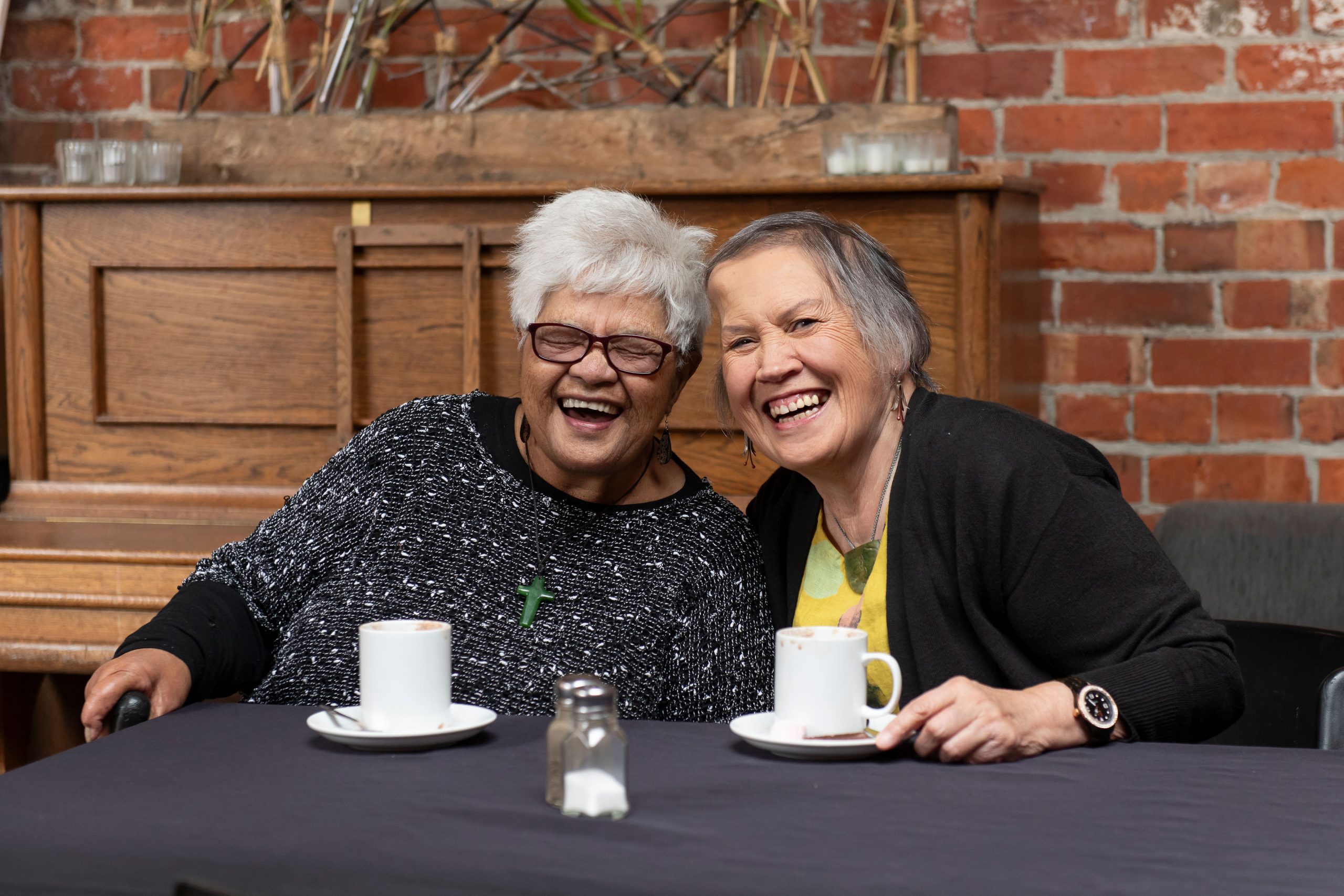

Through the process of supporting the creation of Gore’s Ready for Living Age-friendly Strategy it was established that there is a number of lonely older people in the community.
The impact loneliness can have on mental and physical health has been recognized by WHO. The distinction between loneliness and social isolation was determined as a crucial aspect that needed to be differentiated when creating a policy response. Loneliness is an emotional experience while isolation is a lack of social contact. Loneliness is a subjective feeling, whereas isolation is an objective state. Other people in the community perceived people to be lonely due to social isolation but some of these individuals did not consider themselves to be lonely.
Our goals in intervening included:
– Increase the number of older people involved and aware of the current community activities and volunteer opportunities available.
– Increase awareness of what loneliness is, when and how to get help and options to increase connection.
To combat this problem Ready for Living developed actions to help promote social connection.
Initiatives included developing a fortnightly calendar of social connection groups in the local free newspaper. This provided older people with a written calendar, delivered to their home that they could see what was on each day and learn about new opportunities available.
Messaging normalizing loneliness and things to do if you are lonely have been displayed on screens in Council venues as well as in community spaces such as health services to encourage discussion and education around this topic. Flyers were developed with the same messaging and distributed in the wider community.
Educational opportunities including first aid, scam prevention, IT, driving courses were used as a way for people to have further opportunities to connect and meet other people in the community.
Main target group: Older people in general
Sector(s): Social protection
Desired outcome for older people:
Build and maintain relationships