
Healthy Diet Communication for Older Persons
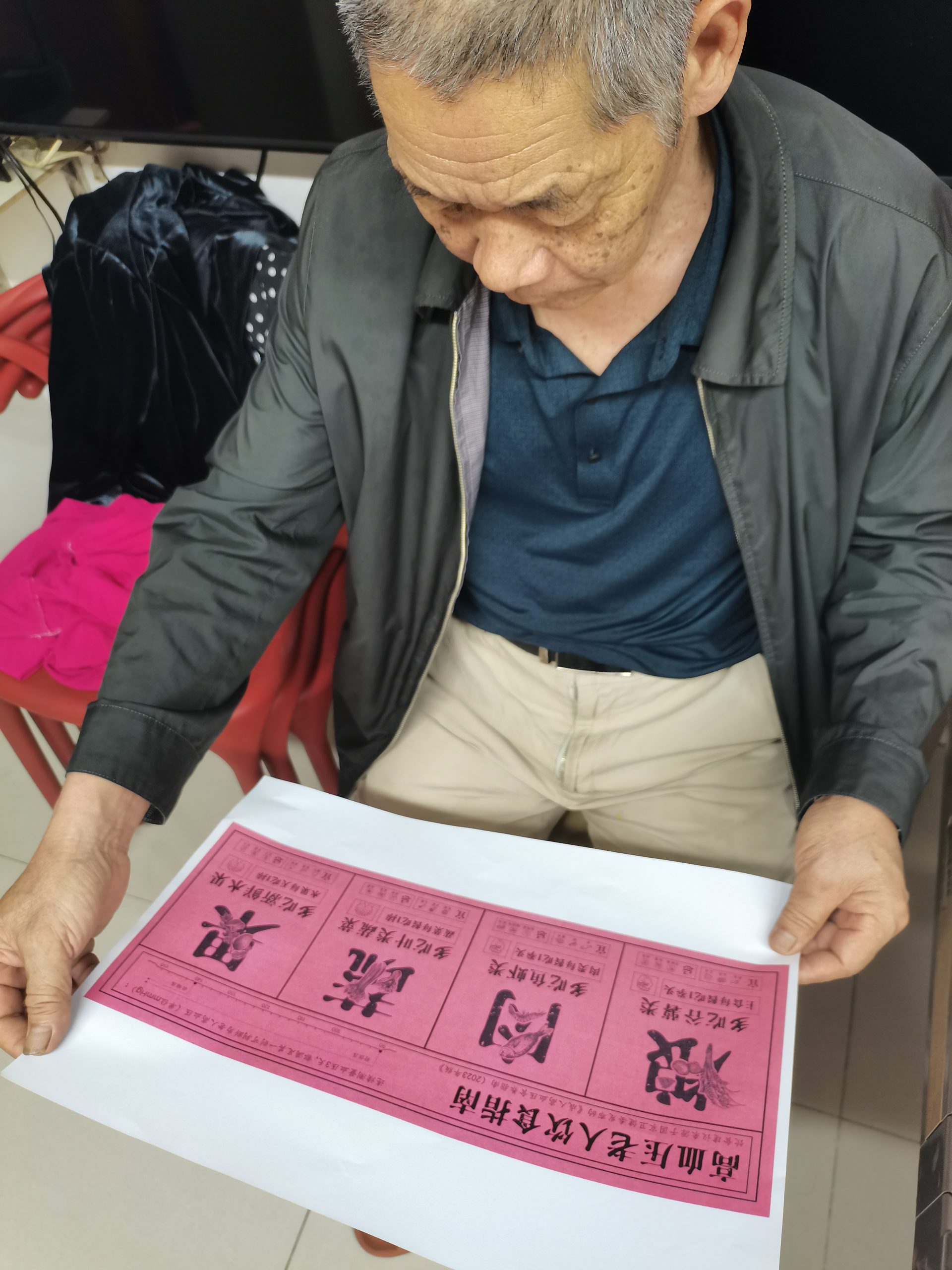

China is a developing country with a rural population of over 500 million. Defeng Village, Luogang Town, Guangdong Province is an underdeveloped region in China. 80% of the young and middle-aged population go out to work, and remaining population is predominantly older persons.
A survey found that older persons in Defeng Village have limited capacity to consume a nutritious diet due to the degeneration of their teeth and digestive functions. Additionally, some older people, influenced by traditional food culture, have long preferred pickled, high-oil, and high-salt foods and lack awareness of how to consume a balanced diet. Many older people in the Village have only primary school education, limited health literacy and reading and writing skills, and have great difficulty in fully understanding written health materials.
The Healthy Diet Communication project fully considers the education level of local older persons and develops infographics to visualize hypertension, diabetes, high blood lipids, high uric acid, and daily meals for older persons. Participatory design was carried out with the target group of older persons, and the visual effects of the design were judged based on comprehensibility, readability, and cultural sensitivity.
The direct impact of vision on human behavior is a controversial and complex topic. In this design, positive information frames were shown to have a greater impact on older people with limited education and literacy. The final image has increased the awareness and attention of rural older persons to dietary health to a certain extent. The lesson from this project is that infographics should be used in conjunction with written or verbal explanations that help clarify the image and convey the complete message.
Main target group: Older people with chronic health conditions or disability
Sector(s): Health, Information and communication
Desired outcome for older people:
Learn, grow and make decisions