
Assistive technology enhancing lives

Assistive technology is essential for inclusion and participation, especially among people with disabilities and older persons. The Global report on assistive technology reveals that 2 in 3 people over the age of 60 need assistive technology.
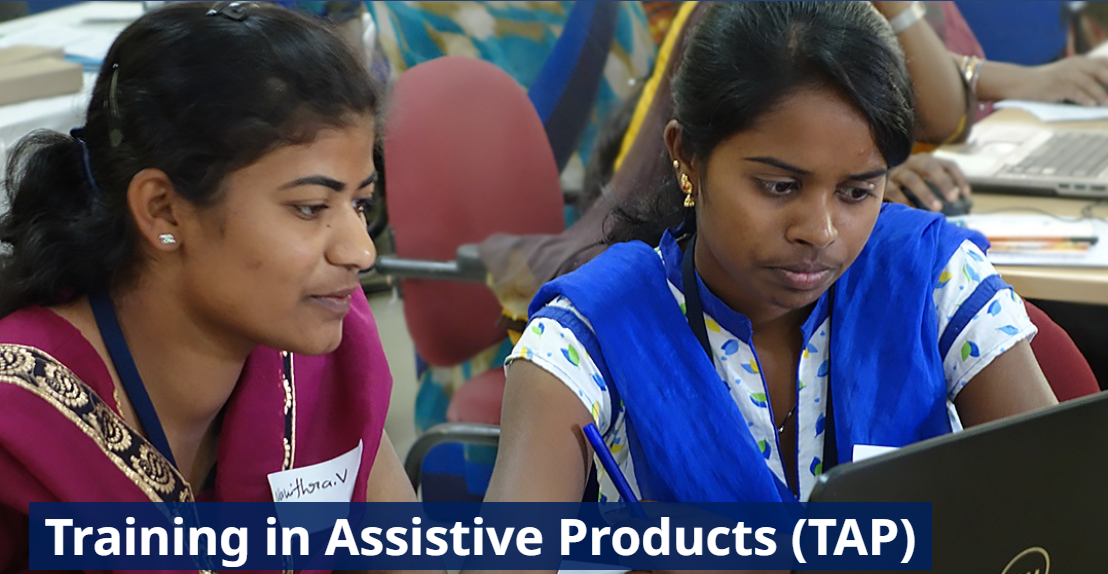
Tanzania’s Ministry of Health, the World Health Organization, and HelpAge International are working together to improve health care for older persons, including access to assistive technology. From 2020, the Ministry of Health collaborated with WHO to ensure access to assistive products through primary health care. A key tool in building the competencies of primary health care personnel to play a role in assistive technology provision is through the WHO online Training in Assistive Products (TAP). TAP prepares health personnel to identify those who may need assistive technology, provide simple assistive products, and/or refer people for more complex products and services. HelpAge Tanzania, known for training healthcare workers in age-friendly practices, supported the implementation of TAP training in the Morogoro Region, working with the local association for older persons to ensure community engagement, advocacy and mobilization at local level.
This project created a referral pathway, linking communities, primary healthcare centers, and district hospitals to enhanced access to assistive products. It supported the provision of assistive products that contribute to maintaining functional abilities for mobility (walking sticks, rollators, therapeutic shoes), self care (toilet and shower chairs), vision (reading glasses), and cognition (pill organizers).
Beneficiaries from rural and urban areas in the Morogoro Region, previously marginalized due to economic limitations, lack of products, low awareness, and disability misconceptions, have benefited from this initiative.
Main target group: Older people with chronic health conditions or disability
Sector(s): Health
Desired outcome for older people:
Meet their basic needs