
Adding life to years
Text size:
-+=

Assessment of Age-Friendly Communities in Brunei Darussalam

Assessment of Age-Friendly Communities in Brunei Darussalam

Status: Completed

Tutong District Brunei Darussalam
Print this page City population: 4740010% over 60Practice started in 2021

Summary

Countries such as Brunei Darussalam is experiencing a rapid increase in ageing group aged 60 years and above. From 2011 to 2016, it was recorded a 43% increase in the ageing population. Brunei Darussalam is one of the fastest ageing countries in ASEAN and it was projected that Brunei’s ageing population will reach 14% by the year 2028 and by 2050 it will be 28.7% (UN, 2017).

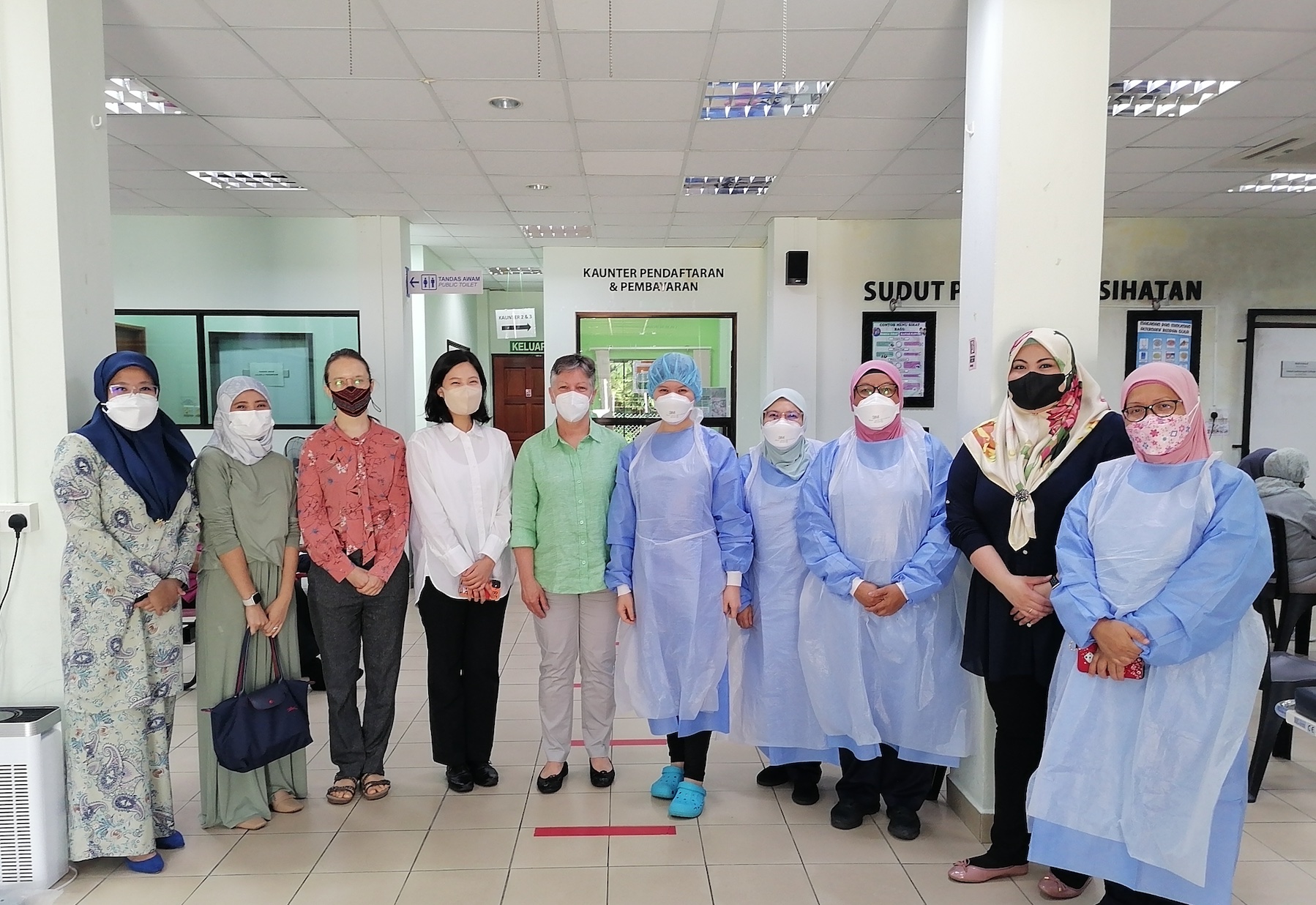
Brunei Darussalam in-collaboration with the WHO Regional Office for the Western (WPRO) through the WHO Country Representative for Malaysia, Brunei Darussalam and Singapore has conducted an assessment on age-friendly communities as part of the actions in the National Action Plan for Older People in Brunei Darussalam. The main aims of the project are to:
1) Conduct a qualitative survey using the Age-Friendly Environment Assessment Tool among local older people; and
2) Assess a specific community on the level of age-friendliness and the feasibility of piloting an age-friendly community in Tutong District.

Tutong District has been chosen as the pilot project, taking into consideration the geographical landscape, network of older people is well-developed and participation by older people is more active.

The assessment was divided into 2 phases:
Phase 1 involved conducting a qualitative survey using a locally-adapted age-friendly environment assessment tool; and
Phase 2 involved an physical assessment of Tutong District by WHO Technical Experts.

In summary, the assessment found that there were seven major common issues of the age-friendly environment that were raised by the older people, which include infrastructure, community, types of activities, safety and security, accessibility, leadership and usage of technology.

Key facts

Main target group: Older people in general

Sector(s): Health, Housing, Other

Other sector(s): Social and Welfare

Desired outcome for older people:
Meet their basic needs

Other issues the Age-friendly practice aims to address:
  • Accessibility
  • Ageing in place
  • Dementia
  • Healthy behaviours (e.g. physical activity)
  • Inequities
  • Inclusion
  • Participation
  • Technologies

Contact details

Name: Awang Tarif, Siti Munawwarah

Email address: munawwarah.tarif@moh.gov.bn

Preferred language(s): English

Age-friendly practice in detail (click to expand):

Engaging the wider community

Project lead: Local authorities

Others involved in the project:
  • Older People’s Association
  • Social or health care provider

How collaboration worked: Brunei Darussalam through the Health Promotion Centre, Ministry of Health in-collaboration with the WHO Regional Office for the Western (WPRO) through the WHO Country Representative for Malaysia, Brunei Darussalam and Singapore has conducted an assessment on age-friendly communities as part of the actions in the National Action Plan for Older People in Brunei Darussalam. The aim is to explore the feasibility of piloting an age-friendly community in Tutong District. Activities of the assessment included engagement with Tutong District Office, Tutong Municipal Department, grassroot leaders in Tutong District, older people from Senior Citizen Activity Centre, Tutong and other health and social officials from both Ministry of Health and Ministry of Culture, Youth and Sports.

Older people’s involvement: Older people were involved in the age-friendly practice at multiple or all stages

Details on older people’s involvement: Older people were invited, selected and consented to be interviewed in the project. The older people were chosen from the list of active members of the Senior Citizen Activity Centre and each of them were asked on their views and opinions about age-friendly communities in Brunei Darussalam.

Moving forward

Has the impact of this age-friendly practice been analysed: No

Do you plan to evaluate your age-friendly practice? Yes

Feedback:
Generally, older people were comfortable, happy and felt safe living in their community. This is due to the strong familial relationship, intergenerational family structure and good socially-bonded neighbourhood. Majority of older people responded that they have good perception of their current health and do not have problem that limits their ability to do normal daily activities. The overall assessment found that there were seven major common issues of the age-friendly environment that were raised by the older people, which include infrastructure, community, types of activities, safety and security, accessibility, leadership and usage of technology.

Looking back

Challenges:
There were several limitations in the assessment of the study. The most important limitation was the emergence of the 2nd wave of the COVID-19 pandemic in Brunei Darussalam. Secondly, the small sample size limits generalisability of the findings. The results of the assessment did not represent the whole population. Furthermore, there were several methodological issues encountered during the interview sessions. Thirdly, recall bias might occurred as respondents and there were inaccurate and inconsistencies in reporting on sensitive and/or personal and/or social topics.