Summary
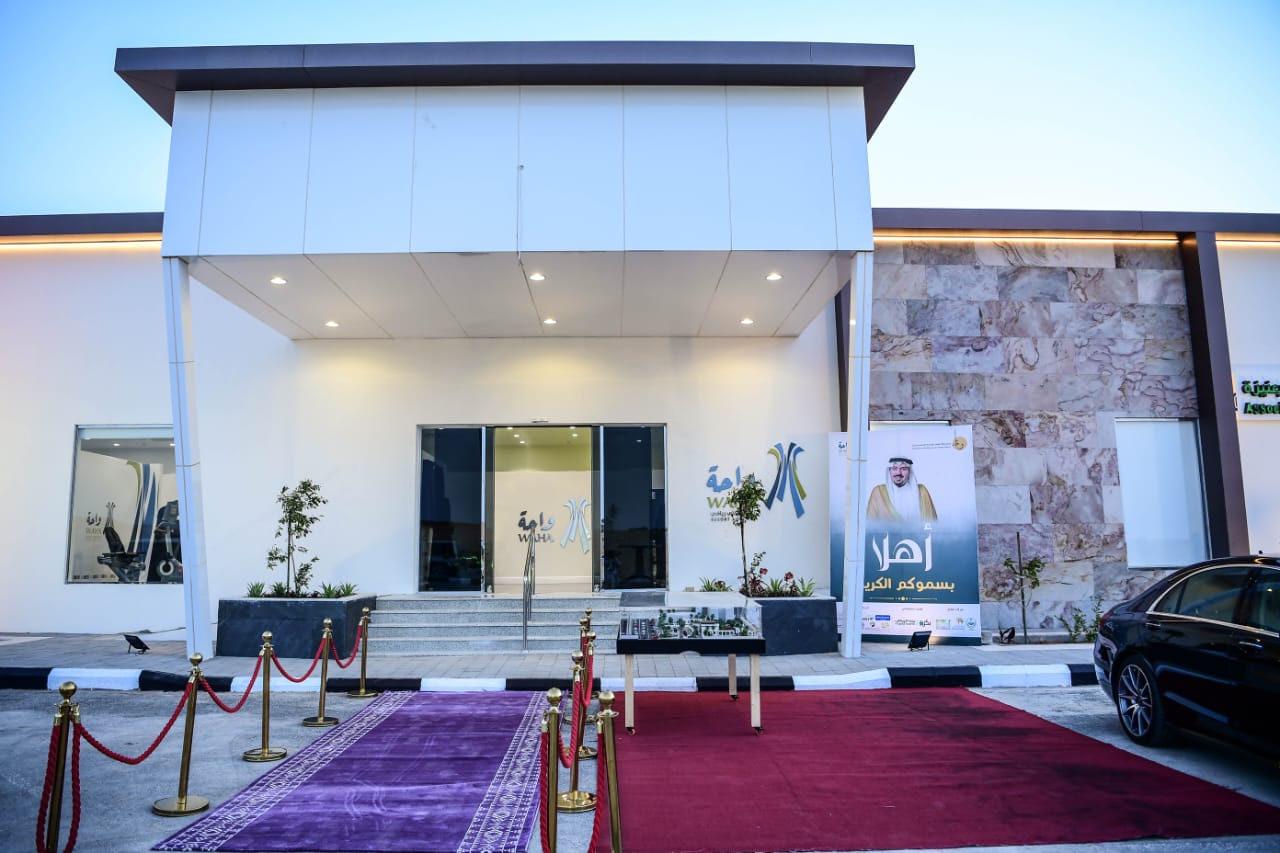
Al Waha Club opened on June 2, 2022 in Unaizah, Al Qassim Region, Saudi Arabia. It is an age-friendly initiative that offers complete wellness, rehabilitation, and support services for older adults. The goal is to improve functional ability and quality of life for people aged 45 and above by providing a gym, physical therapy, hydrotherapy, sauna, jacuzzi, walking track, reception tent, and hospitality services. The club has separate sections for men and women to respect cultural traditions.
Since opening, the initiative has served 1,098 beneficiaries (as of August 11, 2025). This has been made possible through a wide network of partners:
Private sector: Al Zamil Group, Bank Aljazira, Riyad Bank, Azm Saudi, SADM, Al Hayat National Hospitals, Unaizah Private Colleges, Dallah Hospitals, Mutma’ina, and Al Masouqaf Traditional Market.
Charitable foundations: Sulaiman Saleh Olayan Charity, Sulaiman Al Rajhi Charitable Foundation, Mohammed Al Khudair Endowment.
Government and semi-government: Ministry of Human Resources and Social Development, Sports for All, Qassim Health Cluster, Ehsan, Technical and Vocational Training Corporation.
Nonprofits: Al Bir Charity Association in Unaizah, Charitable Society for Honouring the Elderly, Dar Unaizah Heritage Association, Tahoor Association, Saudi Alzheimer’s Disease Charity Association, and the Association of Persons with Disabilities.
Older adults are included in planning through surveys and interviews, involved in decision-making, and some are employed in supervisory roles. Main challenges include getting official approvals and securing funding for variable costs. Future plans are to expand to nearby communities, build financial reserves, and strengthen partnerships.
See the video at: https://www.youtube.com/watch?si=mK_SSVHY3UdwzU3q&v=6vbt6coB2CI&feature=youtu .be
https://wahawafa.sa/
Key facts
Older people in general
Education, Health, Transportation
nan
Meet their basic needs
- Accessibility
- Ageing in place
- Inclusion
- Participation
- Technologies
Age-friendly practice in detail (click to expand):
Engaging the wider community
Older People’s Association
- Local authorities
- Civil Society Organisation
- Older People’s Association
- Social or health care provider
- Volunteers
- Private sector
- Research institution
The initiative is led by Assoiation of Al-Wafa Oasis for Elderly Support, coordinating with private sector partners, government and semi-government bodies, hospitals and colleges, and non-profit organizations. Older adults contributed through surveys, decision-making participation, and taking on some operational roles.
• Funding: Sourced from a mix of private sector sponsorships, charitable foundations, and government and nonprofit contributions, ensuring diversity and sustainability of resources.
This model brought together expertise and resources from multiple sectors, enabling services for over 1000 beneficiaries since June 2022.
Older people were consulted during the planning process
Older adults were actively involved in planning the Waha Club practice. Surveys were conducted to understand their needs and those of their caregivers. Beneficiaries were engaged in decision making and some were employed in roles such as cleaning supervisor and security guard supervisor. Regular feedback from participants shapes programme improvements
Moving forward
No
Yes
Feedback is gathered through surveys of participants and their families. Positive responses highlight improved mobility and social connections; suggestions include extending services to more communities and adding more health programmes
The practice intends to extend services to neighbouring communities, secure additional funding, and broaden programming. Plans include building financial reserves, engaging more government bodies and reaching older adults in nearby areas
Looking back
The team underestimated the time required to obtain regulatory approvals and the need for sustainable funding. Future initiatives would secure approvals and financial reserves earlier, and involve stakeholders from a wider geographic area from the outset
Major challenges included obtaining official approvals and securing sufficient financial support for variable costs. These were addressed by building partnerships with multiple sectors (government, private and charitable), conducting fundraising campaigns and engaging volunteers. Some beneficiaries were hired to oversee certain functions, which both empowered them and reduced staffing costs.