
Accessibility of medication information for older persons
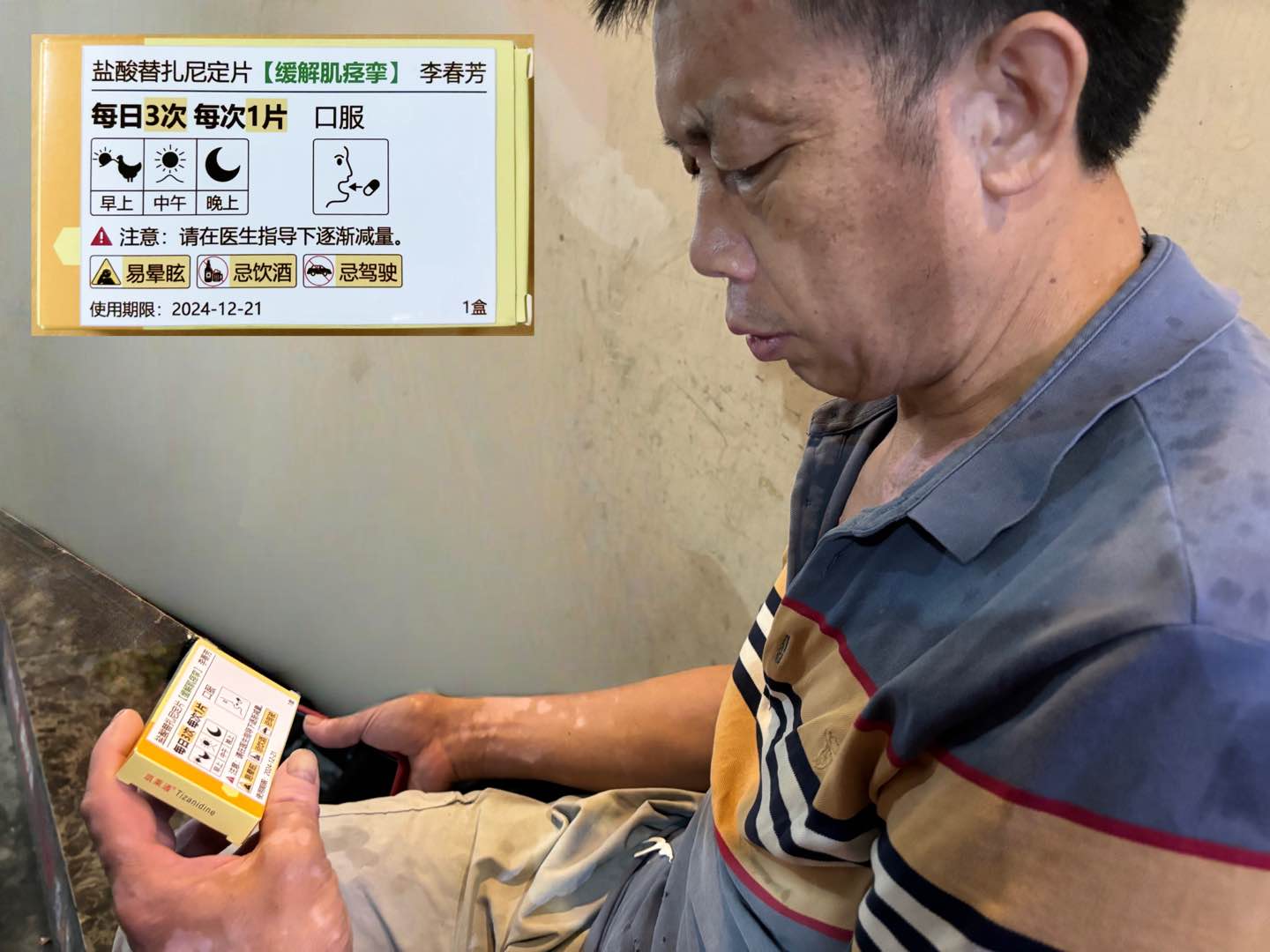

Older persons often take several medications to treat chronic diseases. However, the support ecosystem for optimizing medication use by older persons is either lacking or not properly optimized. Medication safety issues are particularly prominent amongst older persons.
In China, outpatient pharmacists provide patients with guidance on how to take medication on time, in the right amount, and according to the course of treatment in plain language. It is an important link for older persons to obtain standardized medication information. However, the existing medication guidance has not yet established age-friendly considerations in information communication.
This project focuses on promoting older persons’ adherence to medication use, preventing missed doses, overdose, and accidental ingestion of medication. By investigating the medication guidance labels of 36 hospital pharmacies in Guangzhou and conducting offline interviews with 20 older persons, older persons’ medication information needs and priorities were obtained and then medication labels and home medication reminder virtual apps were designed, and the design effects were verified based on consumer testing methods.
Due to the shortage of public health and medical resources in Guangzhou, older persons often have insufficient communication of medication guidance information during their interactions with doctors. This practice acts as a solution to improve the readability of medication information, the comprehensibility of drug pictograms, and provides medication app reminder services. The results show that the modified labels have improved both the comprehension rate and retrieval efficiency of older persons, and to some extent alleviated the information exchange barriers faced by older persons in the process of picking up and taking medicines.
Main target group: Older people in general
Sector(s): Information and communication
Desired outcome for older people:
Meet their basic needs