
The Government of India has worked for 3 decades to strengthen its blood transfusion services which involved strong national leadership, the application of scientific rigour, and regular community engagement processes.
The provision of safe blood through quality assured services is a critical public health function, and saves lives in trauma care, surgeries, maternal health, and chronic diseases management.
The Government of India has transformed its national blood services to become accessible, safe, and effective through evidence-based practices in clinics. The services are trusted by populations who are willing to donate blood in growing numbers.
With support from WHO India, through the UHC Partnership, the Government has undertaken policy reforms and digital integration in blood services, ensured quality control in blood centres, and achieved community engagement around blood donations.
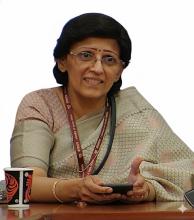
Through policy reforms, digital integration, and community engagement, we are building a blood system that is ethical, efficient, and responsive to the needs of every citizen. Our commitment is to make safe blood universally available, especially in underserved regions.
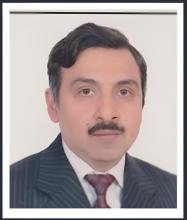
India’s blood services have come a long way. From manual registers to real-time digital platforms, the transformation reflects our commitment to modernizing infrastructure and improving service delivery. Voluntary donation is no longer just a campaign, it is a culture we are nurturing across communities.

Blood safety is central to patient safety. Our collaboration with WHO India has helped embed global standards into national practice, from National External Quality Assurance Scheme implementation to rational use of blood. We are not just building systems; we are building trust. Every guideline, every training, and every donation contributes to a safer, more inclusive health system.

In India, the strides made in blood services are a testament to what can be accomplished when national leadership, scientific rigor, and community spirit converge. From the quiet generosity of voluntary donors to the tireless efforts of health workers and policymakers, every link in the chain matters.
Gyan Chand Jain, 58, affectionately known as Billoo Ji, is Assam’s most prolific blood donor, having donated blood 114 times over nearly 3 decades. A humble oil depot worker from Bongaigaon, he crossed the 100-donation milestone during the pandemic, earning admiration across the state.
The Assam State Blood Transfusion Council recognises him as a Resource Person, and he travels across the district to train and inspire others. His unwavering commitment and grassroots advocacy have made him a respected figure in India’s blood safety movement.
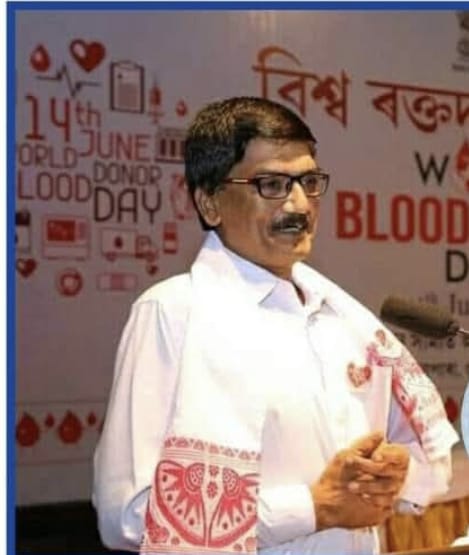
Gyan Chand Jain, Assam’s most prolific blood donor © State Blood Transfusion Council, Assam
Blood donations are an incredibly important part of India’s Blood Transfusion Service, where safe blood supports critical interventions in trauma care, surgeries, maternal health, and chronic disease management. The availability of safe blood is a critical public health priority to improve patient safety and reduce transfusion-related risks. It is a major part of a health system and providing accessible and quality-assured services is a significant step on the path to achieving universal health coverage (UHC).
Over the past 3 decades, the Blood Transfusion Service in India has evolved into a nationally regulated, technology-enabled, and policy-driven system. This transformation has been led by the Ministry of Health and Family Welfare, and guided by the Directorate General of Health Services, Blood Transfusion Services Division, and the National Blood Transfusion Council.
WHO’s India Country Office, with support from the UHC Partnership, has played a central role in advancing blood safety and quality assurance through sustained technical collaboration and policy support for strengthening the blood safety and transfusion systems in India.
“Ensuring access to safe blood is not just a technical goal, it is a moral and public health responsibility. Every unit of blood donated voluntarily represents a step toward equity in healthcare. Through policy reforms, digital integration, and community engagement, we are building a blood system that is ethical, efficient, and responsive to the needs of every citizen. Our commitment is to make safe blood universally available, especially in underserved regions,” said Sunita Sharma, Director General, Directorate General of Health Services, Ministry of Health and Family.
WHO’s initiatives align with India's health priorities, promoting stakeholder engagement, state-level advocacy, and enhancing sustainable blood safety systems. These efforts ensure safer transfusion practices, improved clinical outcomes, and enhanced public trust in healthcare systems.
In partnership with the Directorate General of Health Services, Ministry of Health and Family Welfare, WHO’s India Country Office has contributed to the development of national standards, operational frameworks, and regulatory guidance that have strengthened the foundation of India’s Blood Transfusion Services.
The UHC Partnership operates in over 125 countries, representing over 3 billion people. It is supported and funded by Belgium, Canada, the European Union, France, Germany, Ireland, Luxembourg, Japan, the United Kingdom of Great Britain and Northern Ireland, and WHO.
India’s annual blood collection increased from 12.6 million units in 2023 to 14.6 million units in 2024, with further growth expected in 2025. Voluntary blood donation accounted for 74.55% of total collections, reflecting strong public participation and the impact of effective awareness campaigns.
With support from WHO major advocacy events, such as World Blood Donor Day and National Voluntary Blood Donation Day, raise public awareness and reinforce the importance of voluntary, non-remunerated blood donation. However, the efforts go beyond annual campaigns to embedding blood donations within cultural and social life.
“India’s blood services have come a long way. From manual registers to real-time digital platforms, the transformation reflects our commitment to modernizing infrastructure and improving service delivery. Voluntary donation is no longer just a campaign, it is a culture we are nurturing across communities. Our focus remains on strengthening quality assurance, empowering blood centres, and ensuring that every unit of blood reaches those who need it most, safely and efficiently,” said Dr Krishan Kumar, Director, National Blood Transfusion Council.
Blood donor motivators work across India to encourage the public to donate donations, and many actively advocate to strengthen the system of the network across 1 131 centres.
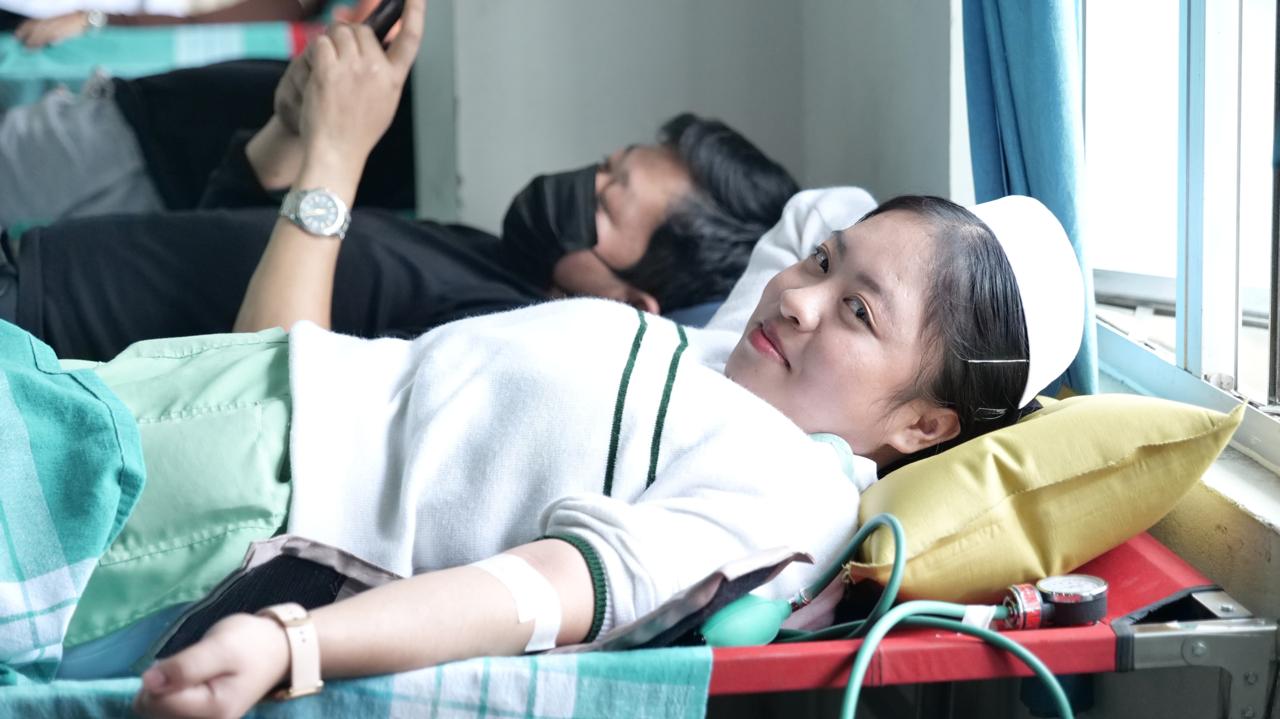
A blood donor in Mizoram, India © State Blood Transfusion Council, Mizoram
The Government of India is strengthening the quality of blood transfusion services, and by expanding the National External Quality Assessment Programme (EQAS) nationwide, is aiming to make the Government network of licensed blood centres self-sufficient. The Government, with support from WHO, through the UHC Partnership, rolled out and operationalised the National External Quality Assurance Scheme.
A total of 35 states participated in a national capacity building workshop, with 65 attendees from blood centres at state and national levels. This is being followed with the scaling up of EQAS in new centres in 2026 and implemented across central and state levels to ensure consistent benchmarking and performance improvement in blood centres. Participants were equipped to implement EQAS in their respective regions, strengthen blood safety protocols, and contribute to policy improvements.
“Blood safety is central to patient safety. Our collaboration with WHO India has helped embed global standards into national practice, from National External Quality Assurance Scheme implementation to rational use of blood. We are not just building systems; we are building trust. Every guideline, every training, and every donation contributes to a safer, more inclusive health system,” said Dr Megha Pravin Khobragade, Deputy Director General, Directorate General of Health Services.
WHO India, through the UHC Partnership, engages with state-level stakeholders to promote the rational use of blood, ensuring that transfusions are clinically justified, safe, and aligned with global best practices. Capacity building is a cornerstone of WHO’s support.
Working with the Government, WHO has co-developed several critical documents, including the Operational Guidelines for EQAS, the third edition of the Transfusion Medicine Technical Manual, the revised National Standards for Blood Centres, and the Guidelines for Voluntary Blood Donation. These resources have helped standardise practices, improve access to safe transfusion services, and promote ethical, voluntary blood donation.
The Government, with support from WHO’s India Country Office, also holds national workshops and conclave focused on Blood Centre Practices, Transfusion Medicine, External Quality Assessment Programme and Rational Use of Blood. These gatherings are key platforms for collaboration and innovation, bringing together stakeholders from across the country to exchange best practices, address challenges, and celebrate progress in voluntary blood donation, quality assurance, and safe clinical transfusion practices.
In 2025, a series of other meetings and conclaves supported stakeholders and practitioners to strengthen safe and evidence-based transfusion practices.
India’s Blood Transfusion Services have evolved into a well-structured, policy-aligned, and digitally integrated network that supports the country’s broader healthcare goals. Looking ahead, the strategic roadmap outlined in the upcoming National Annual Action Plan for 2026-2031 sets forth a clear vision for further strengthening the system. Key priorities include achieving 100% voluntary blood donation, ensuring that all blood centres across the country adhere to uniform quality standards, and expanding EQAS to every state and Union Territory.
"In India, the strides made in blood services are a testament to what can be accomplished when national leadership, scientific rigor, and community spirit converge. From the quiet generosity of voluntary donors to the tireless efforts of health workers and policymakers, every link in the chain matters. WHO is honoured to support this journey, not only through technical guidance but by standing with India in its pursuit of health for all," said Ms Payden, WHO Representative to India a.i., WHO India Country Office, New Delhi.