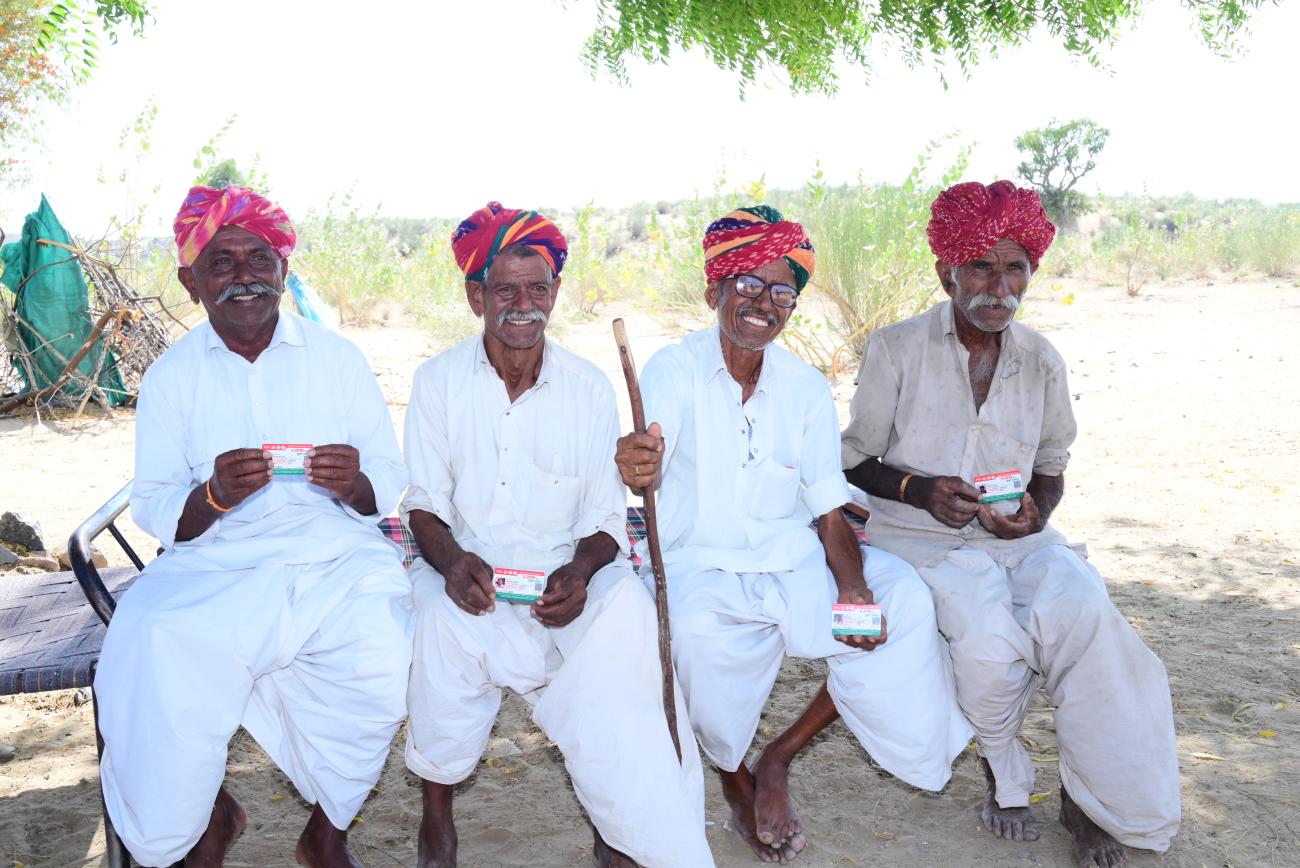
The State of Rajasthan has launched inter-state portability under its public health insurance scheme, enabling eligible beneficiaries from other states in India to access cashless treatment in Rajasthan’s hospitals, breaking long-standing geographic barriers to care.
Previously, patients from neighbouring states, many of whom lived close to Rajasthan’s well-equipped hospitals, could not use their health cards there. Introducing portability ensures equitable access beyond state boundaries, upholding the principle of no one left behind.
In the first 8 months of implementation, nearly 8 000 patients from outside Rajasthan were able to access services. This will increase over time as scheme ensures that all eligible patients, regardless of their state of residence, can benefit.
Working closely with the State Government, WHO, through the UHC Partnership, supported the mapping of health benefit packages, policy alignment, and digital interoperability needed to operationalize portability.

I felt helpless and thought I would have to live with this pain. One morning, my son read in the newspaper that the Government of Rajasthan had started portability services under the MAA Yojana, allowing patients like me to get treatment in hospitals in Rajasthan.
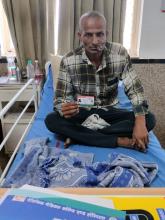
Thanks to the new portability provision introduced by the Government of Rajasthan, I was able to travel and avail treatment under the same scheme, without paying anything from my pocket […] I am relieved and hopeful again. For me, this is not just medical support, it’s the gift of a second life.
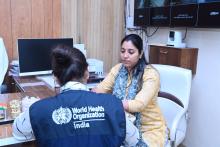
Portability services were the missing link in ensuring equitable access. Earlier, we would often see patients coming from neighbouring states who were unable to use their scheme benefits. Today, with portability live, people can receive quality treatment without worrying about boundaries or paperwork.

Rajasthan's efforts to enhance portability for out-of-state beneficiaries is a boon to India's UHC goals. WHO remains committed to contributing to these goals through its sustained support on key policy reforms.
Premila, 80, from Madhya Pradesh lived for nearly two years with unbearable pain in her hip and could barely move without support. She needed hip replacement surgery but unfortunately, under her health card, no nearby hospital could offer that service.
“I felt helpless and thought I would have to live with this pain. One morning, my son read in the newspaper that the Government of Rajasthan had started portability services under the MAA Yojana, allowing patients like me to get treatment in hospitals in Rajasthan.
“That news gave me hope after months of despair. My son and I immediately contacted the Geentanjali hospital in Udaipur, Rajasthan, and soon after, I came here for treatment. I underwent a left hip replacement surgery, and the entire process was completely cashless. The doctors and nurses treated me with such kindness and respect, I never felt like I was away from home. Today, I can walk again without pain,” said Premila.
Many people across India struggle to afford and access health care, leading to financial hardship and vulnerability. Households often forego necessary care, with a detrimental effect on their health and wellbeing.
India launched the pan-India Ayushman Bharat Pradhan Mantri Jan Arogya Yojana (AB PM-JAY) nationwide in 2018, with a vision to provide financial coverage for hospital-based services to vulnerable households across the country. These services are offered across a network of public and private hospitals.
The State of Rajasthan adapted this scheme under the Mukhya Mantri Ayushman Arogya (MMA) Yojana, and took a major leap in advancing universal health coverage (UHC) by offering one of India’s highest financial protection thresholds under the broader umbrella of AB PM-JAY.
However, there were limitations. Though wide-reaching and successful within the State, MAA Yojana’s benefits were confined to Rajasthan’s residents, as the State chose not to adopt the portability function which facilitates the use of hospitals anywhere in India for AB PM-JAY beneficiaries.
People living in neighbouring states, often just a few kilometers from the border, could not access Rajasthan’s network of hospitals, even when they were the nearest or best-equipped facilities. This created an unintended equity divide, leaving many patients without timely or affordable care arising from access issues.
Recognizing this gap, the Rajasthan State Health Assurance Agency (RSHAA), with support from WHO through the UHC Partnership, decided to introduce the portability provision under the MAA Yojana, and enhance benefits. This reform removed a long-standing barrier to care and reflects the broader principle that the right to quality healthcare must be nationwide and transcend state boundaries.
The portability provision launched in April 2025 and 8 000 patients from outside Rajasthan have received treatment in the first 8 months. The provision also has the potential to support migrants, including internal migrants, to access the services they need within Rajasthan.
The UHC Partnership operates in over 125 countries, representing over 3 billion people. It is supported and funded by Belgium, Canada, the European Union, France, Germany, Ireland, Luxembourg, Japan, the United Kingdom of Great Britain and Northern Ireland, and WHO.
The MAA Yojana is a state-level adaptation of the AB PM-JAY scheme with an enhanced suite of benefits and total financial coverage cap.
The MAA Yojana a culmination of Rajasthan’s efforts over time to provide financial protection against burdensome hospital expenditures, while at the same time ensuring greater access to services through partnering with private hospitals.
The scheme provides an annual coverage of about USD 28 000 per family for inpatient care on a cashless basis and covers 13.6 million families within the state of Rajasthan, providing 9 500 treatments daily.
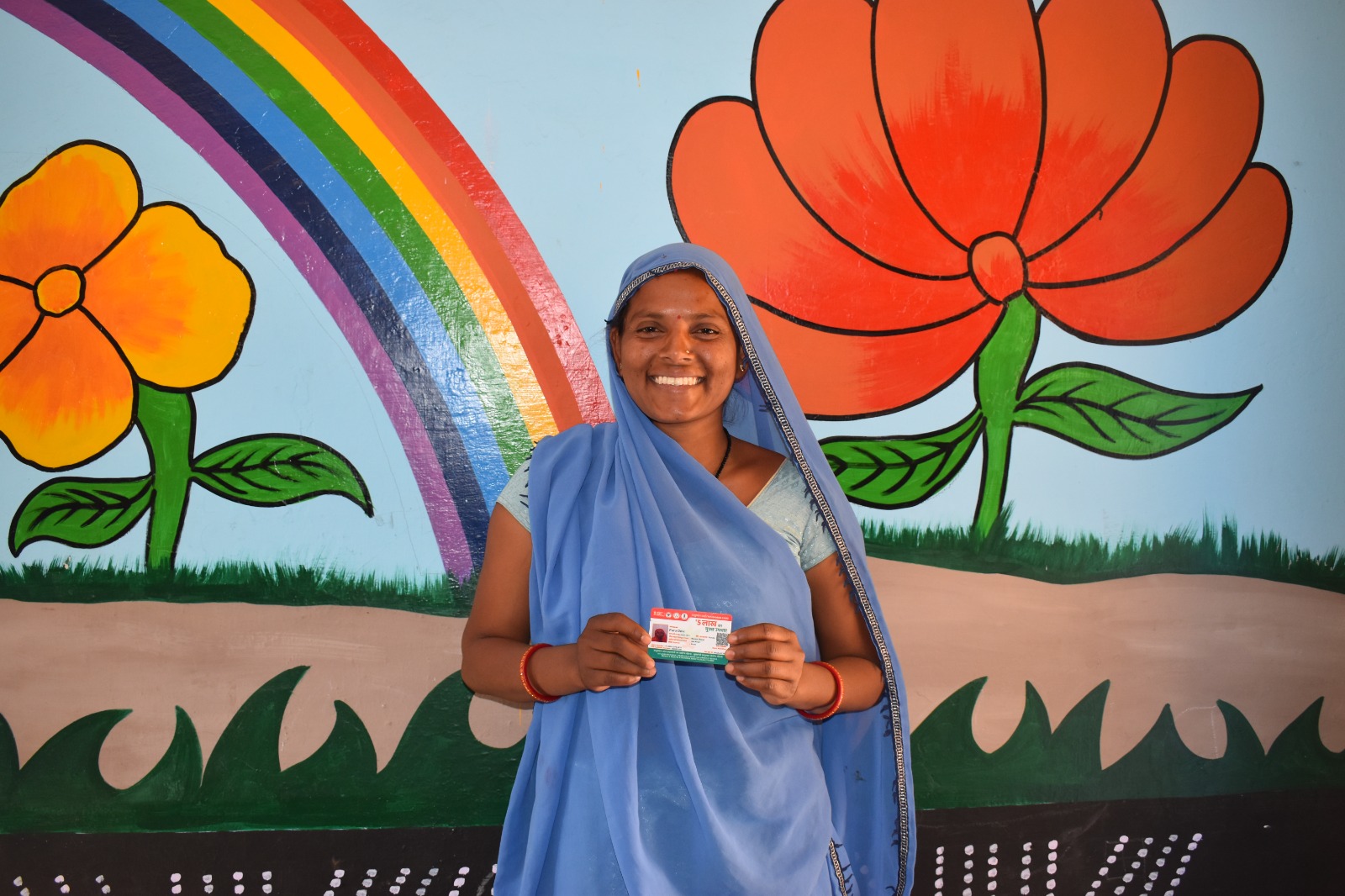
A woman with her card to identify she is eligible for health care in Rajasthan. Credit: WHO India
WHO, through the UHC Partnership, provided extensive technical support to the Rajasthan Health Assurance Agency throughout the process. Initially, a comprehensive exercise mapped health benefit packages used in other Indian states with those being implemented in Rajasthan. This mapping process required meticulous technical alignment because treatment codes, pricing structures, and package definitions differ across states. This also entailed coordination and alignment with State Health Agencies of neighbouring states to ensure a seamless experience for beneficiaries using the portability function.
The exercise, which was technically complex and operationally challenging, produced evidence and recommendations that directly informed the State’s policy response: the need to introduce portability as a critical step for achieving equity and continuity of care under public health insurance to align with national heath goals.
WHO provided support for the creation of an interoperable system in Rajasthan that could seamlessly recognize, match, and authorize inter-state claims in real time.
“The mapping of health benefit packages across states and integrating them into the live IT system was one of the toughest milestones. Once completed, it opened doors for true portability. Now, patients can easily access services in Rajasthan, irrespective of their home state,” said Sumeer Singh Meena, Executive Director (IT), Rajasthan State Health Assurance Agency.
After months of testing, verification, and technical validation, the portability provision was made live on 18th April 2025. This milestone marked a historic moment in Rajasthan’s journey towards promoting equitable healthcare access.
Between April and November 2025, 7 898 patients from outside Rajasthan have accessed treatment under the portability provision amounting to USD 5.63 million worth of healthcare services.
“Thanks to the new portability provision introduced by the Government of Rajasthan, I was able to travel and avail treatment under the same scheme, without paying anything from my pocket […] I am relieved and hopeful again. For me, this is not just medical support, it’s the gift of a second life,” said Santosh, 43, who is receiving treatment for oral cancer.
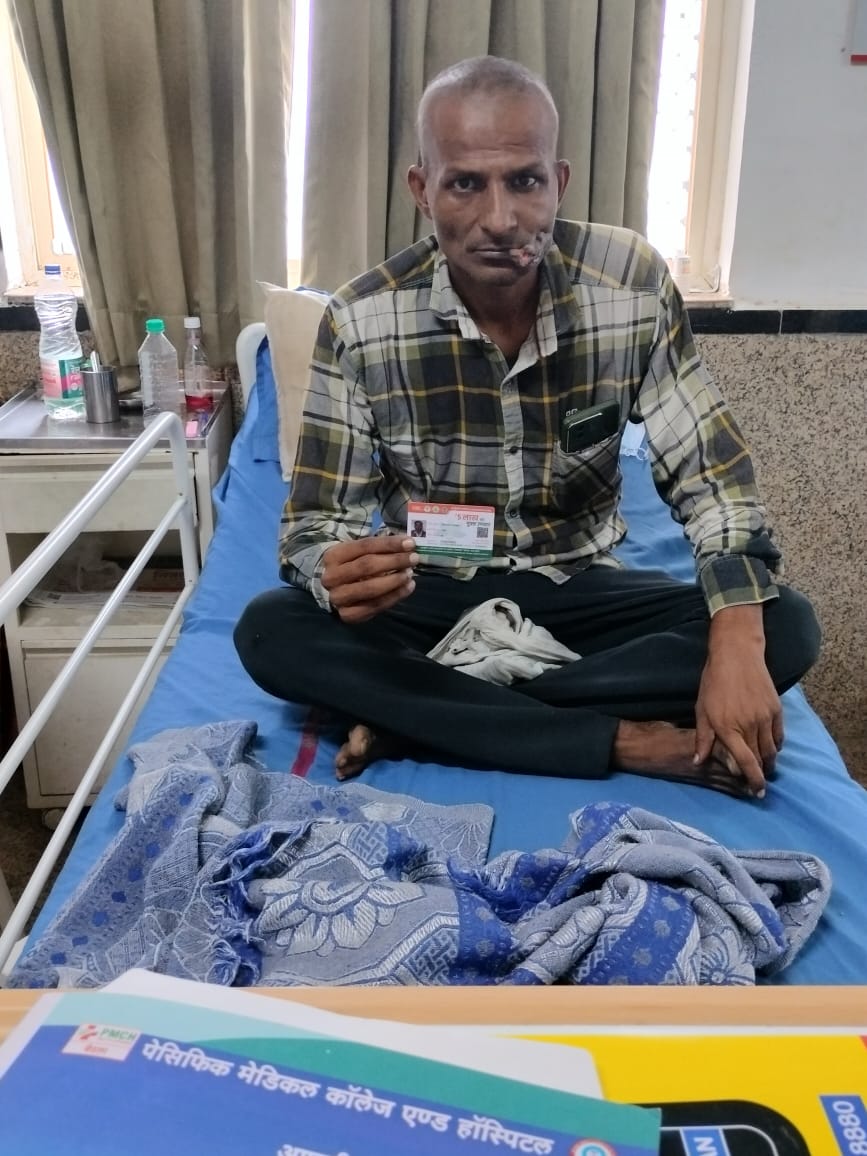
Santosh, 43, who is receiving treatment for oral cancer under portability provision in Rajasthan Credit: WHO India
Patients have started coming to Rajasthan from Assam, Bihar, Chhattisgarh, Delhi, Gujarat, Haryana, Jammu and Kashmir, Jharkhand, Kerala, Madhya Pradesh, Maharashtra, Punjab, Uttar Pradesh, and Uttarakhand. This remarkable shift reflects Rajasthan’s growing reputation as a trusted healthcare destination.
“Portability services were the missing link in ensuring equitable access. Earlier, we would often see patients coming from neighbouring states who were unable to use their scheme benefits. Today, with portability live, people can receive quality treatment without worrying about boundaries or paperwork,” said Nimisha Devda Barmer, District Programme Coordinator.
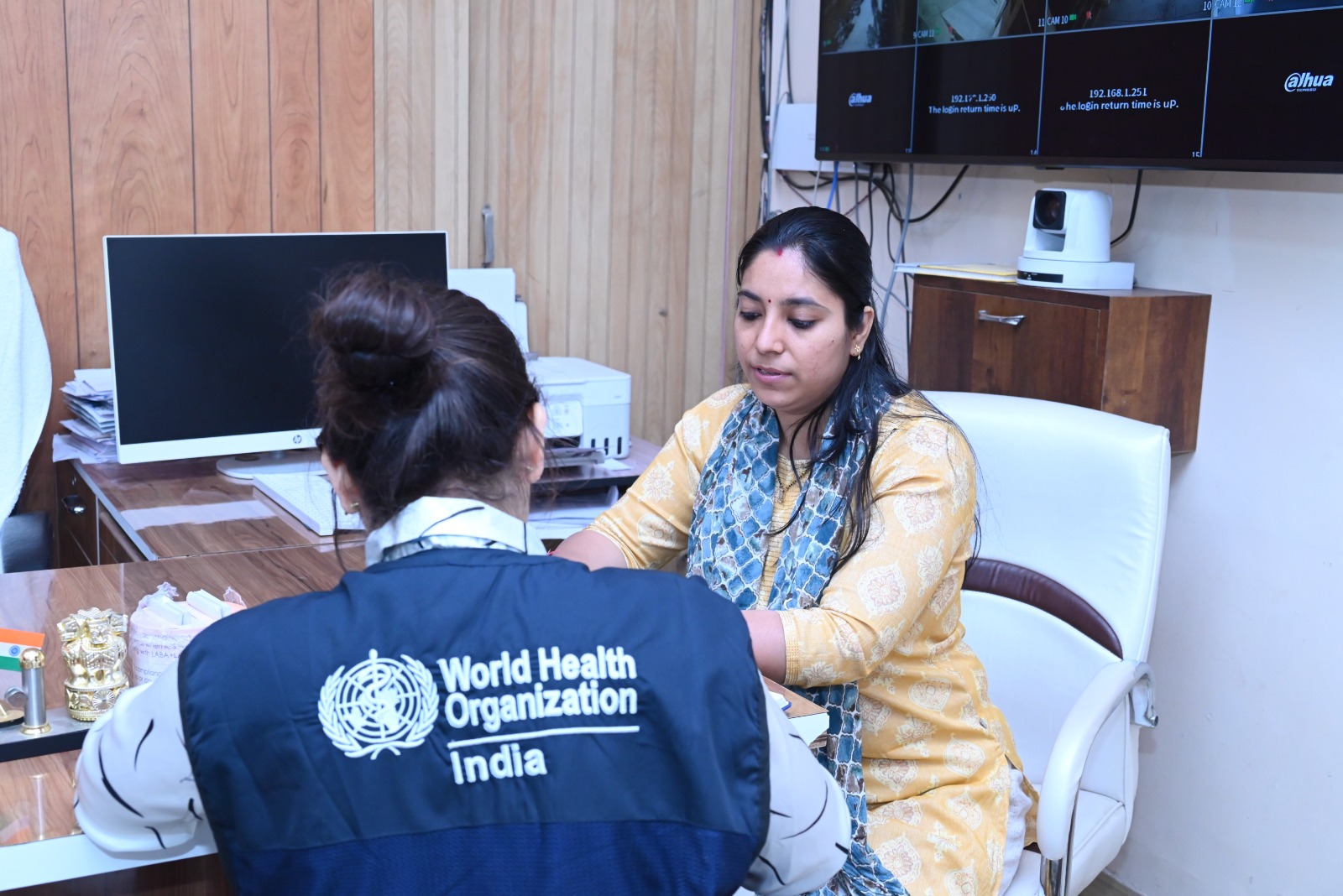
Discussions with the District Programme Coordinator, Barmer on how to improve the scheme uptake. Credit: WHO India
The implementation of portability in Rajasthan has bridged a critical access and equity gap, enabling eligible patients from neighbouring states to receive health services treatment seamlessly. This reform not only strengthens the financial protection architecture of MAA Yojana but also upholds the spirit of UHC ensuring no patient is left behind.
“Rajasthan's efforts to enhance portability for out-of-state beneficiaries is a boon to India's UHC goals. WHO remains committed to contributing to these goals through its sustained support on key policy reforms,” said Ms Payden, WHO Representative to India a.i.