
Barbados has implemented robust mental health reforms to integrate mental health services into PHC with strong community-level support systems in place for patients.
Following COVID-19, Barbados had experienced an increased suicide rate and a surge in mental health cases such as depression, anxiety, and substance use disorders. Mental health patients experience better outcomes in their community than in psychiatric hospitals.
All 9 (100%) of Barbados’s polyclinics nationwide now offer a wide range of mental health services and the dispensation of psychiatric medicine. School literacy programmes a have reached over 4 000 students, and a national mental health helpline received over 6 000 calls in its first year.
The Government, supported by PAHO/WHO, developed a National Mental Health Strategic plan, and undertook legislative changes to align with international best practices. Capacity building at PHC level and community engagement support implementation.
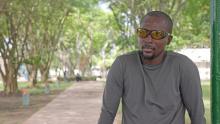
In my early 30s, things started to really get to a point where I wasn't managing the daily functions of my life. A friend of mine, who is a doctor, recommended that I go to my closest polyclinic, speak to the sister in charge there, and she recommend me to the mental health programme. From there, I saw the doctor and did an assessment.
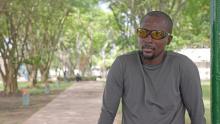
I have to give big, big commendation to the mental health clinic, and the structure of how
the mental health care programme works in Barbados. From my usage of it and my
observation of the professionals who work in it, the system is tremendous.
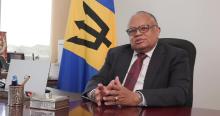
We now have community mental health services in all our clinics. We are providing psychiatrists dedicated to those clinics, community mental health nurses, community health social workers, and community mental health psychologists.

It has been wonderful to have the community teams bolstered by the addition of psychologists and social workers that can help to offer a multidisciplinary approach looking at mental health problems as they should be viewed.
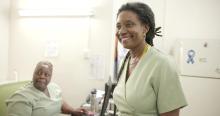
The course was so comprehensive. With the training, I am able to use cognitive behavioural therapies to assist my clients even before they need referrals.
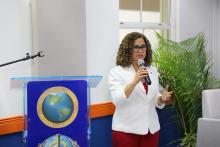
PAHO/WHO remains committed to supporting Barbados in its ongoing mental health transformation, which is a critical component of achieving universal health coverage. The country is advancing a model of care that prioritizes accessibility, upholds human rights, and addresses stigma in a world where mental health needs continue to grow.
Shawn Addison, age 46, who lives in Barbados, noticed his mental health problems initially in his teenage years. He struggled with staying focused, withdrew after socialising, and did not feel like he was in full control of how his brain worked.
“In my early 30s, things started to really get to a point where I wasn't managing the daily functions of my life. A friend of mine, who is a doctor, recommended that I go to my closest polyclinic, speak to the sister in charge there, and she recommend me to the mental health programme. From there, I saw the doctor and did an assessment,” said Shawn
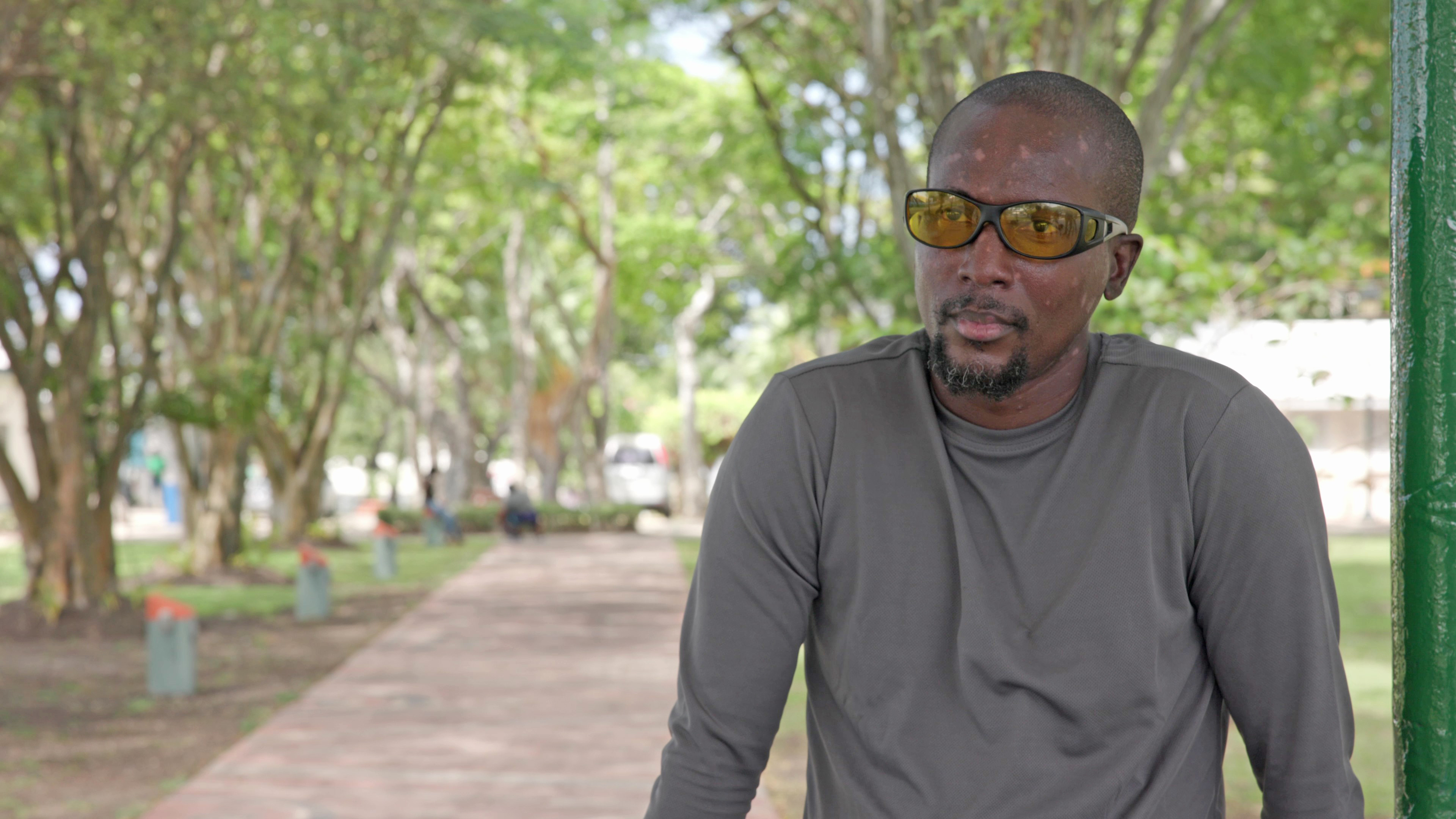
Shawn Addison, mental health patient in Barbados © PAHO/WHO Barbados
Shawn was diagnosed with bipolar disease. He was initially reluctant to take medication, but with encouragement he started on a low dose with positive effects and began therapy. Twelve years later, Shawn regularly visits doctors and nurses at his local polyclinic and gets his medication there.
“I have to give big, big commendation to the mental health clinic, and the structure of how the mental health care programme works in Barbados. From my usage of it and my observation of the professionals who work in it, the system is tremendous. Anyone that is experiencing difficulty can go to their neighbourhood polyclinic,” said Shawn.
Shawn’s experience demonstrates the power of embedding mental health services in community settings and ensuring they are accessible, easy-to-use, and effective over the long-term. Across the nation, thanks to the Government’s robust efforts to strengthen mental health care, the whole population of Barbados is now able to access mental health services in all polyclinics.
The population of Barbados is facing increasing mental health challenges with depression, anxiety, and substance use disorders among the leading causes of disability. Exacerbated by the impact of the COVID-19 pandemic, the Ministry of Health and Wellness has reported increased suicide rates in 2022/2023 and a surge in mental health cases.
Recognising the urgency, the Government of Barbados, with support from PAHO/WHO, embarked on a comprehensive reform to further integrate mental health into primary health care (PHC), engage with communities, and strengthen community-level support systems. This underscores Barbados’s commitment to achieving universal health coverage (UHC), or universal health as it is known in the Americas Region.
PAHO/WHO, through the UHC Partnership, has supported the reform’s strategic activities including policy development and legislative updates, capacity building for PHC staff, community engagement activities, and expanding resources for new mental health staff positions.
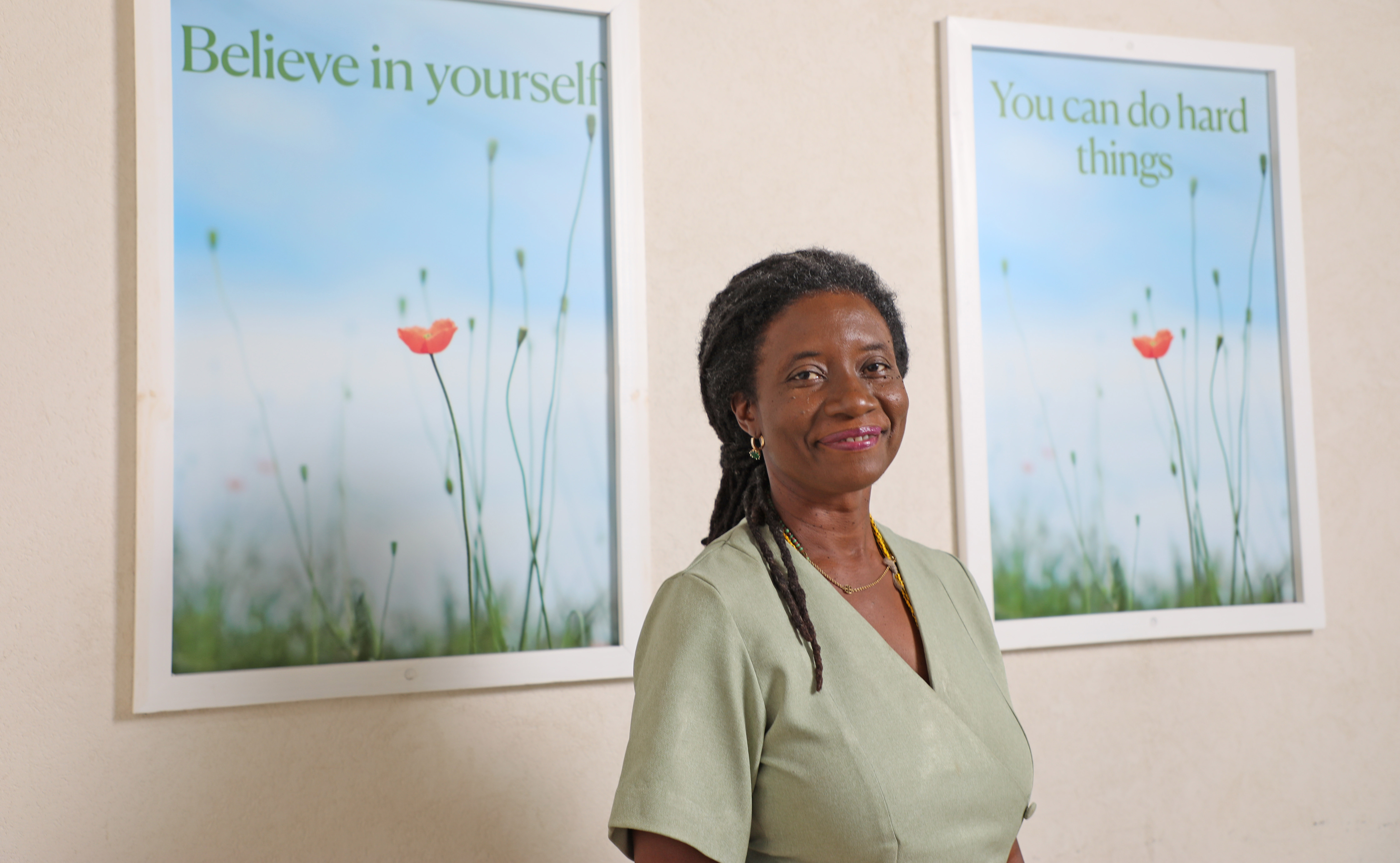
Mechell Marshall, Public Health Nurse, Barbados © PAHO/WHO Barbados
The activities have led to measurable improvements and transformative outcomes for mental health in Barbados. Today 100% of polyclinics nationwide offers a wide range of mental health services, along with psychiatric medicines and more people are accessing services and benefitting from community engagement activities than ever before.
“To achieve universal health, there must be coverage, and we must involve the provision of mental health services. In Barbados, we are seeking to reform the whole process of mental health care provision to move away from the old tradition [of psychiatric hospitals] and we are moving services into our communities. We now have community mental health services in all our clinics. We are providing psychiatrists dedicated to those clinics, community mental health nurses, community health social workers, and community mental health psychologists,” said Senator Dr The Most Honourable Jerome Walcott, Minister of Health and Wellness.
The UHC Partnership operates in over 125 countries, representing over 3 billion people. It is supported and funded by Belgium, Canada, the European Union, France, Germany, Ireland, Luxembourg, Japan, the United Kingdom of Great Britain and Northern Ireland, and WHO.
Across the world, evidence shows that people with mental illness have better health outcomes when their care is community based. Assessing and treating people in their community settings allows health professionals to see patients in their own environment and understand the strengths and weaknesses that they have in relation to their home and community contexts. Importantly, the integration of mental health into PHC reduces the need for admission at psychiatric hospitals which contribute to stigma reduction.
A multi-disciplinary team of health and social care workers are now engaged throughout the provision of mental health services across Barbados.
“It has been wonderful to have the community teams bolstered by the addition of psychologists and social workers that can help to offer a multidisciplinary approach looking at mental health problems as they should be viewed. Not just as biological problems requiring the use of medication but addressing them through psychological interventions and social interventions bringing family, community and support systems into play. People can then get that optimal mix of services, and can actually be supported, not just by us as mental health teams, but by their communities. That is the direction we've been moving in, and I've seen tremendous improvement in a lot of our clients,” said Dr Jo-Anne Braithwaite-Drummond, Consultant Psychiatrist.
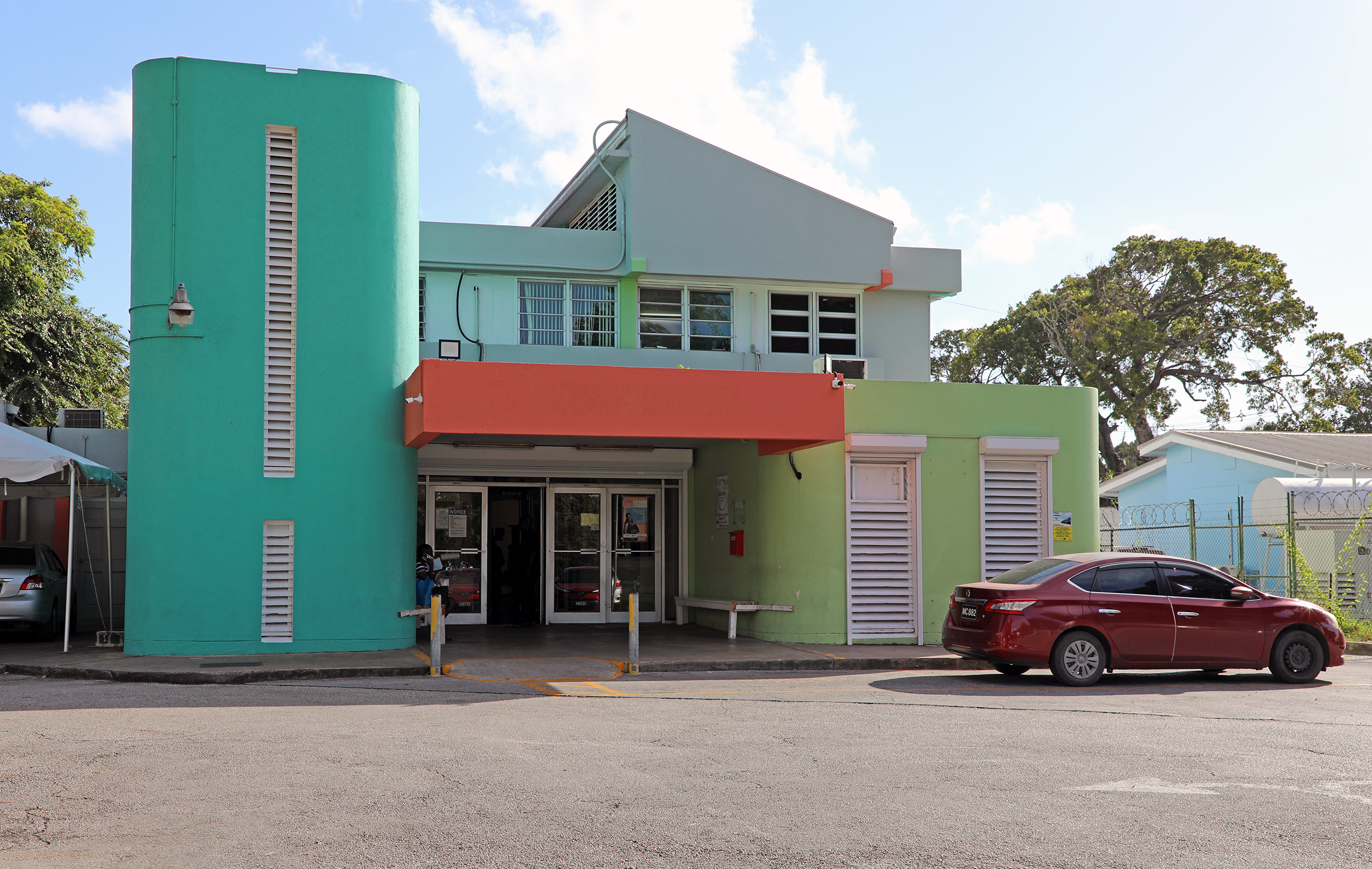
Sir Winston Scott Polyclinic, Barbados which provides mental health services in the community © PAHO/WHO Barbados
In collaboration with the Ministry of Health and Wellness, PAHO/WHO, through the UHC Partnership, provided support to strengthen mental health systems in four key areas.
In the area of policy development and legislative updates, PAHO/WHO supported the development of a National Mental Health Strategic Plan with a roadmap for implementation until 2030 that prioritises access and equity. Updates to mental health legislation incorporated international best practices to safeguard human rights. These were accomplished through full and active participation of stakeholders across the board including youths. The Ministry of Health and Wellness, with PAHO/WHO support, also developed and launched the perinatal mental health programme plan of action, and launched the anti-stigma, suicide prevention, workplace wellness and psychological first aid action plans, currently at different stages of implementation.
In relation to capacity building, over 200 PHC staff were trained in the WHO Mental Health GAP programme to integrate mental health into primary care.
“The course was so comprehensive. With the training, I am able to use cognitive behavioural therapies to assist my clients even before they need referrals. Since implementing the Mental Health Gap guidelines in practice, it has been completely fantastic. I have a greater level of confidence as to who needs a referral and what I can do as a practitioner,” said Mechell Marshall, Public Health Nurse.
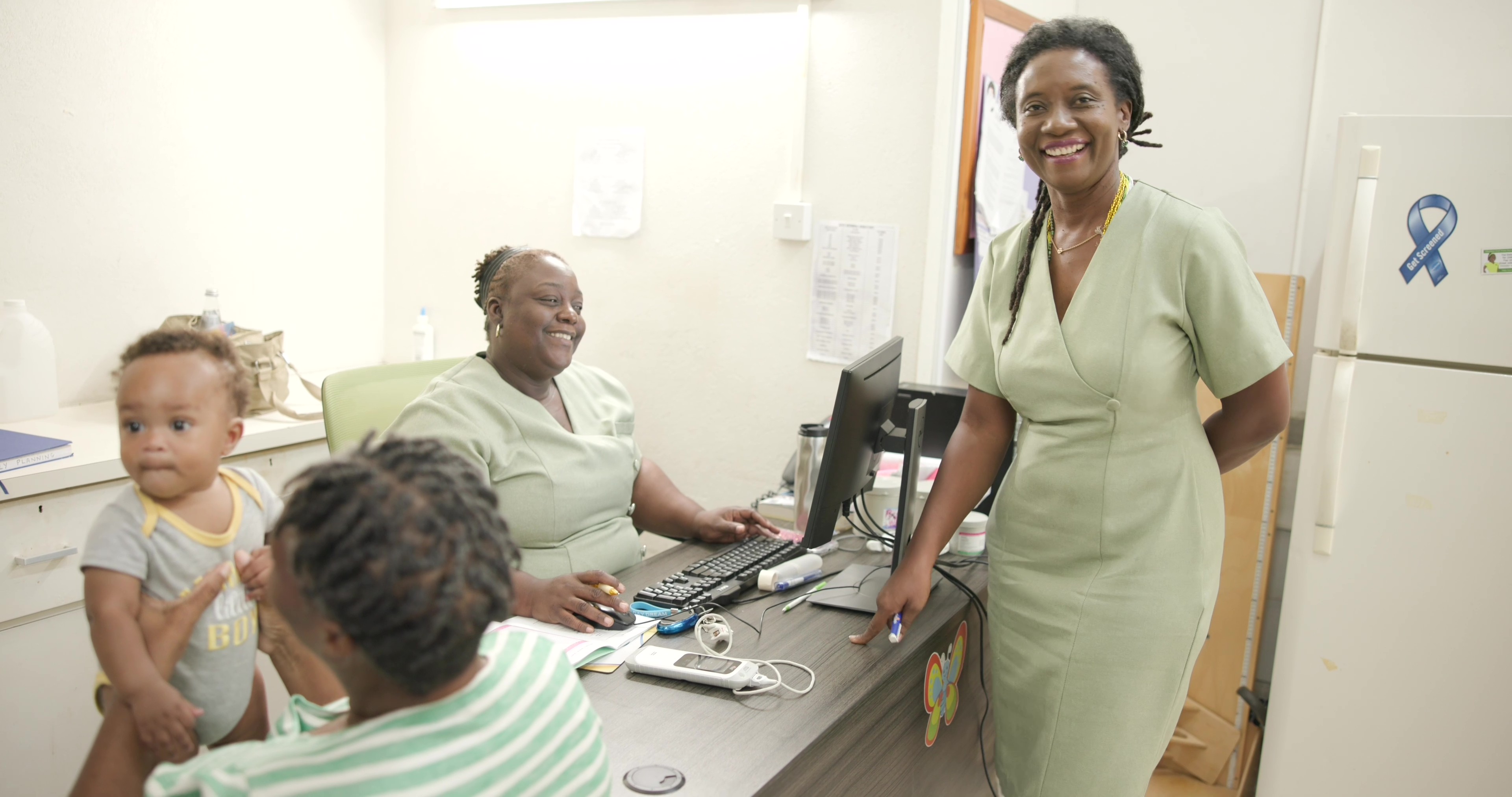
Mechelle Marshall, Public Health Nurse with a colleague and patients in a polyclinic, Barbados © PAHO/WHO Barbados
PAHO/WHO also supported the development of the perinatal mental health programme to integrate mental health into maternal and child health services according to WHO guidelines. The current midwifery training programme also includes an element of mental health. PAHO/WHO supported the training and provision of guidelines to media professionals to ensure responsible reporting of suicide and reducing contagion effects.
The Government has expanded resources available for mental health and created new positions for social workers and psychologists to address community-level needs.
Community engagement has been a strong feature of the strategic activities. In February 2024 the Government established a national mental health helpline, providing direct support to individuals in crisis. Between February 2024 and May 2025, the hotline received 6,572 calls with 40% of calls from young people age 18 and younger.
The Government, with support from PAHO/WHO, introduced the school-based mental health literacy programme and trained 200 teachers, school counsellors, education officers and senior school executive. Literacy sessions reached over 4 000 students, equipping them with tools to manage stress and seeking help. Mental health is embedded into curricula and standardized protocols are established.
Regular monitoring and feedback loops have played a critical role in refining approaches, and the tangible benefits of these efforts are now being realized at the community level.
“The support is there. I can vouch for the quality of the support. I personally recommend the public health system, the polyclinics,” said Shawn Addison.
Shawn’s testimony demonstrates the power of Barbados’s mental health reforms towards integrated, community-based approaches that ensure patients get appropriate and effective treatment and support over the long-term. The accessibility of services at community level ensures equity and reduces stigma and discrimination through patient-centred approaches.
Barbados has ensured that these changes are sustainable, through the strategic national mental health plan coupled with legislative changes aligned with international best practices.
“PAHO/WHO remains committed to supporting Barbados in its ongoing mental health transformation, which is a critical component of achieving universal health coverage. The country is advancing a model of care that prioritizes accessibility, upholds human rights, and addresses stigma in a world where mental health needs continue to grow. The resolution on mental health adopted by PAHO Member States last year provides a clear framework for such action, and Barbados exemplifies accelerated national efforts to translate this commitment into tangible progress,” said Dr Amalia Del Riego Abreu, PAHO/WHO Representative for Barbados and the Eastern Caribbean, the United Kingdom overseas territories.