
UHPR Activities
The Activities tab showcases a comprehensive list of activities that have been conducted, offering users the flexibility to sort them by region, country, year, and other relevant criteria.
The Activities tab showcases a comprehensive list of activities that have been conducted, offering users the flexibility to sort them by region, country, year, and other relevant criteria.
UHPR
The Universal Health and Preparedness Review (UHPR) is a voluntary, transparent, Member State-led peer review mechanism, that aims to establish a regular intergovernmental dialogue between Member States on their respective national capacities for health emergency preparedness. It is a game-changing platform to support collective actions at the national and global level that will make the world safer, based on the principles of equal treatment and mutual accountability.
UHPR
The Universal Health and Preparedness Review (UHPR) is a voluntary, transparent, Member State-led peer review mechanism, that aims to establish a regular intergovernmental dialogue between Member States on their respective national capacities for health emergency preparedness. It is a game-changing platform to support collective actions at the national and global level that will make the world safer, based on the principles of equal treatment and mutual accountability.
National Workshops
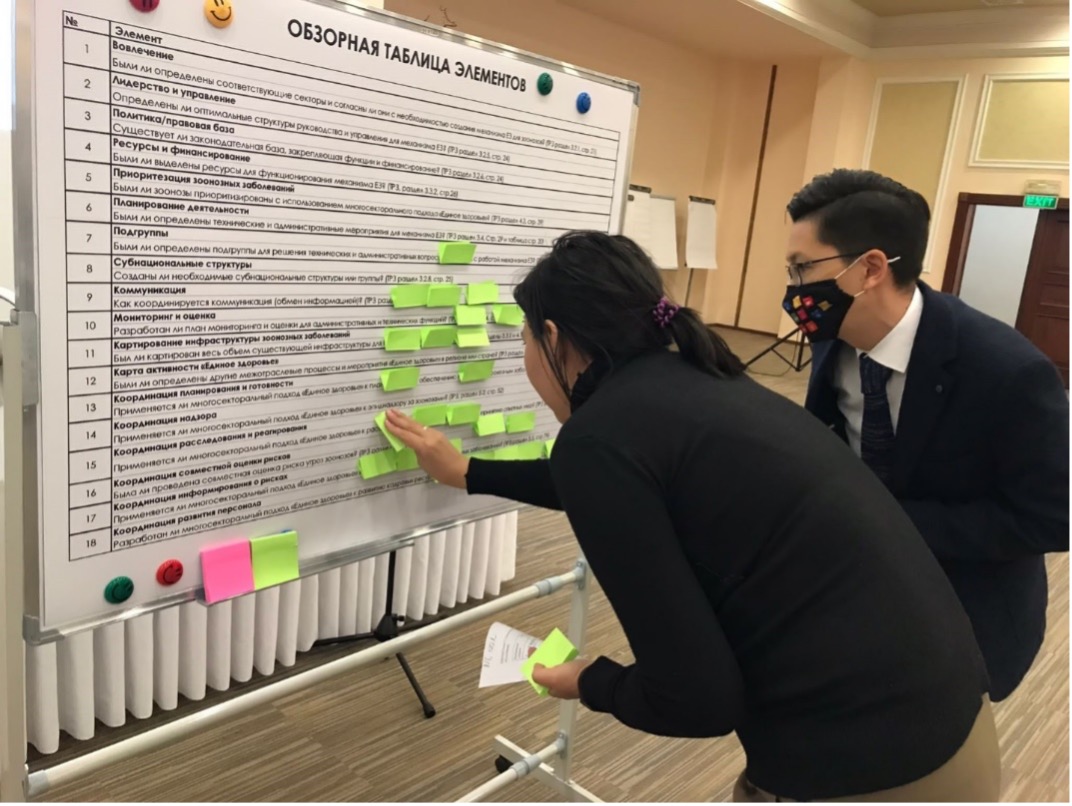
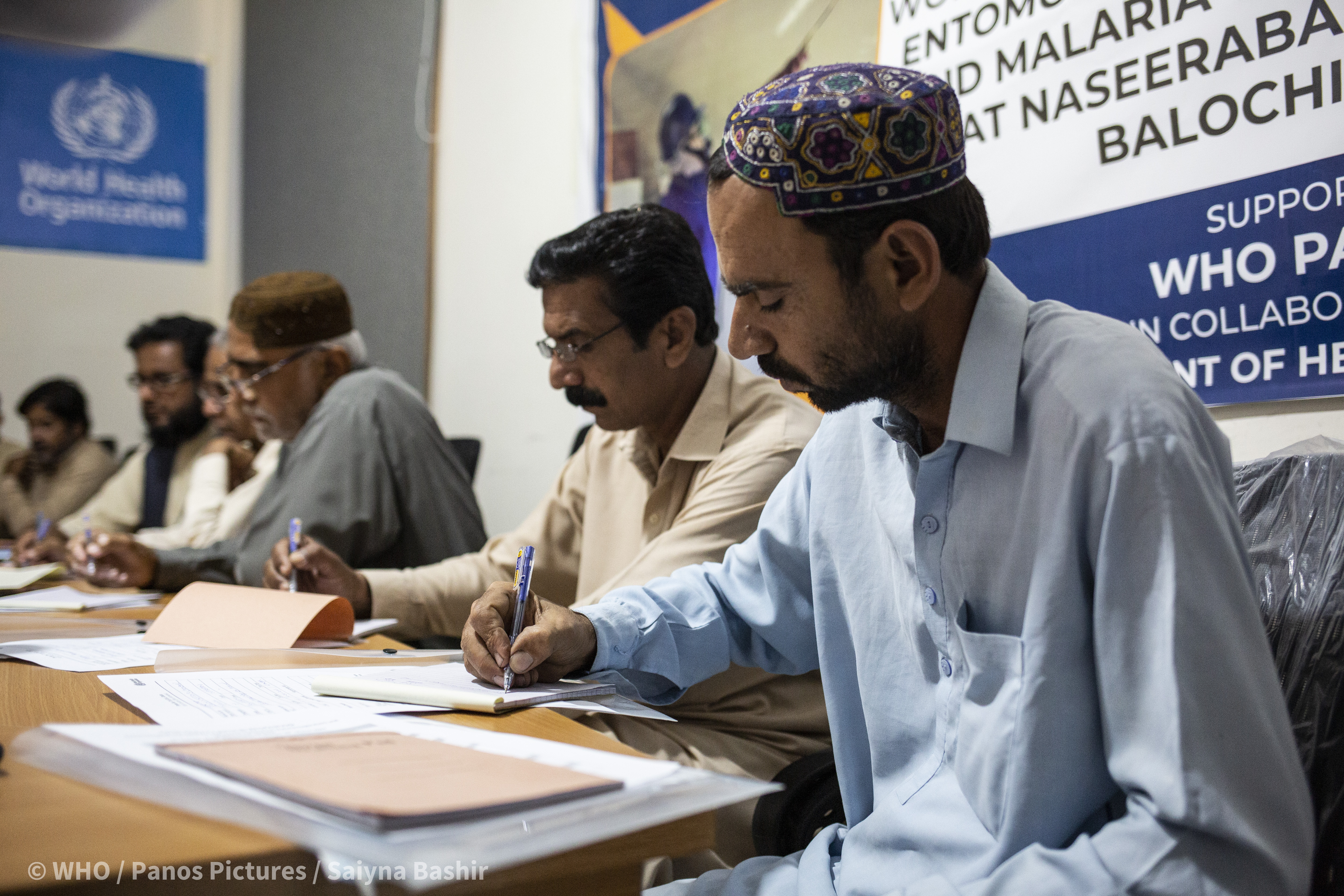
The national workshops on civil-military collaboration aim to strengthen health security preparedness by fostering effective partnerships between civilian and military sectors. These workshops are designed to enhance the capacity of countries to respond to health emergencies by utilizing the Civil-Military Health Security Mapping (CMAP) Tool and the National Civil-Military Health Collaboration Framework (NCF). Participants, including representatives from key ministries and national institutions, engage in capacity mapping, scenario exercises, and strategic discussions to identify gaps and develop coordinated response plans. The workshops emphasize the importance of a multisectoral approach, integrating public health and military resources to build resilient health systems capable of addressing diverse emergencies. Through these efforts, countries aim to improve their preparedness and response capabilities, ensuring a comprehensive and coordinated approach to health security.
Tbilisi, Georgia | 17-18 July 2023
The first national workshop in Tbilisi, Georgia, focused on strengthening civil-military collaboration for health security. This groundbreaking event brought together over 30 participants, including representatives from the Ministries of Health, Defence, and Interior, as well as the National Center for Disease Control and Public Health. The workshop emphasized the need for multisectoral preparedness, drawing lessons from the COVID-19 pandemic to enhance national preparedness capacities.
Kathmandu, Nepal | 08-09 October 2023
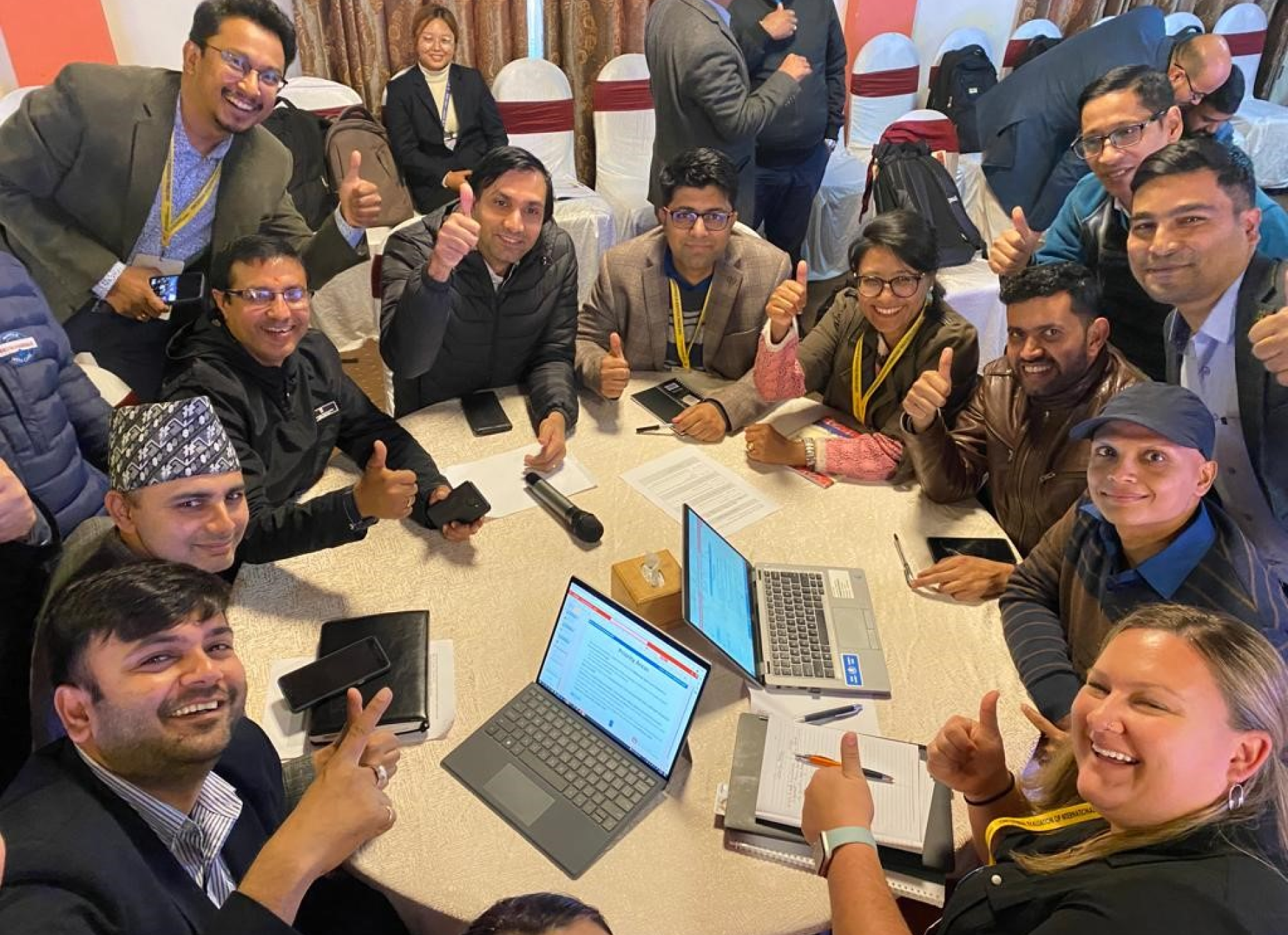
In Kathmandu, Nepal, a workshop aimed at enhancing health emergency preparedness was held, highlighting the critical collaboration between the public health sector and security agencies. The event featured high-level participants from various ministries and institutions, including the Nepalese Ministry of Health and Population, the Armed Forces, the Police, and the Armed Police, underscoring the commitment to a collaborative approach. The workshop marked a significant step in strengthening Nepal’s health security infrastructure.
Related Documents:
National Workshop on collaboration between Public health, Nepal Army, Nepal Police and Armed Police Force to strengthen Health Emergency Preparedness - https://heoc.mohp.gov.np/uploads/publications/file/66792f0bab8ab.pdf
Velingrad, Bulgaria | 12-13 October 2023
The workshop in Velingrad, Bulgaria, marked a pivotal moment in civil-military collaboration for health security. Attended by the Ministry of Health and Ministry of Defence, this event explored synergies and mapped civil-military capacities in line with International Health Regulations (IHR, 2005). The event also highlighted Bulgaria's commitment to integrating WHO's support into their health security preparedness strategies.
During the 73rd Regional Committee Meeting of the WHO European Region, the Deputy Minister of Health of Bulgaria highlighted the civil-military collaboration workshop in Velingrad, emphasizing its contribution to strengthening health emergency preparedness, particularly through the use of the CMAP tool and the mapping exercise conducted in October 2023.
Related Documents:
RC73 Day 3: Health Emergency Preparedness, Response and Resilience (Preparedness 2.0) - https://www.youtube.com/watch?v=3eIDAXrSfuw&list=PLL4_zLP7J_miHTA7-7yD9kbxiwtc264IK&index=16
Yerevan, Armenia | 16-17 October 2023
Armenia's national workshop in Yerevan concentrated on improving health emergency preparedness through enhanced civil-military collaboration. The event gathered over 20 representatives from various sectors, including the health and defence sectors. The workshop emphasized the importance of establishing multisectoral task forces to strengthen civil-military collaboration and enhance health emergency preparedness.
Baku, Azerbaijan | 19-20 October 2023
In Baku, Azerbaijan, the workshop highlighted significant advancements in health security preparedness through the use of the CMAP tool. The Ministry of Health and Ministry of Defense expressed gratitude to the WHO for facilitating the workshop, which provided crucial insights into strengthening Azerbaijan’s health emergency preparedness and underscored the need for enhanced coordination mechanisms.
Bucharest, Romania | 21-22 February 2024
The national workshop in Bucharest focused on enhancing civil-military collaboration for health emergency preparedness. Key ministries, including Health, National Defence, and Internal Affairs, along with the National Institute of Public Health, gathered to address the nation's readiness for health crises. The workshop utilized the CMAP tool to map capabilities and identify areas for improvement in joint response efforts.
Colombo, Sri Lanka | 01-02 April 2025
The national workshop in Colombo brought together key actors from the health and defence sectors to strengthen civil-military collaboration for health emergency preparedness. The workshop focused on identifying priority areas for joint action aligned with the International Health Regulations (2005), including surveillance, response coordination, and capacity building. It marked a critical step in fostering operational partnerships and enhancing Sri Lanka’s readiness to respond to health emergencies through a multisectoral approach.
Port Moresby, Papua New Guinea | 30 April - 02 May 2025
The national workshop in Papua New Guinea marked the first such workshop in the WHO Western Pacific Region, showcasing strong collaboration between the National Department of Health and the Papua New Guinea Defence Force. The event enabled the identification of joint priorities across key areas such as legal frameworks, laboratory and surveillance, health service provision, and human resources. It resulted in the development of a detailed roadmap for cross-sectoral action, with a strong emphasis on preparedness, trust-building, and joint training. The workshop laid a solid foundation for long-term civil-military collaboration to strengthen the country’s health emergency preparedness.
Regional Workshops
The regional workshops on civil-military collaboration provide a platform for countries to exchange experiences, strengthen cross-sectoral coordination, and enhance health security preparedness at a broader scale. These workshops bring together representatives from multiple nations, fostering dialogue on best practices, challenges, and strategic approaches to integrating civilian and military resources for emergency response. Participants engage in discussions on policy frameworks, operational coordination, and the use of the Civil-Military Health Security Mapping (CMAP) Tool. These workshops foster knowledge sharing and regional cooperation, strengthening a coordinated approach to health security.
Bucharest, Romania | 7-9 June 2022
The Regional Civilian and Military Health Security Socialization Workshop in Bucharest gathered 32 participants from six countries to strengthen civil-military collaboration for health emergency preparedness. Hosted by the Romanian Ministry of Internal Affairs and organized by WHO Regional Office for Europe, the workshop facilitated discussions on national experiences, the CMAP Tool, and the development of a compendium of practice. Key outcomes included enhanced cross-sectoral coordination, recognition of legislative and operational challenges, and commitments from Member States to advance national-level activities. The workshop provided a platform for sharing insights, building partnerships, and reinforcing preparedness strategies.
Copenhagen, Denmark | 10-11 April 2024
A regional workshop in Copenhagen brought together over 35 participants from 11 countries, focusing on bolstering civil-military collaboration for health emergency preparedness. The event was organized by WHO Headquarters and its Regional Office for Europe, featuring countries' experiences with the CMAP Tool and identifying priority areas for strengthening coordination. Key outcomes included enhanced communication strategies, recognition of the critical role of military support in public health, and the need for comprehensive preparedness extending to local and regional levels. The workshop served as a platform for sharing insights, developing strategies, and building partnerships to advance health security through effective civil-military collaboration.
Related Documents:
Regional workshop on advancing civil–military collaboration to strengthen health emergency preparedness: meeting report, 10–11 April 2024, Copenhagen, Denmark - https://iris.who.int/handle/10665/379622?search-result=true&query=regional+workshop+copenhagen+civil-military+collaboration&scope=%2F&rpp=10&sort_by=score&order=desc
The work on advancing civil-military collaboration for health emergency preparedness began in 2017 with a global meeting in Jakarta, Indonesia, which brought together over 160 representatives from the public health and security sectors across more than 50 countries. This meeting underscored the importance of strengthening collaboration between civilian and military health services and, critically, resulted in a clear mandate from Member States to WHO to develop guidance to support such collaboration at the national level.
Building on this momentum, a technical consultation was convened in Hong Kong SAR, China, in December 2018, further shaping the scope and focus of the guidance. These early milestones laid the foundation for the development of the NCF and of the CMAP Tool.
In June 2023, WHO hosted a global consultation in Geneva, Switzerland, with key public health and military stakeholders, where findings from in-depth research on national and regional experiences, including lessons from COVID-19, were presented. This research informed a draft compendium of good practices and key elements for effective civil-military collaboration in preparedness.
The two-day meeting held on 13–14 June 2023 in Geneva, Switzerland brought together over 50 participants, including representatives from ministries of health and defence, international organizations and other stakeholders. The goal was to validate the draft Compendium of Practice to inform Regional and National Civil-Military Collaboration for Health Emergency Preparedness: Guidance Document and advance civil-military collaboration for health emergency preparedness, with a focus on lessons learned from COVID-19. Key objectives included validating the research findings, gathering input on case studies and exploring how WHO and partners could further support countries in implementing the National civil-military health collaboration framework for strengthening health emergency preparedness (NCF): WHO guidance document. This framework is designed to enhance coordination between public health and security authorities to improve national and regional health emergency preparedness.
The sessions included presentations on research findings from the Johns Hopkins Center for Health Security and Chatham House, which outlined the methodology for data collection and the core themes of civil-military collaboration, such as institutional infrastructure, capabilities, legislation, communication and funding. Participants also engaged in moderated discussions, breakout groups and panel discussions to assess strategies for improving cross-sector collaboration and advancing preparedness efforts.
The meeting emphasized the need for regular cross-sector training, legislative frameworks and a clear division of roles between civilian and military sectors. Additionally, it highlighted the importance of communication pathways and securing dedicated funding to promote sustainable collaboration. Participants also recognized the role of cities in health security, the value of regional cooperation and the importance of addressing workforce challenges through collaborative planning.
In conclusion, the meeting underscores the necessity of strengthening civil-military partnerships for health security, as well as the importance of regular interaction, joint training and legislative support to ensure effective preparedness for future health emergencies. The full meeting report can be accessed here: https://iris.who.int/items/ca1b6599-af33-419f-a8e1-6331bb125a93
Advancing national civil-military collaboration to strengthen health emergency preparedness
Civil-military collaboration can play a unique and powerful role in strengthening health emergency preparedness through its various capacities and capabilities such as logistical support, medical and public health expertise, clinical facilities, and coordination. The online course provides public health and military stakeholders with guidance on establishing, advancing, and maintaining collaboration to enhance national health emergency preparedness.
This course, available on the OpenWHO, describes the role effective civil-military health collaboration has in fortifying health emergency preparedness and health security.
Guidance document
While there is guidance and examples of the benefits of civilian–military collaboration, such efforts are often focused on response operations. There is a general lack of guidance on how to implement or further strengthen civilian–military collaboration with a focus on health emergency preparedness. Furthermore, scant documented evidence exists on how countries have involved military actors in supporting a breadth of health interventions as part of efforts to strengthen preparedness for health emergencies, particularly from a national perspective.
CMAP
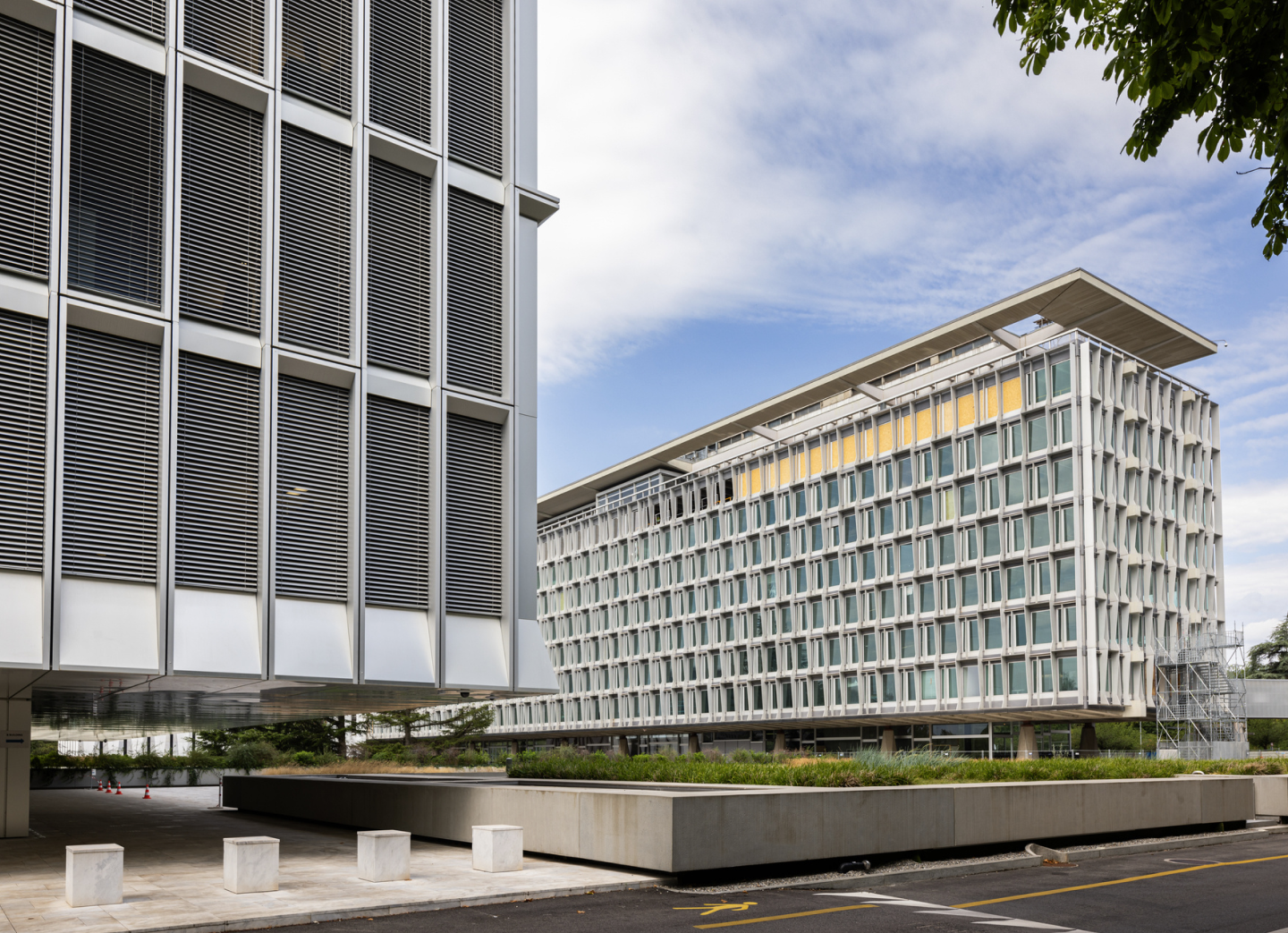
In line with the International Health Regulations (IHR, 2005), in contribution to the IHR Monitoring and Evaluation Framework (MEF), and particularly in support of enhancing country capacities under the Joint External Evaluation (JEE) indicator R2 “Linking public health and security authorities”, the Civil-Military Health Security Mapping (CMAP) Tool provides an overview of civil-military health emergency capacities and capabilities and respective gaps at both national and sub-national levels related to the IHR core capacities.
NCF Framework
Lorem ipsum dolor sit amet, consectetur adipiscing elit, sed do eiusmod tempor incididunt ut labore et dolore magna aliqua. Ut enim ad minim veniam, quis nostrud exercitation ullamco laboris nisi ut aliquip ex ea commodo consequat.
CIVIL-MILITARY
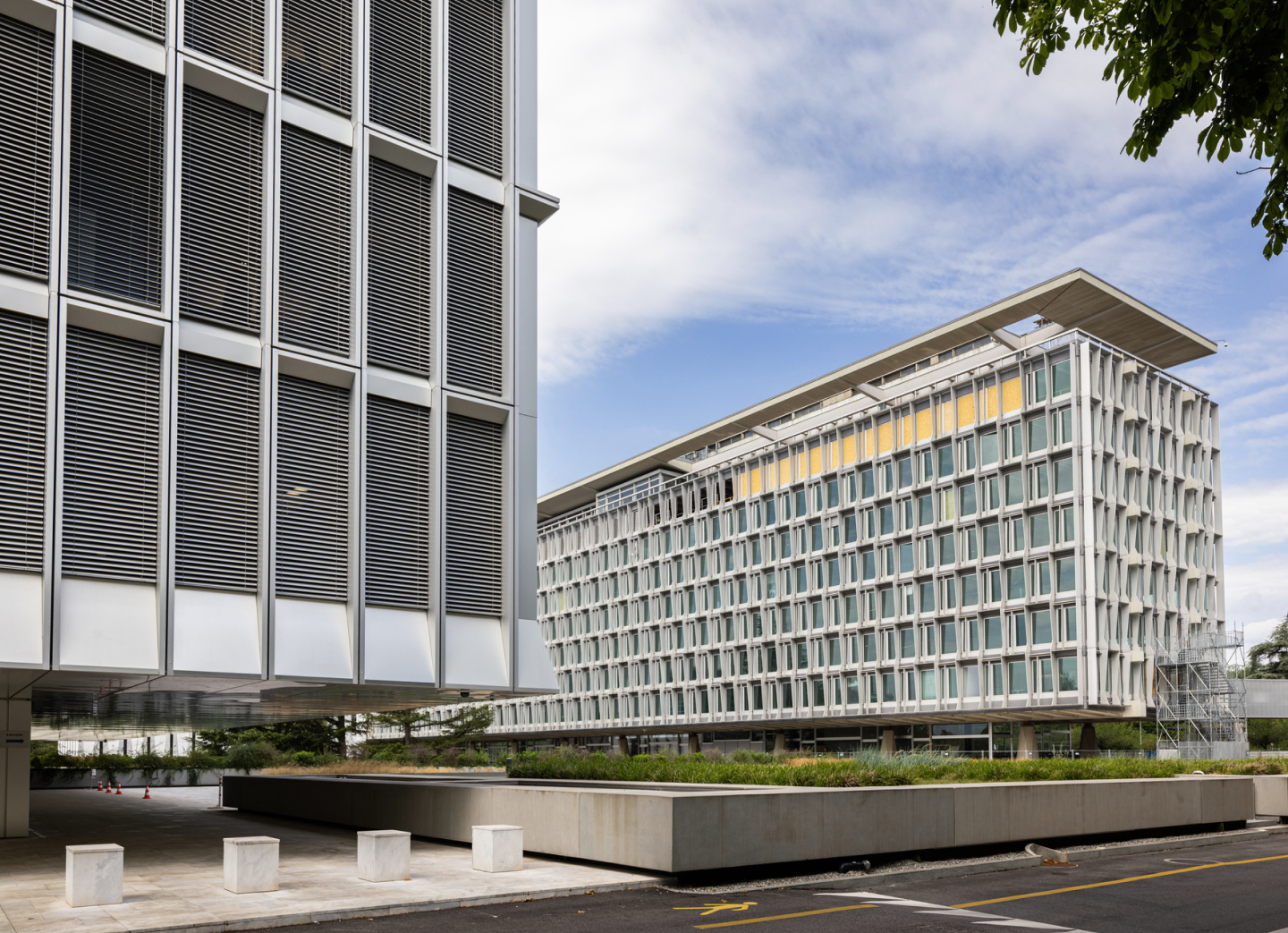
The role of military assistance in responding to natural and environmental disasters, including chemical, radioactive, and nuclear incidents, has been long established. While traditionally not considered a primary partner in disease outbreak responses, the military played a crucial role in various outbreaks during recent years, demonstrating the benefits of civil-military collaboration.
REPREP
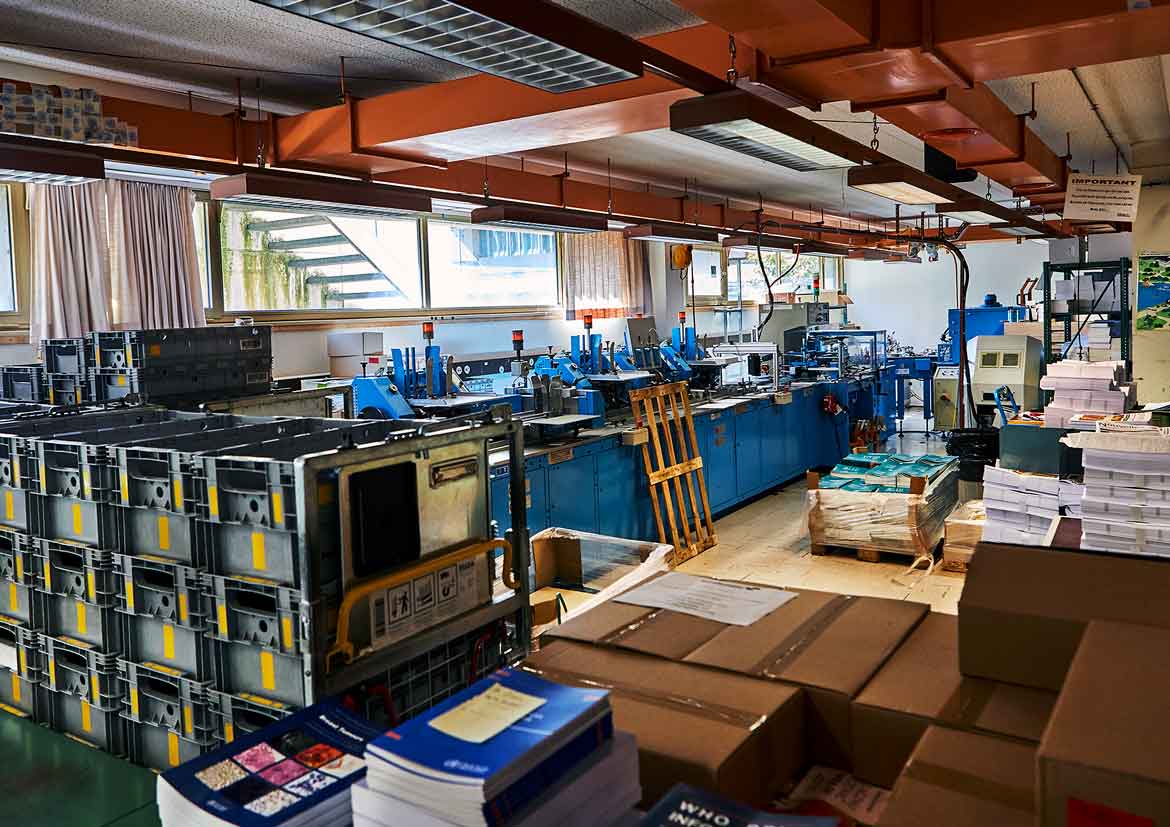
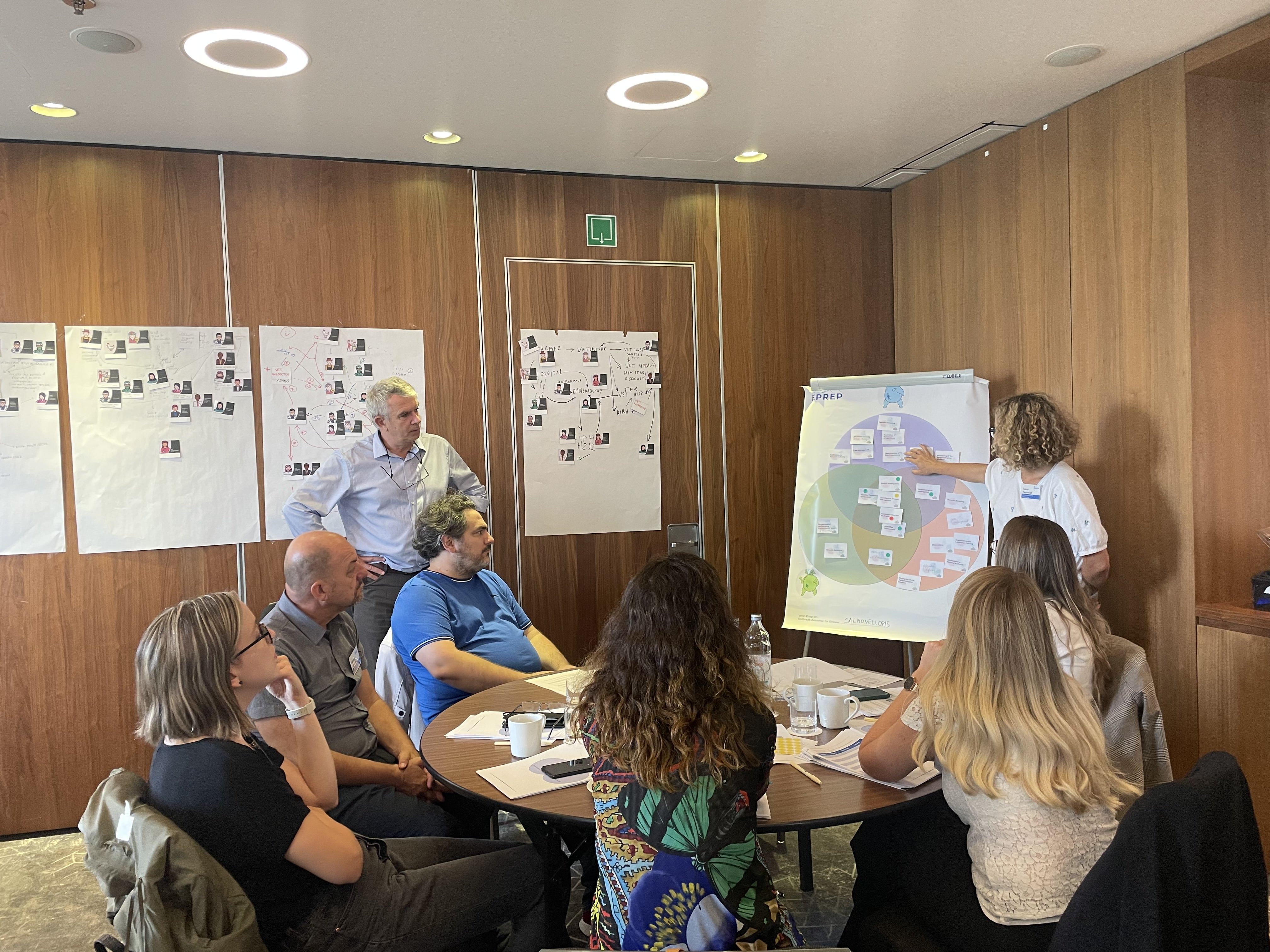
Zoonotic diseases are transmitted between animals and people and impact health, livelihood, and national and global health security. Effectively responding to zoonotic disease outbreaks requires structured coordination between ministries and agencies in charge of human health, animal health, and the environment. However, during an emergency, there is usually limited time to organize the response and each sector tends to work independently. Using returns of experience from multiple outbreak responses, WHO, in collaboration with FAO and WOAH developed the Response Preparedness programme (REPREP) to support countries in developing a multisectoral outbreak response framework. An operational joint outbreak response plan facilitates a collaborative, joint approach to zoonotic disease outbreaks with a clear distribution of roles and responsibilities.
M&E-OT
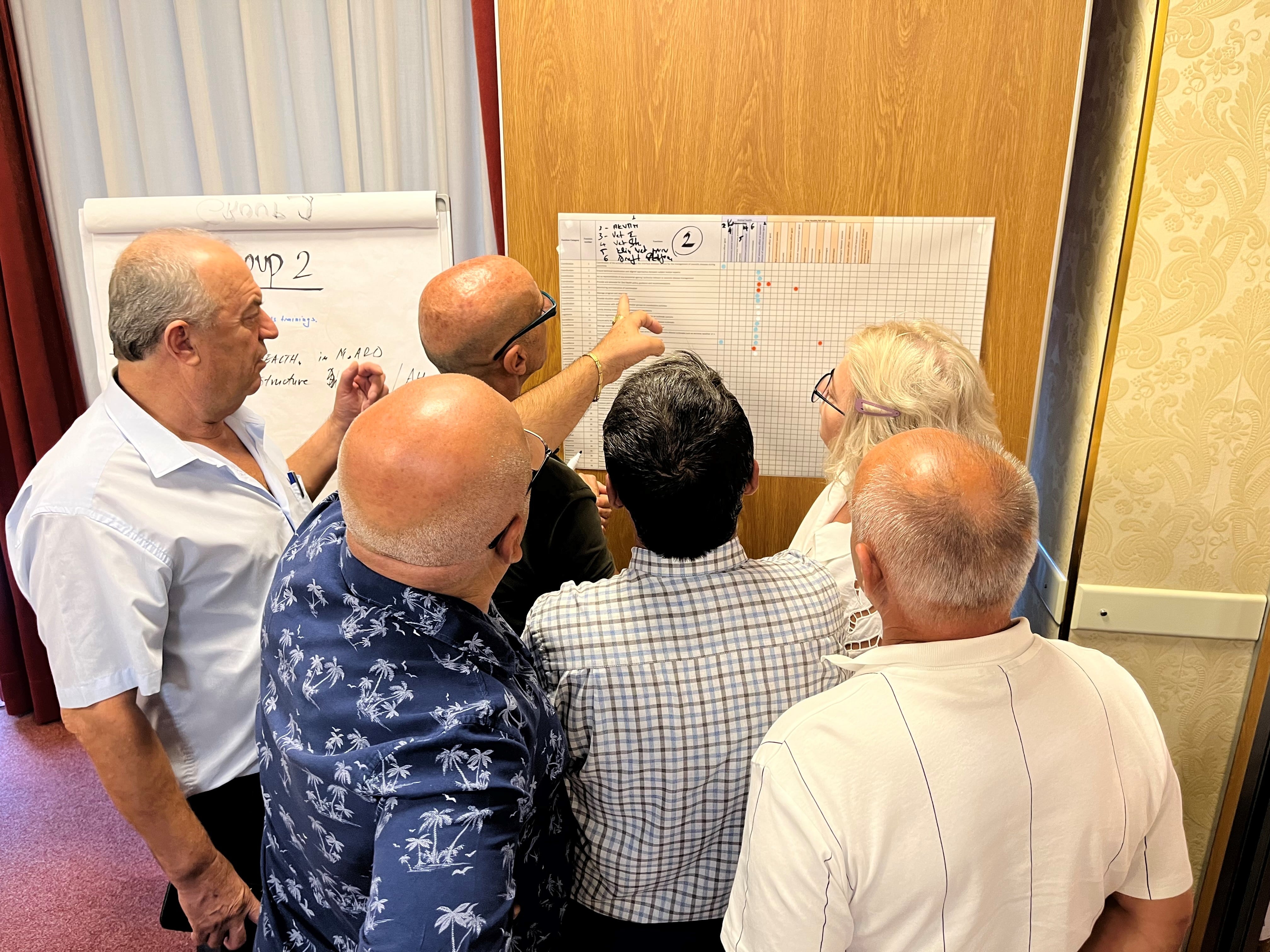
Implementing a multisectoral, One Health approach for monitoring and evaluation (M&E) generates evidence for countries to ensure and enhance the implementation of best practices and principles to address health threats at the human-animal-environment interface. Collaborative and coordinated M&E processes are essential for systematic collection, analysis and use of information and data across sectors. This approach enables a comprehensive assessment of multisectoral activities to inform key One Health decision-makers, ensuring that strategies, plans, and programs are in place and continue to improve.
The TZG’s Monitoring and Evaluation Operational Tool (M&E OT) supports countries in their efforts to establish and strengthen multisectoral, One Health M&E practices for zoonotic disease-related activities and programs. The tool provides a stepwise approach to customize a national M&E framework, develop indicators, and utilize resources to assist the implementation of country-specific coordinated M&E processes.
WFD-OT
The TZG’s Workforce Development Operational Tool (WFD OT) support authorities to review existing forces, plan for and mobilize a multisectoral, One Health workforce able to appropriately cover the critical functions for effective zoonotic disease preparedness and response. The tool provides a stepwise approach exploring these functions, the associated competencies required and their distributions in existing workforce, and also links users to existing training options and tools to strengthen their workforce according to their needs.
SIS OT
The TZG’s Surveillance and Information Sharing Operational Tool (SIS OT) supports authorities to establish or strengthen coordination and connection between surveillance systems and timely, routine data or information sharing between sectors. This coordination is essential for early detection of disease events and integrated zoonotic disease management. SIS-OT proposes a step-by-step guidance enabling the assessment of the surveillance and information sharing capacity already in place and linking users to existing tools and resources to further develop or improve that capacity.
MCM-OT
The TZG’s Multisectoral Coordination Mechanism Operational Tool (MCM OT) support authorities to establish or strengthen their operational One Health platform for coordinating the management of zoonotic diseases and other threats at the human-animal-environment interface. Through a step-by-step guidance, the tool guide users through different components enabling the building of the coordination mechanism. The Operational Tool provides the material to support its use by authorities responsible for management of zoonotic diseases, with references to the principles and best practices described in the Tripartite Zoonosis Guide.
IAR
An Intra Action Review is a qualitative review of actions that are taken to respond to an emergency or a public health event as a means of identifying best practices and areas for improvement to be better prepared for the future. It helps to assess the functionality of national capacities for preparedness and response to health emergencies.
IHR Weekly Update
Published weekly for partner coodination. The update covers acitivities undertaken by WHO member States as part of implementation of the International Health Regulations (2005). Further information on each activity can be found by clicking the links in each box.
GLLP
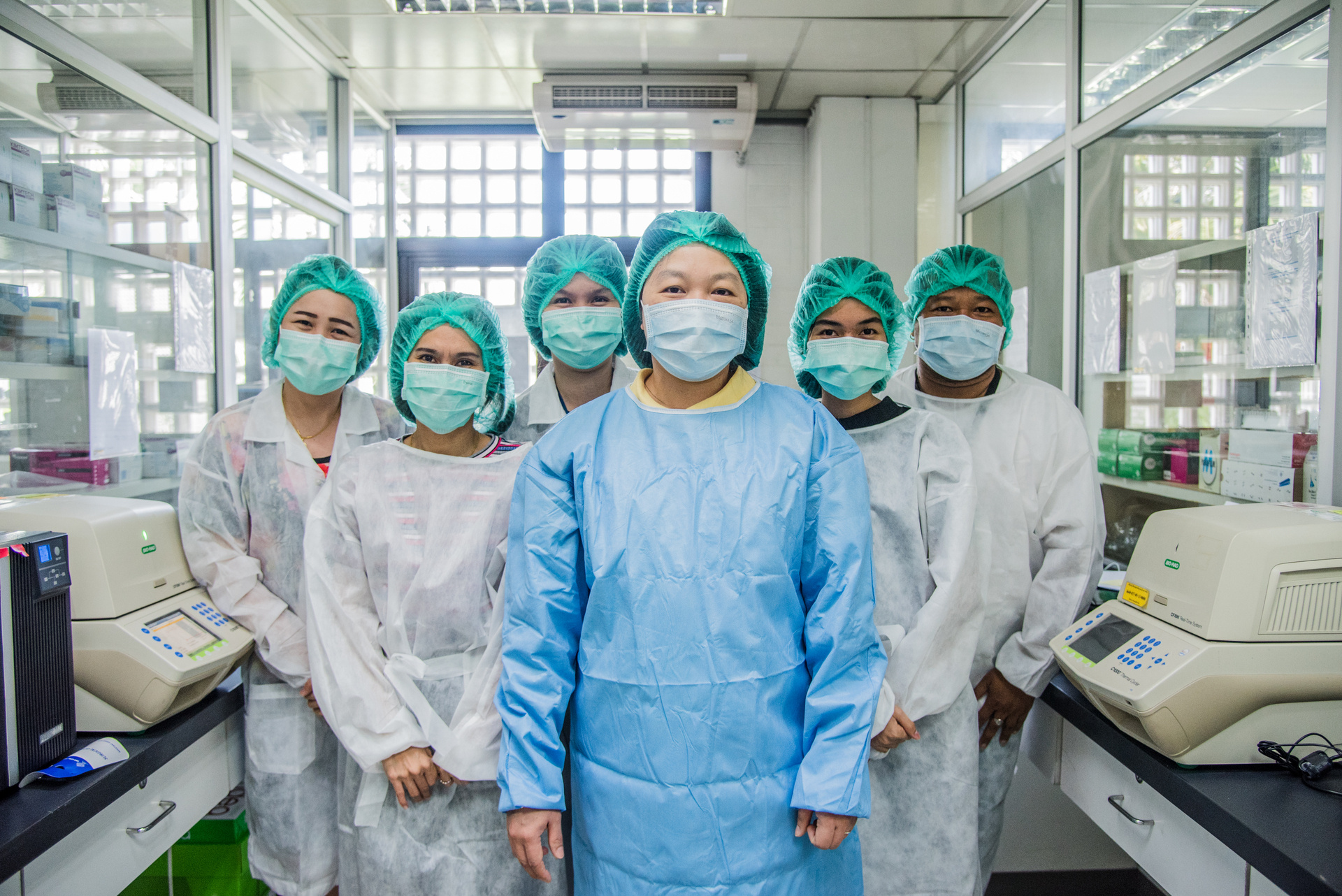
To help ensure that laboratories can effectively play a critical role in the prevention, detection, and control of diseases, current and emerging laboratory leaders worldwide need specialized training in leadership and management.
Leading organizations partnered to develop the Global Laboratory Leadership Programme (GLLP) targeting human and animal health laboratories, as well as laboratories with public health impact (environmental, agricultural, food, or chemical laboratories).
NAPHS
National Action Plan for Health Security (NAPHS) is a country owned, multi-year, planning process that can accelerate the implementation of IHR core capacities, and is based on a One Health for all-hazards, whole-of-government approach. It captures national priorities for health security, brings sectors together, identifies partners and allocates resources for health security capacity development.
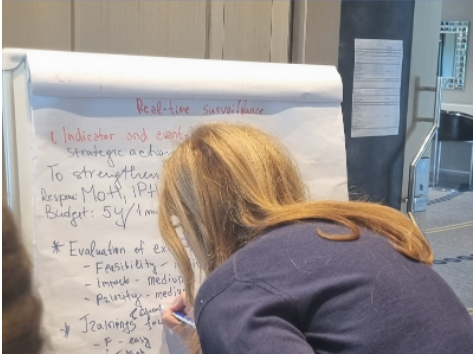
SPAR
Under the International Health Regulations(IHR) 2005 all States Parties are required to have or develop and maintain minimum core public health capacities to implement the IHR (2005), and report the status of implementation annually, as stipulated in Article 54 of the Regulations.
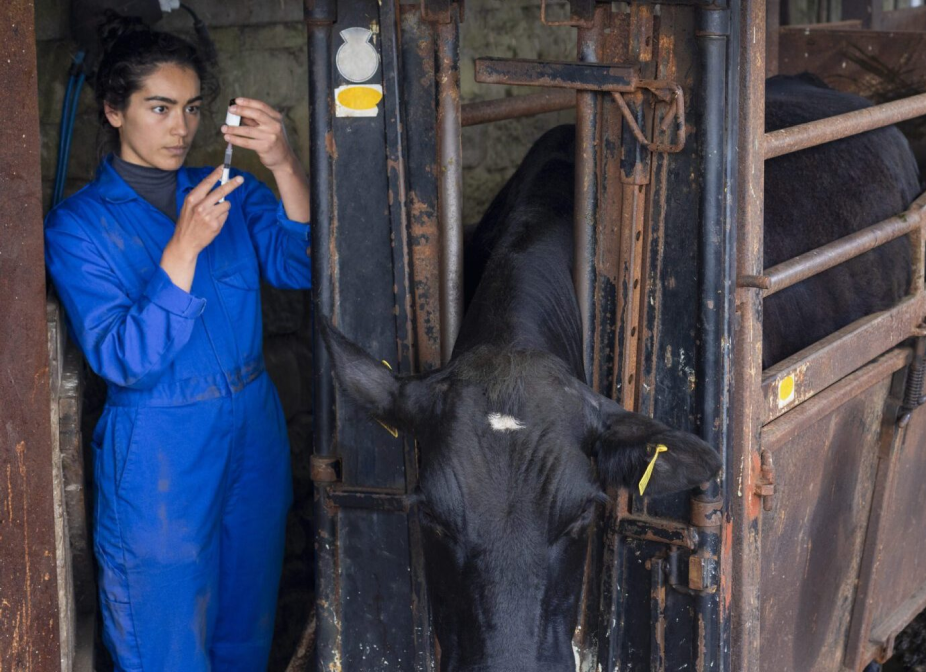
WOAH
JEE
A Joint External Evaluation (JEE) is a voluntary, collaborative, multisectoral process to assess country capacities to prevent, detect and rapidly respond to public health risks whether occurring naturally or due to deliberate or accidental events. On this platform you can find all information related to JEE, including upcoming missions and published reports.
JRA
The Tripartite Zoonoses Guide (TZG)’s Joint Risk Assessment Operational Tool (JRA OT) provides guidance to organise an effective discussion enabling sharing of perspectives and consensual assessment of a given risk arising at the human-animal-environment interface. It describes step-by-step each component of the facilitating process and provides material to support implementation by authorities responsible for the management of zoonotic diseases.
NBW
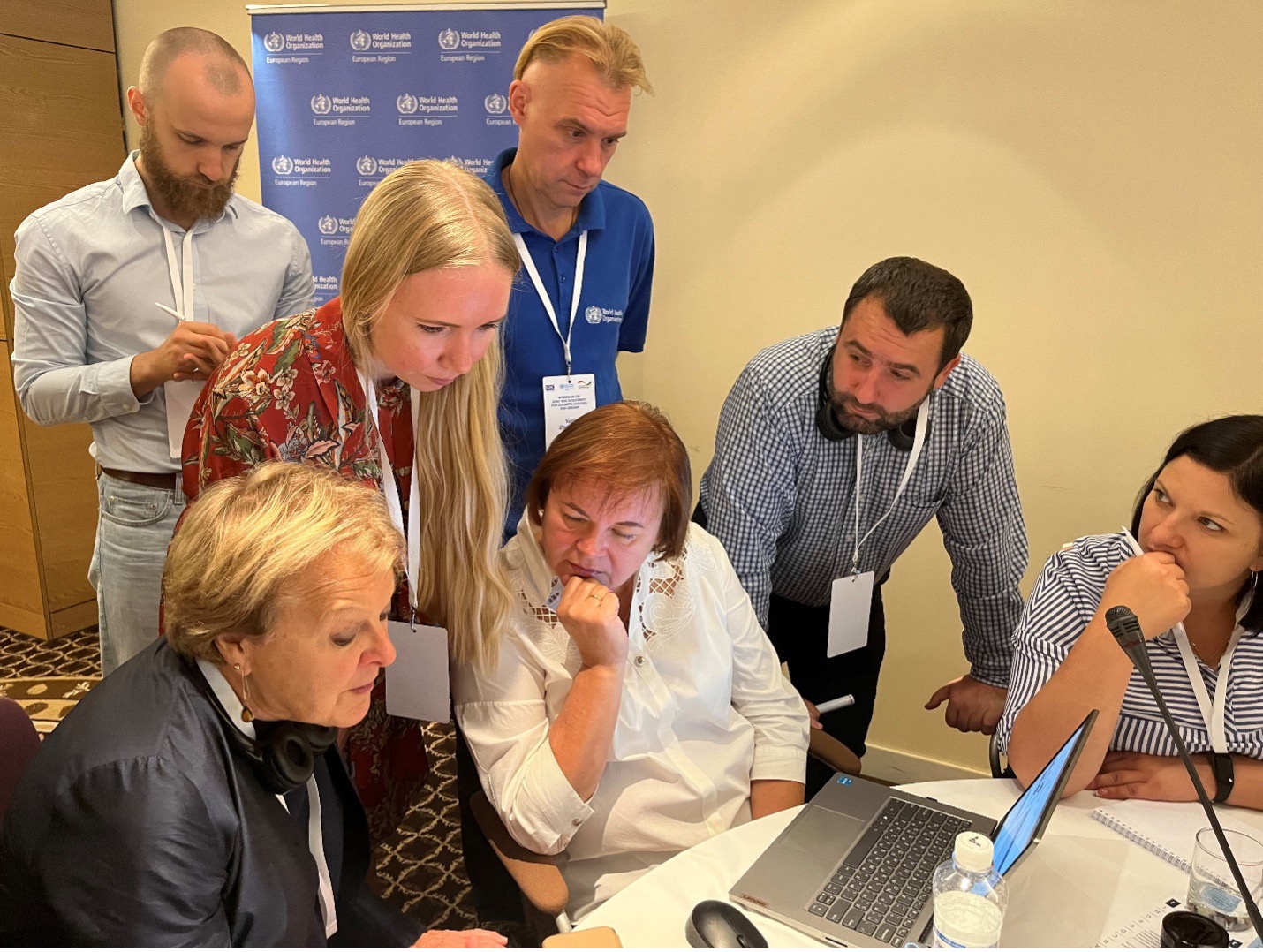
National Bridging Workshops (abbreviated NBW) are three-day events facilitated by WHO, WOAH, and FAO bringing together 50 to 100 participants from public health, animal health and environment services. The objective is to analyse and improve the collaboration between the three sectors in the prevention, detection and response to zoonotic diseases and other health events at the animal-human-environment interface (food safety, food security, antimicrobial resistance).

AAR
An After Action Review is a qualitative review of actions that are taken to respond to an emergency or a public health event as a means of identifying best practices and areas for improvement to be better prepared for the future. It helps to assess the functionality of national capacities for preparedness and response to health emergencies.
SimEx
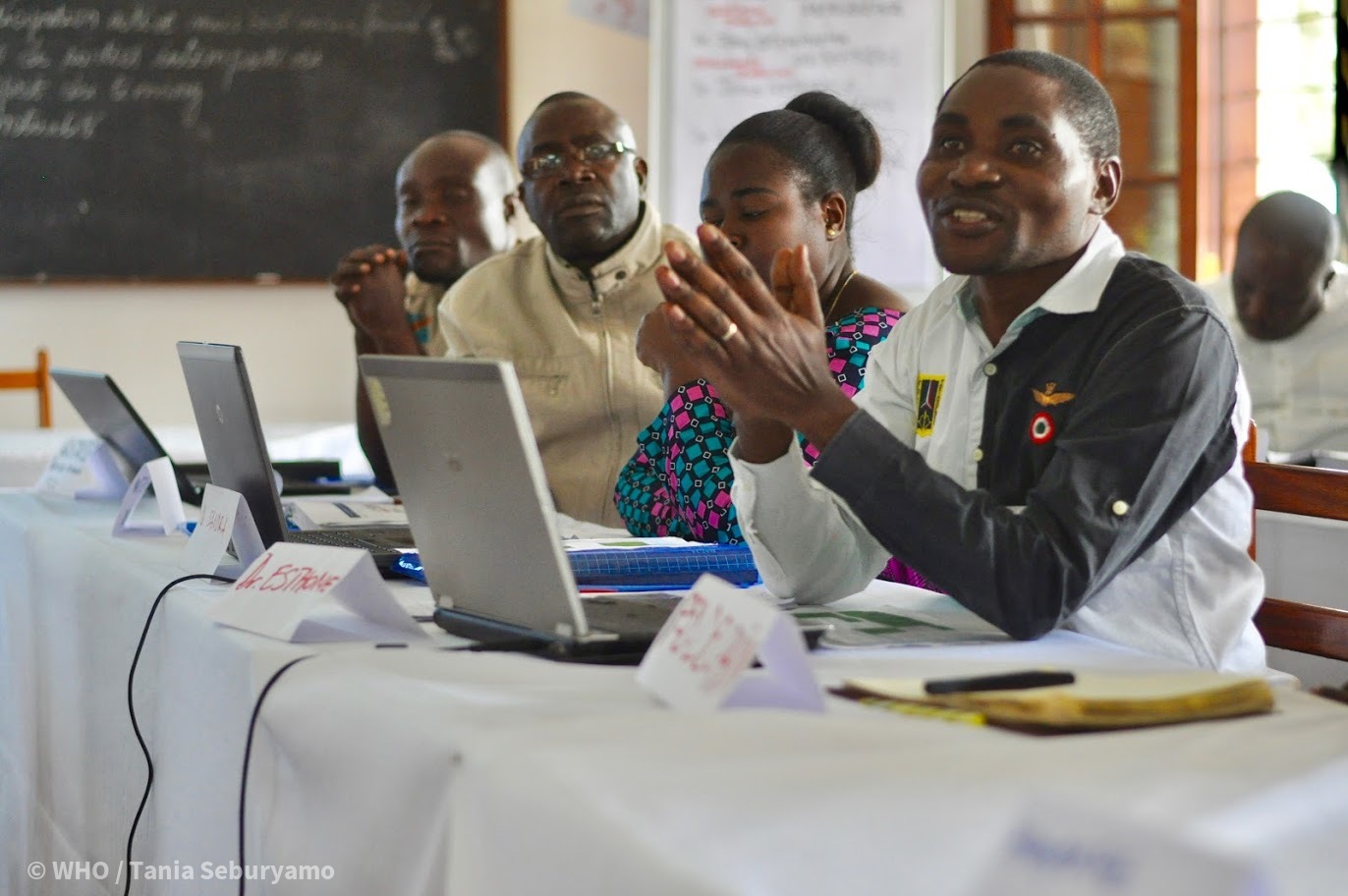
A simulation exercise (SimEx) can help develop, assess and test functional capabilities of emergency systems, procedures and mechanisms to be able to respond to outbreaks or public health emergencies.
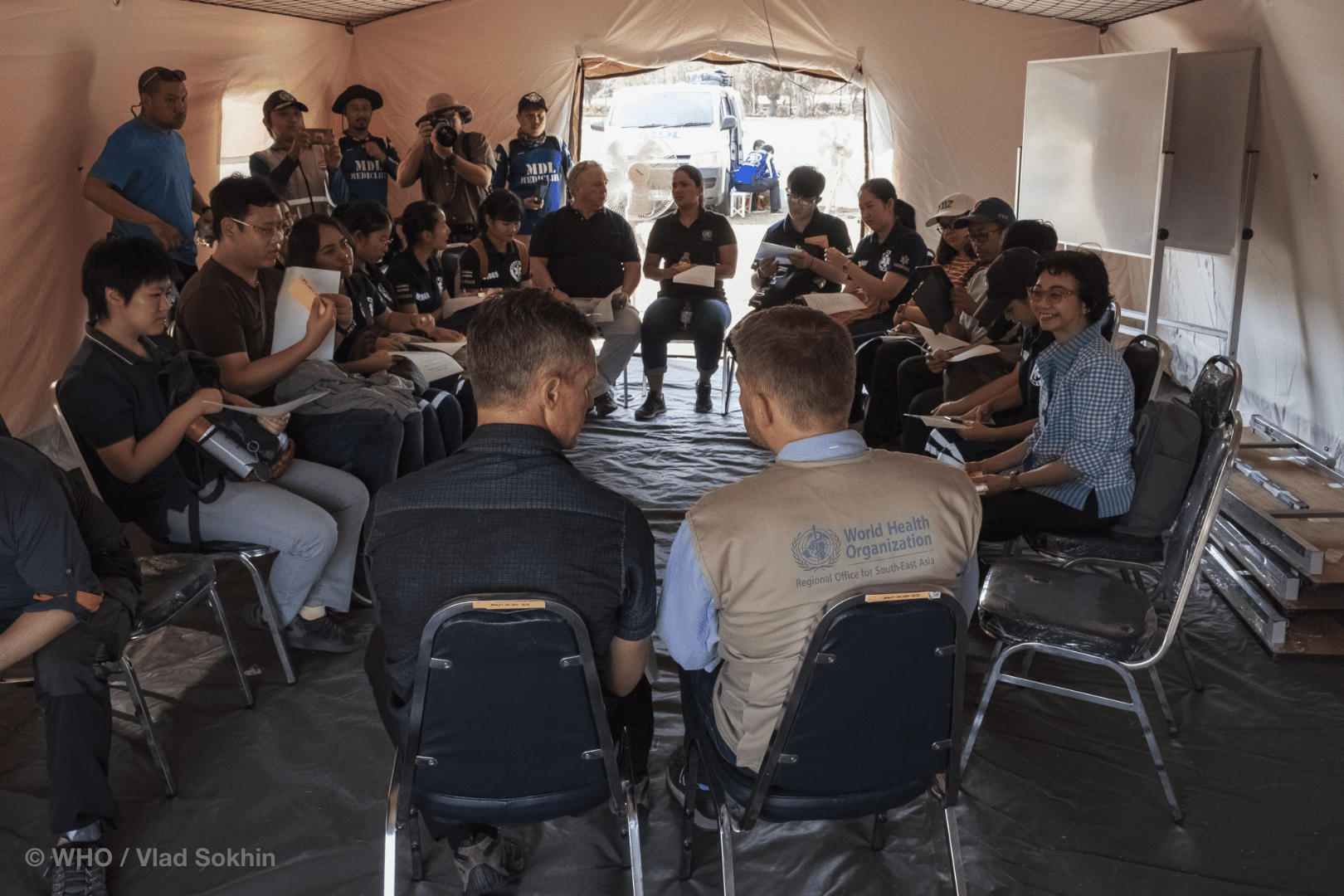
JEE missions are hosted by the country and is comprised of external and independent experts that provide the country with all the necessary information for undergoing a voluntary Joint External Evaluation (JEE) for the implementation of International Health Regulations (IHR) (2005) capacities.
Learn MoreJEE is a collaborative and multisectoral process that is undertaken by the countries on a voluntary basis every 4 to 5 years.
Learn MoreThe countries request a JEE in advance so that the evaluation process and management can be planned.
Learn MoreJEE is a collaborative and multisectoral process that is undertaken by the countries on a voluntary basis every 4 to 5 years.
Learn More