

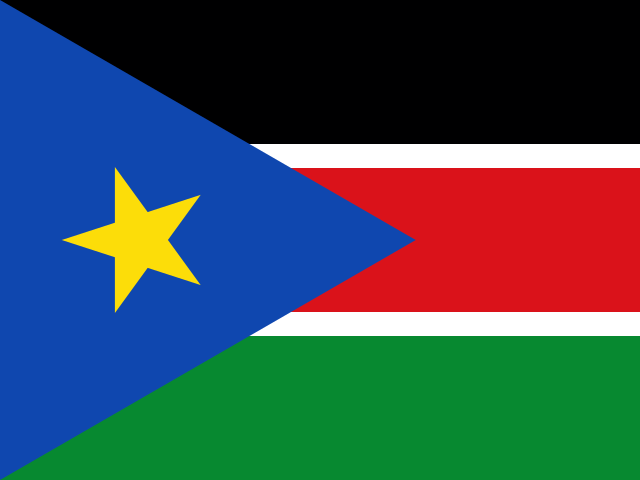
Constitution
The Constitution of South Sudan was adopted in 2011. It is the supreme law of the state. The Constitution sets out the values and principles of organization of the state, establishes the rights, freedoms and obligations of the people, sets up key state institutions and bodies, etc. The Constitution of South Sudan consists of 200 articles that are grouped into fifteen parts, supplemented by 5 schedules.

Constitution
The Namibian Constitution was adopted in 1990 and amended in 1998, 2010 and 2014. The Constitution of Namibia is the supreme law of the country, it establishes state principles, defines the separation of powers in the state, defines rights and freedoms, etc. It consists of 148 articles that are grouped into 21 Chapters that are supplemented by 8 schedules.