|
Welcome to your quarterly Age-friendly World newsletter! |
| |
|
In our last newsletter, we asked you to save the date for the 3rd World Congress of Age-friendly Cities and Communities in Donostia/San Sebastián. Now we are back with the details: free registration is open, the draft programme is published, and abstracts are being accepted until 9 March. This newsletter edition gives you everything you need to take part and to help spread the word.
The world the age-friendly movement was built for is changing fast – populations are ageing at unprecedented rates, communities face new pressures from climate events and widening digital divides, and the need for connection across generations has never been more concrete. The Global Network has grown to more than 1,700 members across over 60 countries since its last global gathering in Quebec in 2013. That growth reflects real action, but it also means the movement must evolve to meet new realities. The Congress is where we do that together.
Alongside the Congress, we spotlight Vancouver – a pioneering age-friendly city whose experience reflects the kind of leadership that will be on show in June – and highlight a radio programme from Wales that brings the Congress’s focus on social connection to life. We also share two Secretariat opportunities: the Ageing is Living Leadership Course, with applications closing on 16 February, and a new monthly dialogue series building toward the Congress.
If you want to engage, influence and be part of what’s next for the global age-friendly movement, San Sebastián is the place to be. We hope to see you all there!
Global Network for Age-friendly Cities and Communities – Secretariat
World Health Organization |
| |
|
3rd World Congress of Age-friendly Cities and Communities |
| |
|
16–18 June 2026 | Donostia/San Sebastián, Spain |
| |
|
Theme: “Transforming Together! An Age-Friendly World – Connected, Equitable and Sustainable for All Generations”
The Congress brings the global age-friendly community to the Basque Country for three days of plenaries, breakout sessions across all eight WHO age-friendly domains, and conversations on intergenerational connection, digital inclusion, caring communities, and climate resilience. Highlights include a Mayors’ Summit on Age-friendly Leadership, the launch of a global age-friendly research network, an Age-friendly Awards Ceremony, and a social evening at the San Telmo Museum.
The Pre-Congress Day on 15 June is worth arriving early for – parallel sessions cover leadership, integrated care, human rights, and the future of age-friendly research. |
| |
|
Register now and submit your abstracts – free of charge |
| |
|
Registration is free – and lunches and coffee breaks during the Congress are funded by the organisers and sponsors. Confirmation of attendance will be communicated in March.
You can also contribute to the programme by proposing a poster, workshop, presentation, roundtable, or exhibition stand in the Global Village. The call for abstracts closes on 9 March 2026. |
| |
|
Book your accommodation early |
| |
|
The Congress organisers advise that hotel demand in Donostia/San Sebastián during the Congress dates is very high and recommend booking as early as possible. The city is served by three airports: San Sebastián (EAS, 20 km), Biarritz (BIQ, 40–50 km, with good international connections), and Bilbao (BIO, the largest, about 100 km away). Congress attendees can use the city’s Dbus municipal buses free of charge with their conference accreditation. |
| |
|
Share news of the Congress with your organisation’s social media followers, include it in your next email newsletter, and forward this edition to colleagues who might attend. The Congress organisers have prepared a digital communications toolkit with social media templates, sample posts, and visual assets you can adapt, translate, and make your own. |
| |
|
Member in Focus: Vancouver, Canada |
| |
|
This edition’s Member in Focus is Vancouver, Canada – one of the first cities worldwide to receive the WHO age-friendly designation.
Vancouver takes a life-course approach rooted in equity, diversity, and inclusion, working with older residents, communities, and local organisations to co-create policies that strengthen social connection and participation. Initiatives such as accessible transportation planning and the Seniors Housing Strategy reflect the city’s commitment to enabling older people to thrive. Vancouver’s approach offers a practical model for cities building equitable, age-friendly communities.
As one of the Network’s longest-standing members, Vancouver is the kind of city whose experience the Congress was designed to bring together. Hear from pioneering cities like Vancouver in Donostia/San Sebastián this June. |
| |
|
Age-friendly Practice in Focus: Vale 50+ Strategy Forum, Wales |
| |
|
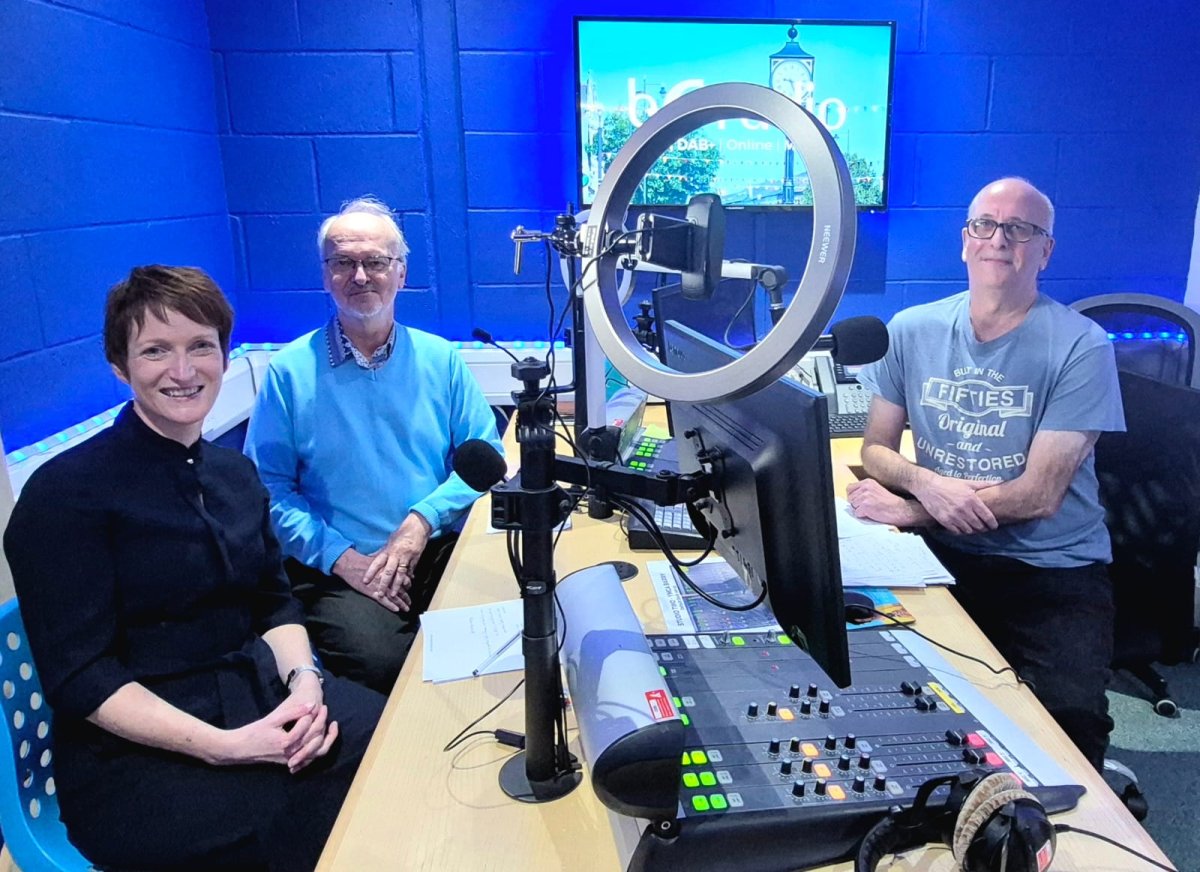
The Vale 50+ Strategy Forum has created Wales’ first and only radio show designed by and for older people, broadcast monthly on Bro Radio. The programme gives older residents a platform to share experiences, highlight community events, and engage local leaders, including the Older People’s Commissioner for Wales.
What began as a 12-month pilot has grown into an ongoing initiative reaching thousands across the Vale of Glamorgan. Forum members have taken full ownership, completing production training and shaping each episode. The show strengthens social connection, supports those who are housebound or offline, and amplifies older people’s voices.
Initiatives like this speak directly to the Congress’s focus on social connection – one of the themes running through the “Connecting Generations, Technology and Care” track in June. Have a practice to share? The Congress Global Village offers exhibition stands for age-friendly initiatives. |
| |
|
Updates from the Network Secretariat |
| |
|
Now open: Ageing is Living Leadership Course 2026 |
| |
|
Applications are open for the Ageing is Living Leadership Course (2026 edition), a WHO/Europe programme for mid- and senior-level leaders working on healthy ageing. The course covers policy influence, systems thinking, multisectoral approaches, and challenging ageism, and aligns with the upcoming WHO European Strategy on Ageing is Living (2026–2030). It takes place in Bilbao, Spain, and is free of charge (participants cover travel and accommodation). Places are limited to 40.
Application deadline: 16 February 2026. |
| |
|
Age-friendly Conversations: a new monthly virtual series |
| |
|
Starting 26 March, the Secretariat is launching a monthly online forum to connect the Network in the lead-up to the World Congress. Each session will focus on a specific theme shaping the future of the age-friendly framework and will feature contributions from Network members, researchers, and practitioners. If you or your organisation would like to lead or speak at a session, the Secretariat welcomes expressions of interest. |
| |
|
Age-friendly World is a World Health Organization website dedicated to promoting age-friendliness around the world. The World Health Organization Global Network for Age-friendly Cities and Communities (GNAFCC) is a global coalition of cities and communities committed to becoming more age-friendly.
Submit your news on Age-friendly World or get in touch with us at gnafcc@who.int. |
| |
|